
Canada
Squatters' Rights in Alberta: The December 2022 Abolition of Adverse Possession
Independently fact-checked against primary sources (last audited August 16, 2026). · 6 primary sources cited on this page. How we verify our legal content
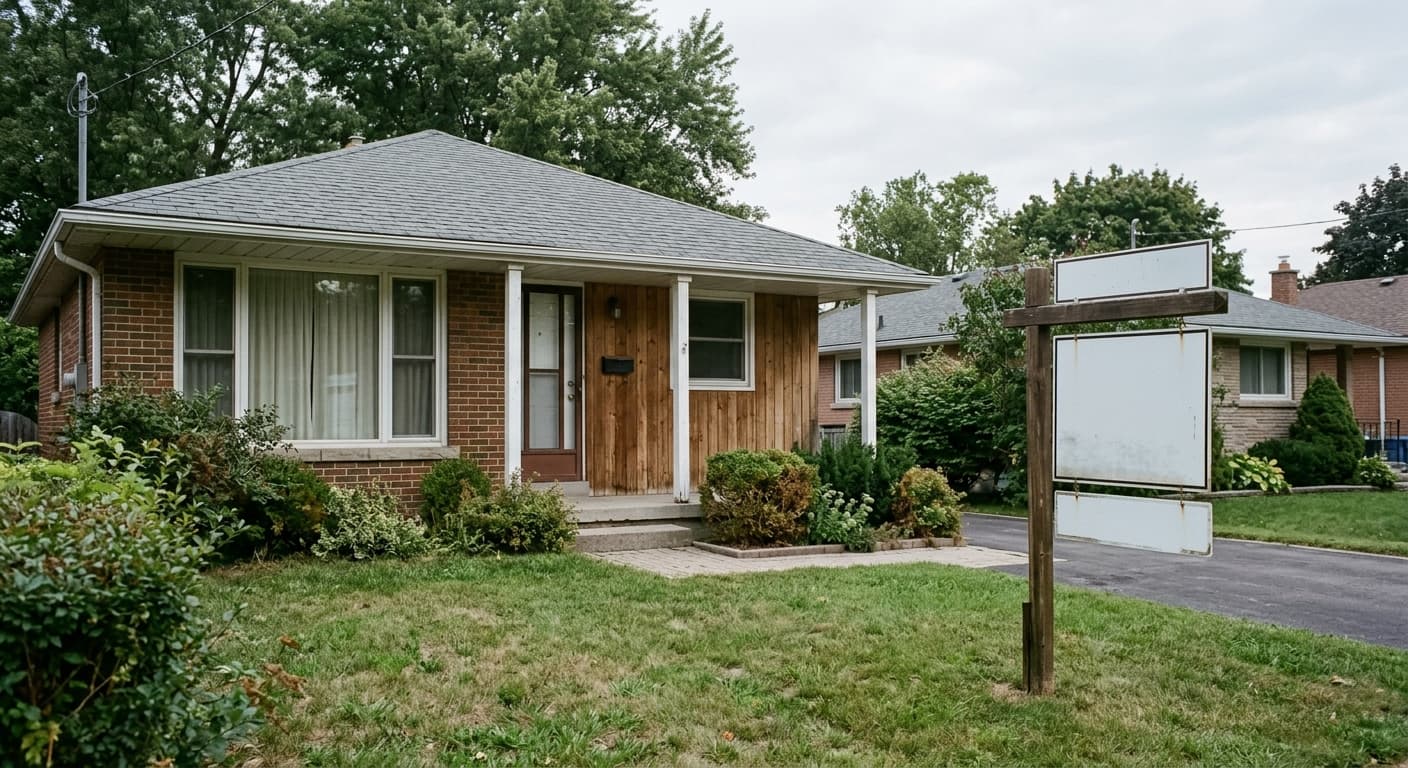
Alberta abolished adverse possession only recently, effective December 15, 2022, when the Property Rights Statutes Amendment Act, 2022 added a flat bar to the Law of Property Act and the Limitations Act, ending what had genuinely been a live 10-year route, with a grandfather clause only for claims already filed in court.
Information last verified on 2026-08-15. This article has not yet been reviewed by a licensed lawyer.
Alberta's Abolition Is Recent, and That Recency Is the Point
For decades, Alberta stood apart from British Columbia, Saskatchewan, and Manitoba, its fellow Torrens-system provinces. Those provinces had already closed off adverse possession against registered land. Alberta had not. A real 10-year limitation route existed: if an owner did not bring a recovery action within 10 years of someone else's adverse possession, the owner's action became time-barred, and the possessor could move to perfect title under the former Law of Property Act section 69 and quiet-title practice.
That changed with the Property Rights Statutes Amendment Act, 2022 (SA 2022, c. 23), which added a new section 69.1 to the Law of Property Act and a new section 3.2 to the Limitations Act. Section 69.1(2) now states that, except as the section itself provides, no right or title in land may be acquired by adverse possession. The current King's Printer consolidations of both amended Acts first carry this new text as being current as of December 15, 2022, which is the strongest available confirmation of the in-force date. This article did not independently locate a separate Alberta Gazette or Order in Council proclamation naming that date, so treat December 15, 2022 as well-corroborated but indirectly sourced.
What the Old 10-Year Rule Used to Allow, and Why It No Longer Does
If you have heard that occupying someone else's Alberta land for 10 years could eventually give you a claim to it, that was true, but it described the law before December 15, 2022, not the law today. Limitations Act section 3.2(1) now says plainly that there is no limitation period for a claim to recover possession of real property, and that a defendant no longer has a defence based on adverse possession at all. Section 69.1(3) adds a retroactive-sounding twist: no implied licence to use land, and no such right, is deemed to have ever been acquired by use or adverse possession going forward. For any possession that begins today, however long it continues, there is no route to ownership through it.
The Pending-Litigation Grandfather Clause
The 2022 reform did not cut off cases already underway. Law of Property Act section 69.1(5) and Limitations Act section 3.2(2) both preserve an action for a remedial order, or for recovery of possession, that was already commenced and not concluded before the Act came into force. That action continues under the old rules, including the 10-year limitation period, as if the new sections were not in force. What is not confirmed by any case law reviewed for this article is exactly what counts as commenced for a claim that was only being informally asserted, rather than filed in court, before the cutoff. The safer reading is that only a claim actually filed in court before December 15, 2022 gets the benefit of the old rule; anything not yet filed by that date is governed by the current abolition.

Prescriptive Easements Are Also Barred
The same section that abolished adverse possession, Law of Property Act section 69.1(4), also bars acquiring an easement, right in gross, or profit a prendre by prescription, and states that no such right is deemed to have ever been acquired that way. Long-term unauthorized use of a neighbour's land in Alberta, such as a shared driveway, does not create an enforceable right through years of use.
What Happens If Someone Occupies Your Land Now
Unauthorized occupation in Alberta is dealt with as trespass, under the Trespass to Premises Act, not through anything resembling a squatter's claim. Entering or remaining on premises after notice not to trespass, whether that notice is oral, written, or posted signage, is prohibited, and a person who gained entry by false pretences is deemed to have trespassed. The penalties are real: up to a $10,000 fine and 6 months in jail for a first individual offence, up to $25,000 for a repeat offence on the same premises, and up to $200,000 for a corporation. Notably, Alberta lets the property owner or an authorized representative personally arrest a trespasser without a warrant, not only a peace officer, though the person arrested must be handed over to police as soon as practicable. A genuine dispute over who actually owns the property is carved out of this Act's summary process entirely and has to go through ordinary civil litigation, and a person with a fair and reasonable supposition of a right to be there has a full defence.
Squatter or Tenant? The Line That Decides the Process
The Residential Tenancies Act defines a residential tenancy agreement as a written, oral, or implied agreement to rent residential premises. As in other provinces, a landlord's own conduct, such as knowingly accepting an occupant's continued presence in a landlord-tenant-shaped situation, can create an implied tenancy. An occupant covered by that Act can then only be removed through its own process, not through trespass enforcement. A true squatter, with no relationship of any kind to an owner, falls outside the Act and is handled through the Trespass to Premises Act or the civil courts instead. See Alberta tenant rights and eviction notices in Canada for the tenancy-side process.
How an Owner Actually Removes a Squatter
Alberta's trespass process is the ordinary path for a true squatter, but an owner still cannot lawfully force someone out. Forcibly entering property in a way likely to cause a breach of the peace or a reasonable apprehension of one, or detaining it without a legal right in that same way, is itself a federal Criminal Code offence, regardless of who actually owns the property. That applies in Alberta the same way it applies nationwide. For the full national removal process, see squatters rights in Canada.

Public Land Is a Separate, Stronger Regime
Occupying Alberta public land without authorization is not just unproductive, it actively costs the occupier more than the private-land regime does. Public Lands Act section 47(1) deems an unauthorized occupier a trespasser and states that any improvements the person built become the property of the Crown outright, not merely unrecoverable. Section 47(2) goes on to terminate any other person's interest in those improvements as well. There is no separate adverse possession question to ask here; occupying public land without authorization simply forfeits what was built on it.
Boundary Encroachments Still Have a Court Remedy
Alberta preserves its own version of the encroachment remedy other provinces use for genuine survey or building mistakes. Law of Property Act section 69, now the surviving companion to the abolition in section 69.1, lets a court order an encroaching improvement removed, grant an easement, order the encroaching owner to acquire the land for compensation, or order the registered owner to compensate the improver, for both lasting improvements built by mistake and building encroachments specifically. Alberta's version is notably more lenient on proof than some other provinces: the court does not need proof of the improver's actual belief of ownership if the court considers a remedy just under the circumstances. This is a discretionary, compensated court process for an honest mistake, not general adverse possession by another name. See adverse possession and squatters rights in Canada and property lines and fences in Canada for the doctrine across provinces.
An Open Question on the Land Titles Act
Some secondary summaries describe the 2022 reform as having also amended the Land Titles Act itself. A full-text search of the current consolidated Land Titles Act found no reference to adverse possession, prescription, or possessory claims anywhere in it, so this article cites only the confirmed sections, Law of Property Act section 69.1 and Limitations Act section 3.2, for the abolition itself. Any Land Titles Act change may be a procedural, quiet-title-application amendment rather than a substantive rule, but that was not confirmed in the text reviewed.
A Much Older, Already-Settled Version in British Columbia
Alberta's abolition is fresh enough to still be news to many property owners. That is not the case everywhere. British Columbia closed off adverse possession decades ago, with a hard cutoff of July 1, 1975. See squatters rights in British Columbia for how a long-settled version of the same rule looks.

Disclaimer
This article is informational only and is not legal advice. A few points here are genuinely unresolved by primary sources located during research: the exact December 15, 2022 in-force date is corroborated by two King's Printer statute consolidations rather than a separately located Gazette or Order in Council proclamation; what precisely counts as an action commenced for the pending-litigation grandfather clause was not confirmed by any case law reviewed; and whether the Land Titles Act itself was substantively amended by the 2022 reform, as some secondary sources claim, was not confirmed in the current consolidated text. If you are dealing with a possible squatter, a boundary encroachment, or an ongoing possession claim that predates December 15, 2022, speak with a licensed lawyer promptly.
Frequently Asked Questions
Did Alberta really allow squatting to lead to ownership until recently?
Yes. Alberta had a genuine 10-year adverse possession route under the former Law of Property Act section 69, unlike British Columbia and Saskatchewan, which had already abolished it decades earlier. That route ended effective December 15, 2022.
What changed on December 15, 2022?
The Property Rights Statutes Amendment Act, 2022 added Law of Property Act section 69.1 and Limitations Act section 3.2, both stating that no right or title in land may be acquired by adverse possession, and that a defendant no longer has an adverse possession defence to a recovery action.
I started a court case before December 2022 based on the old 10-year rule. Does the new law cancel it?
No. Both amended Acts include a grandfather clause for an action already commenced and not concluded before the Act came into force; that action continues under the old rules, including the 10-year limitation period. A claim that was not yet filed in court by that date is governed by the current abolition instead.
Can I personally arrest someone trespassing on my Alberta property?
Yes. The Trespass to Premises Act lets the owner or an authorized representative arrest a trespasser without a warrant, not only a peace officer, but the person must be handed over to police as soon as practicable afterward.
What are the penalties for trespassing in Alberta?
Up to a $10,000 fine and 6 months in jail for a first individual offence, up to $25,000 for a repeat offence on the same premises, and up to $200,000 for a corporation, under the Trespass to Premises Act.
What if the person occupying my property claims to be a tenant?
Whether they are depends on whether a written, oral, or implied tenancy agreement exists under the Residential Tenancies Act. If it does, they can only be removed through that Act's process, not through trespass enforcement.
What happens to improvements someone builds while occupying Alberta public land without authorization?
Under the Public Lands Act, the occupier is deemed a trespasser and any improvements they built become the property of the Crown outright, and any other person's interest in those improvements is terminated too.
Can someone gain a right of way across my Alberta land by using it for years?
No. The same section that abolished adverse possession, Law of Property Act section 69.1(4), also bars acquiring an easement or right of way by prescription, and states no such right is deemed to have ever been acquired that way.
Updates
Independently fact-checked against the cited primary sources
Sources and References
- Law of Property Act, RSA 2000, c. L-7(qp.alberta.ca).gov
- Limitations Act, RSA 2000, c. L-12(qp.alberta.ca).gov
- Trespass to Premises Act, RSA 2000, c. T-7(qp.alberta.ca).gov
- Public Lands Act, RSA 2000, c. P-40(qp.alberta.ca).gov
- Residential Tenancies Act, SA 2004, c. R-17.1(qp.alberta.ca).gov
- Criminal Code, RSC 1985, c. C-46, section 72 (forcible entry and forcible detainer)(laws-lois.justice.gc.ca).gov