
New Hampshire
New Hampshire Lemon Law (2026): How to Qualify & Get a Refund
Independently fact-checked against primary sources (last audited August 17, 2026). · Reviewed by the RecordingLaw editorial team. · Law checked current as of August 17, 2026. · 15 primary sources cited on this page. How we verify our legal content

New Hampshire's lemon law (RSA 357-D) protects buyers and lessees of new passenger vehicles and light trucks weighing up to 11,000 pounds, as well as motorcycles, OHRVs, and snowmobiles, which the law covers as separate categories with no weight limit. A vehicle qualifies when the same defect persists after three repair attempts or the vehicle is out of service for 30 or more business days during the warranty term. The consumer chooses between a full refund or a replacement vehicle.
Overview of New Hampshire's Lemon Law
New Hampshire's lemon law, formally known as the New Motor Vehicle Arbitration Act (RSA 357-D), protects consumers who purchase or lease new motor vehicles that turn out to have persistent defects. The law provides an efficient, informal process for resolving warranty disputes between consumers and manufacturers.
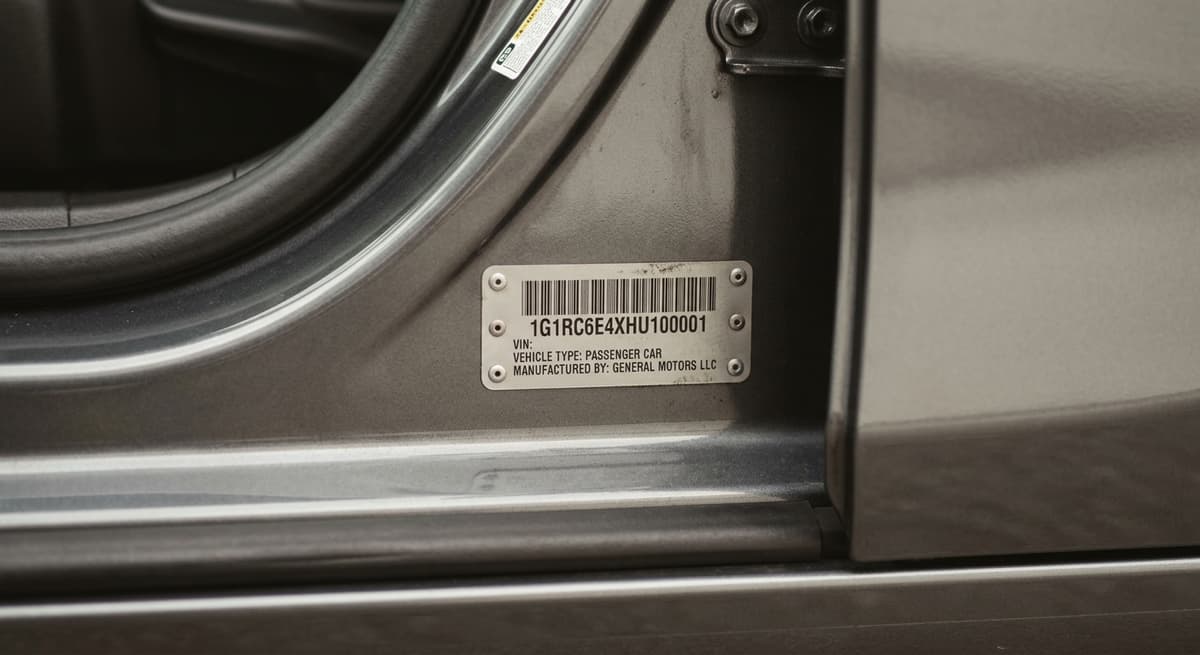
Under this law, if a manufacturer or its authorized dealers cannot repair a substantial defect after a reasonable number of attempts, the consumer may be entitled to a replacement vehicle or a full refund. The New Hampshire Motor Vehicle Arbitration Board, administratively attached to the Division of Motor Vehicles, oversees claims and conducts hearings.
This guide covers every major provision of RSA 357-D, including which vehicles qualify, how the lemon law presumption works, what remedies are available, and how to file a claim with the Arbitration Board.
What Vehicles Are Covered
New Hampshire's lemon law covers a broad range of new motor vehicles. Under RSA 357-D:2, "motor vehicle" includes any vehicle with a gross weight not exceeding 11,000 pounds that is purchased or leased by a consumer.
Covered Vehicle Types
- Passenger vehicles: Private passenger and station wagon type vehicles
- Light trucks: Four-wheel motor vehicles with gross weight not exceeding 11,000 pounds (except tractors and mopeds)
- Motorcycles: Street-legal motorcycles purchased with manufacturer warranties
- Off-highway recreational vehicles (OHRVs): As defined in RSA 215-A:1, VI
- Snowmobiles: As defined in RSA 215-C:1, XV and RSA 357-C:1, XXVI
Vehicles Not Covered
- Tractors and agricultural equipment
- Mopeds
- Vehicles with gross weight exceeding 11,000 pounds
- Vehicles purchased by governmental entities
- Vehicles purchased for purposes of resale
- Vehicles purchased for the purpose of subleasing (for lessees)
Who Qualifies as a Consumer
Under RSA 357-D:2, III, a "consumer" means:
- The purchaser (other than for resale) of a new motor vehicle
- The lessee of a new motor vehicle (other than for sublease)
- Any person to whom the motor vehicle is transferred during the warranty period
- Any other person entitled by the warranty terms to enforce warranty obligations
Governmental entities are specifically excluded from the definition of consumer. Leases must be for a term of two or more years to qualify under the lemon law.
The Lemon Law Presumption
Under RSA 357-D:3, VII, New Hampshire law creates a rebuttable presumption that a reasonable number of repair attempts have been made when certain conditions are met during the express warranty term.
When the Presumption Applies
| Condition | Requirement | Details |
|---|---|---|
| Repair Attempts (Same Problem) | 3 or more attempts | Same nonconformity identified in written repair orders; must substantially impair use, market value, or safety |
| Days Out of Service | 30 or more business days | Cumulative total during the warranty term for repair of one or more nonconformities |
| Same Agent Requirement | Repairs by the same dealer | Presumption generally applies only to attempts by the same authorized dealer, unless consumer shows good cause for using a different dealer |
Documentation Requirements
Under RSA 357-D:3, VIII, each repair attempt must be documented with a written examination or repair order. Without proper written records, the presumption does not apply. Consumers should always request and keep copies of every repair order, invoice, and service record.
Extension of Warranty and Out-of-Service Periods
The warranty term and the 30-day out-of-service period are extended by any time during which repair services were not available to the consumer because of:
- War or invasion
- Strike
- Fire, flood, or other natural disaster
If such an extension applies, the manufacturer must provide free use of a vehicle to the consumer whose vehicle is out of service. A vehicle is not considered "out of service" if it is available to the consumer for a major part of the day.
Written Notice Requirements
New Hampshire's lemon law has specific notice requirements that consumers must follow before seeking relief. Under RSA 357-D:4, after the third repair attempt or after 30 business days out of service, the consumer must notify the manufacturer and lessor (if applicable) in writing.
What the Notice Must Include
The written notice must:
- Be on forms provided by the manufacturer
- Identify the nonconformity, defect, or condition
- State the consumer's election to proceed under the lemon law
- Indicate whether the consumer chooses to use the manufacturer's dispute settlement mechanism or the NH Motor Vehicle Arbitration Board
Manufacturer Disclosure Obligations
Under RSA 357-D:9, manufacturers must provide:
- Forms for consumer notification along with clear and conspicuous disclosure of consumer rights at the time of vehicle delivery
- Self-addressed notice forms sufficient to notify the manufacturer
- Clear and conspicuous notice informing consumers of their rights under the lemon law
These disclosure requirements cannot be delegated to dealers. The forms and notices must follow rules adopted by the Department of Justice and cannot include window stickers.
Choosing Your Path: Arbitration Board vs. Manufacturer Program
The consumer must elect whether to proceed before the NH Motor Vehicle Arbitration Board or through the manufacturer's dispute settlement mechanism. This choice is binding. Selecting one method prevents you from using the other if you are dissatisfied with the outcome.
Consumer Remedies: Refund vs. Replacement
When a vehicle qualifies as a lemon under New Hampshire law, the consumer has the right to choose between two remedies under RSA 357-D:3, V.

Option 1: Replacement Vehicle
The manufacturer must replace the motor vehicle with a new motor vehicle from the same manufacturer, if available, of comparable worth to the same make and model with all options and accessories. Appropriate adjustments are allowed for model year differences.
Option 2: Vehicle Buyback (Full Refund)
The manufacturer must accept return of the vehicle and provide a refund that includes:
- Full purchase price as indicated in the purchase contract
- Credits and allowances for any trade-in or down payment
- License and registration fees paid by the consumer
- Finance charges and similar credit charges
- Incidental and consequential damages as applicable
Usage Deduction Formula
A reasonable allowance for use may be deducted from the refund. This amount covers use by the consumer before the first repair attempt and is calculated using the following formula:
| Vehicle Type | Formula Denominator |
|---|---|
| Passenger vehicles and light trucks | 100,000 miles |
| Motorcycles/Snowmobiles/OHRVs (250cc or smaller) | 20,000 miles |
| Motorcycles/Snowmobiles/OHRVs (over 250cc) | 40,000 miles |
Formula: Usage Deduction = (Full Purchase Price x Miles Before First Repair Attempt) / Denominator
For example, if a consumer paid $35,000 for a passenger vehicle and drove 3,000 miles before the first repair attempt, the usage deduction would be ($35,000 x 3,000) / 100,000 = $1,050.
Payment Timeline
Under RSA 357-D:4, VI, the manufacturer must provide the refund or make the replacement within 30 days of a Board decision, or within 15 days of final adjudication in court.
Leased Vehicle Provisions
New Hampshire's lemon law includes detailed provisions for leased vehicles under RSA 357-D:3, IX. The lease must be for a term of two or more years to qualify.
Refund to the Lessee
The manufacturer must provide the lessee with:
- The aggregate deposit and rental payments previously paid to the motor vehicle lessor
- Incidental and consequential damages, if applicable
- Minus a reasonable allowance for use (calculated using the same formula as for purchased vehicles, but based on aggregate deposits and rental payments)
Refund to the Lessor
The manufacturer must provide the motor vehicle lessor with:
- The lessor's actual purchase cost, less payments made by the lessee
- Freight costs, if applicable
- Dealer or manufacturer-installed accessories costs, if applicable
- Any fee paid to another party to obtain the lease
- An amount equal to 5% of the lessor's actual purchase cost (in lieu of early termination costs)
Lease Termination
The lessee's lease agreement is terminated upon a Board decision in the lessee's favor. The lessee is not liable for any further costs or charges to the manufacturer or motor vehicle lessor under the lease agreement.
How to File a Lemon Law Claim
Filing a lemon law claim in New Hampshire involves several steps. Following this process carefully helps ensure your claim proceeds smoothly.
Step 1: Document Every Repair Attempt
Keep copies of all repair orders, invoices, and service records. Each repair attempt must be documented in writing. Note the date you dropped off the vehicle and the date you picked it up to track out-of-service days.
Step 2: Send Written Notice to the Manufacturer
After meeting the lemon law threshold (three repair attempts or 30 business days out of service), send written notice using the forms the manufacturer provided at the time of purchase. The notice must identify the defect, state your election to proceed under the lemon law, and specify whether you choose the Arbitration Board or the manufacturer's dispute settlement mechanism.
Step 3: Submit Your Demand for Arbitration
If you choose the NH Motor Vehicle Arbitration Board, submit the Demand for Arbitration form along with supporting documents. You must also send an exact duplicate of your filing to the manufacturer at the applicable zone office address.
Include your check or money order for $50, payable to "State of New Hampshire - DMV."
Mail to: New Hampshire Motor Vehicle Arbitration Board, 23 Hazen Drive, Concord, NH 03305
Step 4: Attend the Hearing
The Board must hold a hearing within 40 days of receiving your complaint. During this period, the manufacturer has one final opportunity to repair the defect. If the repair is satisfactory, the arbitration terminates without prejudice to your right to restart the process if the problem returns.
Step 5: Receive the Board's Decision
The Board will render a decision within 30 days of the hearing's conclusion. If the Board rules in your favor, the manufacturer must provide a refund or replacement within 30 days.
NH Motor Vehicle Arbitration Board
New Hampshire established a dedicated Motor Vehicle Arbitration Board under RSA 357-D:5 to hear lemon law disputes.
Board Composition
The Board consists of five members and three alternate members appointed by the Governor and Council for three-year terms:
- One member and one alternate who are new car dealers in New Hampshire
- One member and one alternate knowledgeable in automobile mechanics
- Three members and one alternate representing consumers with no direct involvement in the motor vehicle industry
Filing Fees
| Party | Fee |
|---|---|
| Consumer | $50 |
| Manufacturer | $250 |
Fees are retained by the Department of Safety to defray costs associated with the Board.
Hearing Timeline and Extensions
Under RSA 357-D:4, IV, the hearing must take place within 40 days of receipt of the consumer's notice, unless good cause exists for an extension (not to exceed an additional 30 days). If the manufacturer requests the extension, they must provide free use of a vehicle to the consumer if the consumer's vehicle is out of service.
Appeals Process
Under RSA 357-D:6, the Board's decision is final and cannot be modified or vacated unless a party proves by clear and convincing evidence that:
- The award was procured by corruption, fraud, or undue means
- There was evident partiality, corruption, or misconduct by the Board
- The Board exceeded its powers
- The Board refused to postpone a hearing after sufficient cause, refused to hear material evidence, or conducted the hearing contrary to rules so as to substantially prejudice a party's rights
Any appeal must be filed with the Superior Court within 30 days of the Board's written decision.
Federal Lemon Law: Magnuson-Moss Warranty Act
New Hampshire's RSA 357-D runs alongside the federal Magnuson-Moss Warranty Act (15 U.S.C. 2301 et seq.), which is the federal lemon law backstop. The Magnuson-Moss Act applies to any consumer product sold with a written warranty, including new vehicles.
Under the federal act, if a manufacturer cannot repair a defect within a reasonable number of attempts, the consumer may be entitled to a refund or replacement. Unlike most state lemon laws, the Magnuson-Moss Act does not impose a separate time or mileage eligibility window; it covers the vehicle for the full duration of the written warranty.
Consumers can pursue claims under New Hampshire's state lemon law, the Magnuson-Moss Act, or both. Successfully pursuing a Magnuson-Moss claim in federal court entitles the consumer to attorney fees from the manufacturer, which means many lemon law attorneys take federal warranty cases on contingency.
Costs and Attorney Fees
Under RSA 357-D:10, in any court action by a consumer against a manufacturer or distributor based on an alleged breach of an express warranty, the court may award costs and reasonable attorney fees to the prevailing consumer.
This fee-shifting provision helps level the playing field between individual consumers and large automobile manufacturers. It means that if you successfully pursue a lemon law claim in court, the manufacturer may be required to pay your legal expenses on top of the refund or replacement.
However, the provision works both ways. If the court determines that the consumer's action was brought with no substantial justification, it may award costs and reasonable attorney fees to the manufacturer.
Unfair and Deceptive Practices Enforcement
Under RSA 357-D:7, failure of the manufacturer or distributor to comply with a decision of the Arbitration Board constitutes an unfair or deceptive act or practice under New Hampshire's Consumer Protection Act (RSA 358-A:2).
This means that if a manufacturer ignores or refuses to honor a Board ruling, the consumer gains additional legal remedies under New Hampshire's broader consumer protection laws. These remedies may include treble damages and additional attorney fees.
Manufacturer Defenses
Manufacturers may raise specific affirmative defenses under RSA 357-D:3, VI.
Valid Affirmative Defenses
| Defense | Manufacturer's Argument | Consumer's Counter |
|---|---|---|
| Lack of substantial impairment | Defect does not substantially impair use, market value, or safety | Document the impact on daily use, safety concerns, or resale value |
| Consumer abuse or neglect | Nonconformity resulted from abuse or neglect by consumer | Provide maintenance records showing proper care |
| Unauthorized modifications | Defect resulted from unauthorized modifications or alterations | Show the defect existed before modifications or is unrelated |
Dealer Liability Protection
Under RSA 357-D:8, the lemon law does not impose liability on a franchised motor vehicle dealer and does not create a cause of action against a dealer, except for written express warranties made by the dealer apart from manufacturer warranties. Dealers cannot be made defendants in lemon law actions (except as noted), and manufacturers cannot charge back costs to dealers arising from lemon law claims.
Serious Safety Defect Provisions
New Hampshire has a notable provision regarding vehicles with serious safety defects. Under RSA 357-D:12:
Definition of Serious Safety Defect
A "serious safety defect" means a life-threatening malfunction or nonconformity that:
- Impedes the consumer's ability to control or operate the vehicle for ordinary use or reasonable intended purposes, OR
- Creates a risk of fire or explosion
Resale Prohibition
Any manufacturer, agent, or authorized dealer is prohibited from reselling in New Hampshire any vehicle determined or adjudicated by the Board as having a serious safety defect. This is a stronger protection than many states provide and ensures that dangerously defective vehicles cannot be passed on to unsuspecting consumers in the state.
Statute of Limitations
Under RSA 357-D:11, any proceeding under the lemon law must be commenced within one year following the later of:
- The expiration of the express warranty term, OR
- The manufacturer's final repair attempt of the nonconformity that gave rise to the consumer's request for replacement or refund
Preserving Other Legal Rights
Nothing in RSA 357-D limits the rights or remedies otherwise available to a consumer under any other provision of law. Consumers may have additional claims under the Uniform Commercial Code, the New Hampshire Consumer Protection Act (RSA 358-A), or common law.
Contact the NH Motor Vehicle Arbitration Board
For questions about your rights under the lemon law, complaint forms, or the arbitration process, contact:
New Hampshire Motor Vehicle Arbitration Board 23 Hazen Drive Concord, NH 03305 Phone: (603) 227-4385 Email: lemonlaw@dos.nh.gov Website: dmv.nh.gov
More New Hampshire Laws
Frequently Asked Questions
How many repair attempts trigger New Hampshire's lemon law?
New Hampshire law presumes a vehicle is a lemon after three repair attempts for the same nonconformity (as documented in written repair orders), or after 30 business days out of service for repairs during the warranty term. These attempts should generally be at the same authorized dealer unless you can show good cause for using a different dealer.
Does New Hampshire's lemon law cover motorcycles, snowmobiles, and OHRVs?
Yes. New Hampshire's lemon law covers motorcycles, off-highway recreational vehicles (OHRVs), and snowmobiles in addition to passenger vehicles and light trucks. The usage deduction formula differs for these vehicles: 20,000 miles for engines 250cc or smaller and 40,000 miles for engines over 250cc, compared to 100,000 miles for passenger vehicles.
Can I sue the dealer under New Hampshire's lemon law?
No. Under RSA 357-D:8, dealers cannot be sued under the lemon law except for their own written express warranties separate from the manufacturer's warranty. The manufacturer bears full responsibility for lemon law claims. Manufacturers also cannot charge back lemon law costs to dealers.
How much does it cost to file a lemon law claim in New Hampshire?
The consumer filing fee is $50, payable to the State of New Hampshire - DMV. The manufacturer pays a $250 filing fee. If you pursue a court action instead and prevail, the court may award you costs and reasonable attorney fees under RSA 357-D:10.
What happens if the manufacturer ignores the Arbitration Board's decision?
Under RSA 357-D:7, a manufacturer's failure to comply with the Board's decision constitutes an unfair or deceptive act or practice under New Hampshire's Consumer Protection Act (RSA 358-A:2). This gives the consumer additional legal remedies, which may include treble damages and attorney fees.
Does the federal Magnuson-Moss Warranty Act apply to New Hampshire lemon law cases?
Yes. The Magnuson-Moss Warranty Act (15 U.S.C. 2301) is the federal lemon law backstop and runs alongside RSA 357-D. Consumers can pursue claims under state law, the federal act, or both. The federal act covers vehicles for the full duration of the written warranty and entitles prevailing consumers to attorney fees from the manufacturer.
Updates
Repaired ten statute source links that pointed to a retired legislature hostname; they now resolve to the current gc.nh.gov statute pages.
Independently fact-checked against the cited primary sources; governing law re-checked for recent changes
Governing law re-checked for recent changes
Corrected the summary and key takeaways to match RSA 357-D:2, X: the 11,000-pound weight cap applies only to passenger vehicles and light trucks, not to motorcycles, OHRVs, or snowmobiles, which the statute covers as separate categories.
Governing law re-checked for recent changes
Reviewed and approved by an editor
The Law Behind This Article
This article rests on the statutory provisions below, held in our own legal record and retrieved from the official source. Tap a section to read the operative text.
New Hampshire Revised Statutes Annotated, TITLE XXXI TRADE AND COMMERCE, CHAPTER 357-D NEW MOTOR VEHICLE ARBITRATION
§ 357-D:10Costs and Attorney's Fees.In force
In any action by a consumer against the manufacturer or distributor of a motor vehicle based upon the alleged breach of an express warranty made in connection with the sale or lease of such motor vehicle, the court, in its discretion, may award to the plaintiff costs and reasonable attorney's fees. If the court determines that the action was brought with no substantial justification, it may award costs and reasonable attorney's fees to the defendant.
Official text (excerpt) · last checked 2026-07-29 · Read the full text in our law library · Verify at gc.nh.gov
§ 357-D:11Limitations on Actions.In force
I. Any proceeding initiated under the provisions of this chapter shall be commenced within one year following the later of: (a) The expiration of the express warranty term; or (b) The manufacturer's final repair attempt of the nonconformity, as provided in RSA 357-D:4, V which gave rise to the consumer's request that the vehicle be replaced or the money refunded. II. Nothing in this chapter shall in any way limit the rights or remedies which are otherwise available to a consumer under any other provision of law.
Official text (excerpt) · last checked 2026-07-29 · Read the full text in our law library · Verify at gc.nh.gov
§ 357-D:12Sale of Defective Motor Vehicles.In force
I. For purposes of this section "a serious safety defect" means a life-threatening malfunction or nonconformity that impedes the consumer's ability to control or operate the motor vehicle for ordinary use or reasonable intended purposes or creates a risk of fire or explosion. II. Any manufacturer or its agent or authorized dealer is prohibited from reselling in New Hampshire any vehicle determined or adjudicated by the board as having a serious safety defect.
Official text (excerpt) · last checked 2026-07-29 · Read the full text in our law library · Verify at gc.nh.gov
§ 357-D:2Definitions.In force
In this chapter: I. "Board" means the New Hampshire new motor vehicle arbitration board. II. "Business day" means any day during which the service departments of authorized dealers of the manufacturer of the motor vehicle are normally open for business. III. "Consumer" means the purchaser, other than for purposes of resale of a new motor vehicle; the lessee of a new motor vehicle, other than for the purpose of sublease; any person to whom such motor vehicle is transferred during the duration of an express warranty applicable to the motor vehicle; or any other person entitled by the terms of the warranty to enforce the obligations of the warranty. "Consumer" shall not include any governmental entity. IV. "Distributor" means any person who sells or distributes new or used motor vehicles to motor vehicle dealers or who maintains distributor representatives within this state. V. "Early termination costs" means expenses and obligations incurred by a motor vehicle lessee as a result of an early termination of a written lease agreement and surrender of a motor vehicle to a manufacturer, including penalties for prepayment of finance arrangements. VI.
Official text (excerpt) · last checked 2026-07-29 · Read the full text in our law library · Verify at gc.nh.gov
§ 357-D:3Enforcement of Warranties.In force
I. Every new motor vehicle sold in this state shall conform to all applicable warranties. II. It shall be the manufacturer's obligation under this chapter to insure that all new motor vehicles sold or leased in this state conform with the manufacturer's express warranties. The manufacturer may delegate responsibility to its agents or authorized dealers provided, however, in the event the manufacturer delegates its responsibility under this chapter to its agents or authorized dealers, it shall compensate the dealer for all work performed by the dealer in satisfaction of the manufacturer's responsibility under this chapter. III. If a new motor vehicle does not conform to all applicable express warranties and the consumer reports the nonconformity to the manufacturer, its agent or authorized dealer during the term of the warranty, the manufacturer shall cause whatever repairs are necessary to conform the vehicle to the warranties, notwithstanding the fact that the repairs are made after the expiration of a warranty term. IV.
Official text (excerpt) · last checked 2026-07-29 · Read the full text in our law library · Verify at gc.nh.gov
Cited in 2 court opinions in our collectionLatest citing opinion in our collection: 2006
Opinions citing this section in our collection:
- DaimlerChrysler Corp. v. Victoria (Supreme Court of New Hampshire 2006, 153 N.H. 664)“…er] actually paid for the vehicle as calculated pursuant to RSA 357-D:3, V, then the Board exceeded its powers.…”
- Opinion of the Justices (Supreme Court of New Hampshire 1997, 141 N.H. 562)“…imprudence of governing board of eleemosynary institution); RSA 357-D:3, VII(a) (1995) (presumption that three…”
Identified automatically from the court opinions citing this section — not a ranking of which case controls.
§ 357-D:4Procedure to Obtain Refund or Replacement.In force
I. After the third attempt at repair or correction of the nonconformity, defect or condition, or after the vehicle is out of service by reason of repair of one or more nonconformities, defects or conditions for a cumulative total of 30 or more business days as provided in this chapter, if the consumer shall notify the manufacturer and lessor in writing, on forms to be provided by the manufacturer along with a clear and conspicuous disclosure notice of the rights of the consumer under this chapter at the time the new motor vehicle is delivered, of the nonconformity, defect or condition and the consumer's election to proceed under this chapter. The forms shall be made available by the manufacturer to the New Hampshire new motor vehicle arbitration board, and any other public or nonprofit agencies that shall request them. Forms and notices shall be in a form prescribed by rule of the department of justice and shall not include window stickers.
Official text (excerpt) · last checked 2026-07-29 · Read the full text in our law library · Verify at gc.nh.gov
§ 357-D:5New Motor Vehicle Arbitration Board Established; Administrative Attachment; Rulemaking; Decisions.In force
I. There is created a New Hampshire new motor vehicle arbitration board consisting of 5 members and 3 alternate members to be appointed by the governor and council. Terms of members shall be for 3 years. One member and one alternate of the board shall be new car dealers in New Hampshire, one member and one alternate shall be persons knowledgeable in automobile mechanics, and 3 members and one alternate shall be persons who represent consumers and have no direct involvement in the design, manufacture, distributions, sales or service of motor vehicles or their parts. Three members of the board shall constitute a quorum. Members shall be paid $50 per diem plus mileage. II. The board shall be administratively attached to the department of safety under RSA 21-G:10. III. The board shall adopt rules, pursuant to RSA 541-A, to implement the provisions of this chapter. IV. The board shall hold a hearing within 40 days of receipt of a complaint, unless an extension of time has been granted by the board under RSA 357-D:4, IV, and shall render a decision within 30 days of the conclusion of a hearing. The board shall have the authority to issue only damages as are provided by this chapter.
Official text (excerpt) · last checked 2026-07-29 · Read the full text in our law library · Verify at gc.nh.gov
§ 357-D:6Appeal From Board's Decision.In force
I. The decision of the board shall be final and shall not be modified or vacated unless, on appeal to the superior court, a party to the arbitration proceeding proves, by clear and convincing evidence, that: (a) The award was procured by corruption, fraud or other undue means. (b) There was evident partiality by the board or corruption or misconduct by the board prejudicing the rights of any party. (c) The board exceeded its powers. (d) The board refused to postpone a hearing after being shown sufficient cause to do so, refused to hear evidence material to the controversy, or otherwise conducted the hearing contrary to the rules adopted by the board so as to prejudice substantially the rights of a party. II. A party to the arbitration proceeding shall not pursue an appeal until a final decision has been rendered by the board. Any appeal shall be filed with the superior court within 30 days of the date of the written board decision.
Official text (excerpt) · last checked 2026-07-29 · Read the full text in our law library · Verify at gc.nh.gov
Cited in 1 court opinions in our collectionLatest citing opinion in our collection: 2006
Opinions citing this section in our collection:
- DaimlerChrysler Corp. v. Victoria (Supreme Court of New Hampshire 2006, 153 N.H. 664)“…court denied the consumer’s motion to dismiss, relying upon RSA 357-D:6, I (c) (1995) to state: “If the Board o…”
Identified automatically from the court opinions citing this section — not a ranking of which case controls.
§ 357-D:7Unfair and Deceptive Acts and Practices.In force
Failure of the manufacturer or distributor to comply with a decision of the board shall constitute an unfair or deceptive act or practice under RSA 358-A:2.
Official text (excerpt) · last checked 2026-07-29 · Read the full text in our law library · Verify at gc.nh.gov
New Hampshire Revised Statutes Annotated, TITLE XXXI TRADE AND COMMERCE, CHAPTER 358-A REGULATION OF BUSINESS PRACTICES FOR CONSUMER PROTECTION
§ 358-A:2Acts Unlawful.In force
It shall be unlawful for any person to use any unfair method of competition or any unfair or deceptive act or practice in the conduct of any trade or commerce within this state. Such unfair method of competition or unfair or deceptive act or practice shall include, but is not limited to, the following: I. Passing off goods or services as those of another; II. Causing likelihood of confusion or of misunderstanding as to the source, sponsorship, approval, or certification of goods or services; III. Causing likelihood of confusion or of misunderstanding as to affiliation, connection or association with, or certification by, another; IV. Using deceptive representations or designations of geographic origin in connection with goods or services; V. Representing that goods or services have sponsorship, approval, characteristics, ingredients, uses, benefits, or quantities that they do not have or that a person has a sponsorship, approval, status, affiliation, or connection that such person does not have; VI. Representing that goods are original or new if they are deteriorated, altered, reconditioned, reclaimed, used or secondhand; VII.
Official text (excerpt) · last checked 2026-07-29 · Read the full text in our law library · Verify at gc.nh.gov
Cited in 192 court opinions in our collectionLatest citing opinion in our collection: 2026
Opinions citing this section in our collection:
- Brzica v. Trustees of Dartmouth College (Supreme Court of New Hampshire 2002, 147 N.H. 443)“…s practice under the New Hampshire Consumer Protection Act, RSA358-A:2 (Supp. 2001) (Act). RSA 358-A:2 provi…”
- Mortgage Specialists, Inc. v. Davey (Supreme Court of New Hampshire 2006, 153 N.H. 764)“…in the conduct of any trade or commerce within this state.” RSA 358-A:2 (Supp. 2005). Such conduct includes, bu…”
- ACAS Acquisitions (Precitech) Inc. v. Hobert (Supreme Court of New Hampshire 2007, 155 N.H. 381)“…rance benefits qualifies as an unfair act or practice under RSA 358-A:2. Also, the defendant contends that beca…”
Identified automatically from the court opinions citing this section — not a ranking of which case controls.
United States Code Title 15
§ 2301DefinitionsIn forcecited in 39 of our articles
For the purposes of this chapter: The term “consumer product” means any tangible personal property which is distributed in commerce and which is normally used for personal, family, or household purposes (including any such property intended to be attached to or installed in any real property without regard to whether it is so attached or installed). The term “Commission” means the Federal Trade Commission. The term “consumer” means a buyer (other than for purposes of resale) of any consumer product, any person to whom such product is transferred during the duration of an implied or written warranty (or service contract) applicable to the product, and any other person who is entitled by the terms of such warranty (or service contract) or under applicable State law to enforce against the warrantor (or service contractor) the obligations of the warranty (or service contract). The term “supplier” means any person engaged in the business of making a consumer product directly or indirectly available to consumers. The term “warrantor” means any supplier or other person who gives or offers to give a written warranty or who is or may be obligated under an implied warranty.
Official text (excerpt) · last checked 2026-07-28 · Read the full text in our law library · Verify at uscode.house.gov
Cited in 1,671 court opinions in our collectionLatest citing opinion in our collection: 2026
In the courts (editorial summary, independently checked):Walsh v. Ford Motor Company (1986) held that except where Magnuson-Moss expressly prescribes a rule, the Act applies state written and implied warranty law, citing Section 2301(7)'s definition of implied warranty as one arising under state law. Birdsong v. Apple (2009) dismissed Act claims once the state warranty claims failed.
Opinions citing this section in our collection:
- John F. "Jack" Walsh v. Ford Motor Company (Court of Appeals for the D.C. Circuit 1986, 807 F.2d 1000)✓Ford owners sought nationwide classes over transmissions that slipped from park into reverse; reading Section 2301(7) and (6), the D.C. Circuit held Magnuson-Moss applies state warranty law except where the Act expressly prescribes a rule, and vacated class certification.
- Birdsong v. Apple, Inc. (Court of Appeals for the Ninth Circuit 2009, 590 F.3d 955)✓iPod buyers alleged the player risked hearing loss; because Section 2301(7) ties implied warranty to state law, the Ninth Circuit treated the Magnuson-Moss claim as standing or falling with the California warranty claims and affirmed dismissal once those failed.
- Robert E. Kelly Virginia L. Kelly v. Fleetwood Enterprises, Inc. (Court of Appeals for the Ninth Circuit 2004, 377 F.3d 1034)“…gnizable under the Magnuson-Moss Warranty Act (the “Act”), 15 U.S.C. § 2301 et seq. This consumer dis…”
Identified automatically from the court opinions citing this section — not a ranking of which case controls.
Also relied on in: Arkansas Lemon Law (2026): How to Qualify & Get a Refund, Washington Lemon Law (2026): How to Qualify & Get a Refund, Florida Lemon Law (2026): How to Qualify & Get a Refund
Search our full record of US law — 2.1 million sections, every state + federal →
Sources and References
- New Hampshire RSA 357-D: New Motor Vehicle Arbitration (Full Statute Text)(gc.nh.gov).gov
- RSA 357-D:2 - Definitions(gc.nh.gov).gov
- RSA 357-D:3 - Enforcement of Warranties(gc.nh.gov).gov
- RSA 357-D:4 - Procedure to Obtain Refund or Replacement(gc.nh.gov).gov
- RSA 357-D:5 - New Motor Vehicle Arbitration Board Established(gc.nh.gov).gov
- RSA 357-D:6 - Appeal From Board's Decision(gc.nh.gov).gov
- RSA 357-D:7 - Unfair and Deceptive Acts and Practices(gc.nh.gov).gov
- RSA 357-D:10 - Costs and Attorney's Fees(gc.nh.gov).gov
- RSA 357-D:11 - Limitations on Actions(gc.nh.gov).gov
- RSA 357-D:12 - Sale of Defective Motor Vehicles(gc.nh.gov).gov
- NH DMV - New Motor Vehicle Arbitration Board (Lemon Law)(dmv.nh.gov).gov
- New Hampshire Department of Justice - Consumer Protection Bureau(doj.nh.gov).gov
- RSA 358-A:2 - Acts Unlawful (Consumer Protection Act)(gc.nh.gov).gov
- RSA 358-A: New Hampshire Consumer Protection Act(gc.nh.gov).gov
- Magnuson-Moss Warranty Act, 15 U.S.C. 2301 et seq.(ftc.gov).gov