
Virginia
Virginia Car Seat Laws: Requirements and Guidelines
Independently fact-checked against primary sources (last audited August 20, 2026). · Reviewed by the RecordingLaw editorial team. · Law checked current as of August 20, 2026. · 1 primary source cited on this page. How we verify our legal content
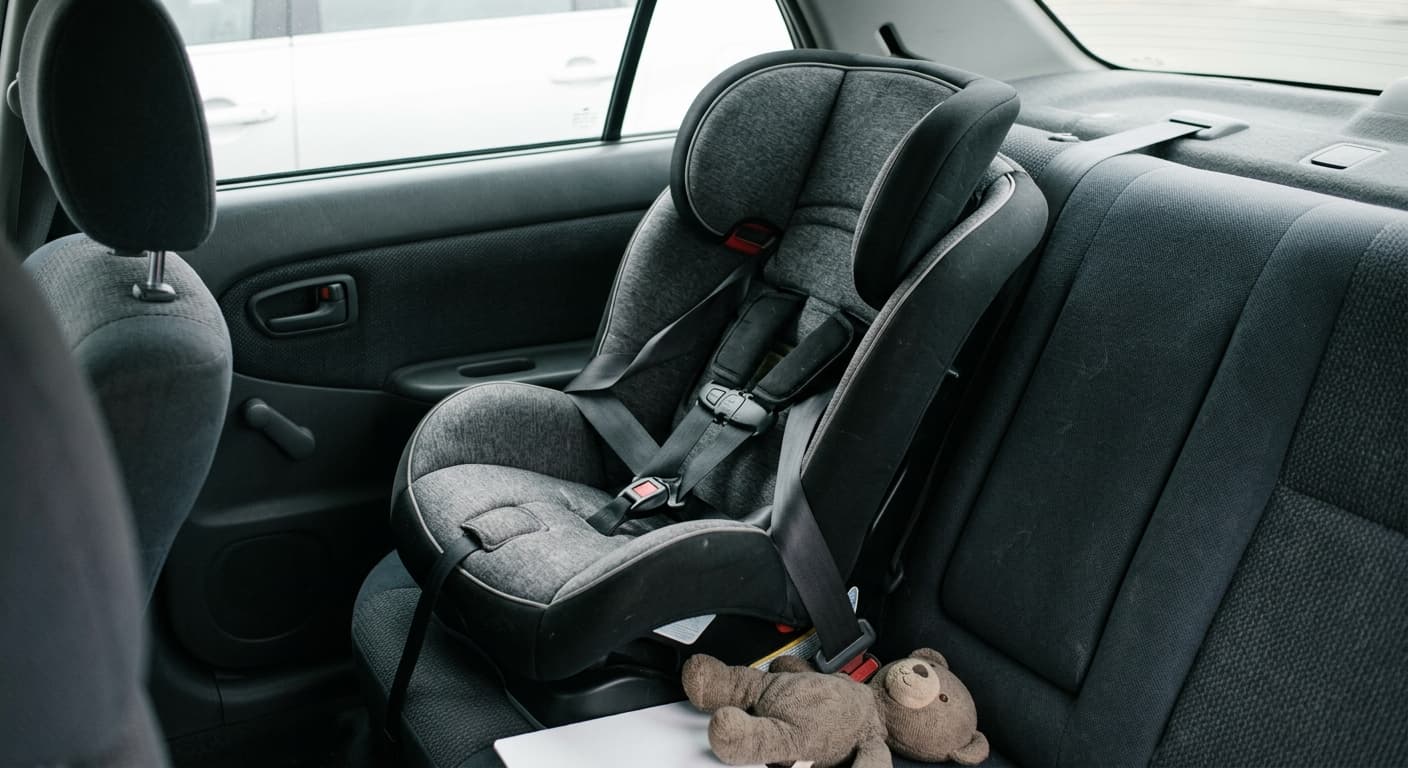
Virginia law requires children to ride rear-facing until age 2, in a forward-facing seat with harness after that, then in a booster seat until age 8. The AAP recommends children remain in the back seat until age 13, though Virginia law does not set a general back-seat age requirement.
What Are the Height and Weight Requirements for Car Seats in Virginia?
Virginia's car seat law requires all children to ride on rear-facing seats until they reach age 2.
Children should ride on forward-facing seats once they outgrow their rear-facing seats.
The law requires children less than 8 years to ride on child restraint devices.Children who have outgrown forward-facing seats should ride on booster seats until age 8.
The AAP recommends children remain in the back seat until age 13, though this is a safety recommendation, not a Virginia legal requirement.
What Are the Rear Facing Car Seat Laws in Virginia?
Virginia's car seat law requires all children to ride on rear-facing seats until they reach age 2 or until they reach the minimum weight limit required to ride on a forward-facing seat. The AAP (American Academy of Pediatrics) recommends children should ride rear-facing for as long as possible as it offers the best protection.
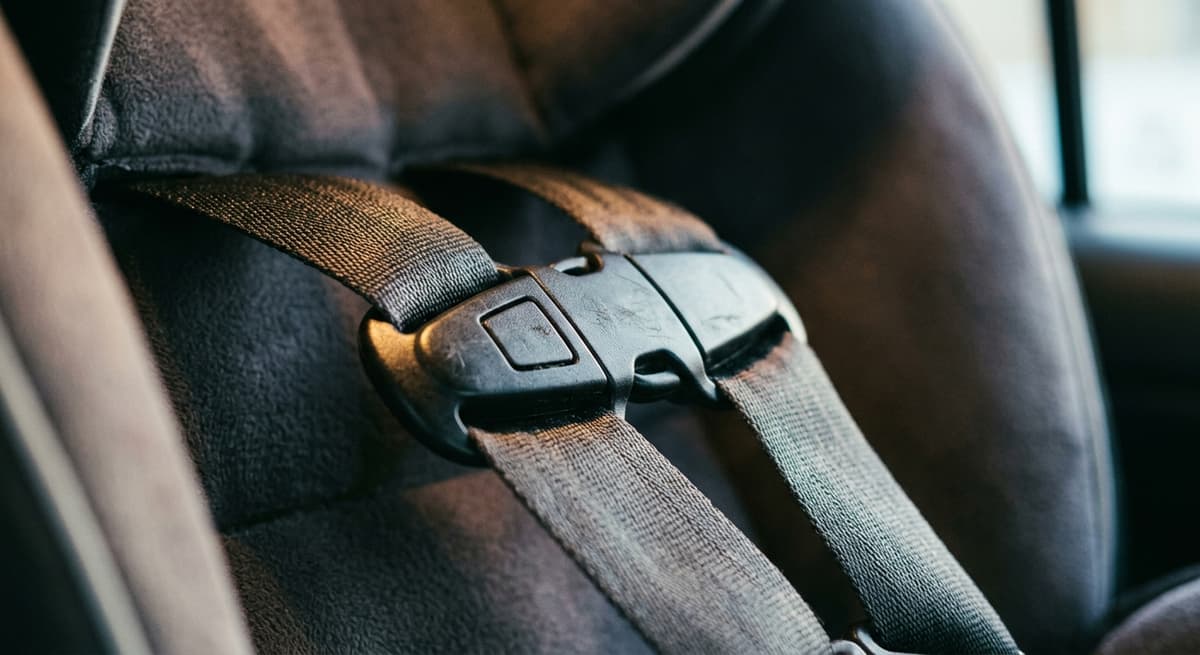
Rear-facing seats cradle the baby's neck, head, and back during an accident, and this reduces the risk of getting injured. The back of the seat also absorbs most of the impact energy, thus reducing the amount of force exerted on the infant. Typically, newborns usually ride on infant-only seats right from the hospital. These seats are lighter and can be used as a portable carrier.
As your child becomes bigger, he or she should use a convertible seat which has higher weight limits (up to 40 pounds), and it also allows the child to remain rear-facing for a longer period of time. Keep your child in this position until he or she exceeds the seat's maximum requirements even if their legs are touching the back of the seat. Rear-facing seats should be tightly secured in the rear seat.
What Are the Forward Facing Car Seat Laws in Virginia?
Once children outgrow their rear-facing seats, they should ride on forward-facing seats equipped with a 5-point harness and installed in the back seat, until they exceed the seat's weight and height limits.
Convertible seats can double as a forward-facing seat and can be turned around to face forward once the child exceeds the rear-facing position limits. Parents can also opt for 3-in-1 seats, combination seats, and forward-facing only seats. Use the harness straps to fasten your child to the seat. The straps should be snug at the hips and shoulders so that they can spread crash forces evenly across the surface of the child's body in the event of an accident.
Forward-facing seats can be secured with a lap-only belt, lap-shoulder belt, or with a latch system. Most seats can support up to 65 pounds, so some children can safely ride on them until when they are closer to age 7. Forward-facing seats should be tightly installed in an upright position. They should not move by more than 1-inch on either side.
What Are the Booster Seat Laws in Viriginia?
The law requires children less than 8 years to ride on child restraint devices. Therefore, children who have outgrown forward-facing seats should ride on booster seats until age 8. A minimum weight of 40 pounds is recommended before a child can use a booster seat, however it is best to wait until the child exceeds the topmost requirements of their forward-facing seats.
Booster seats are used to raise a child so that safety belts can fit properly. The lap portion should lie snug and flat across the hips and upper thighs, and the shoulder belt should lie flat across the middle of the chest. Booster seats come in two sizes: high back and no-back. High backs are used to support the child's head and neck when the car does not have headrests installed while no-back is used when headrests are available. Booster seats should only be secured with lap-shoulder belts. Never use a lap-only belt.
For best protection, children should be at least 4'9" before graduating to seat belts. Typically, most children attain this height between the ages of 8-12 years. Also, before using seat belts, ensure your child can sit all the way back against the seat and with knees bent at the edge of the seat without slouching.
When Can a Child Sit in the Front Seat in Virginia?
The law states children 7 years or younger should use a child safety seat. This means children can legally sit anywhere in the car as long as they are old enough (8 years or older) to wear seat belts. However, the AAP recommends children should remain in the back seat until age 13. Virginia law requires rear-facing seats to be placed in the back seat. If the car does not have rear-seats, you can install the seat in the front seat as long the airbag is deactivated.
Do Children Need to Wear Seat Belts?
If your child is between the ages of 8-17 and has outgrown their child safety devices they are required to wear a seat belt.
Can Children Ride in the Back of Pickup Trucks?
Children under 16 years are not allowed to ride in the cargo area of pickup trucks. Exceptions apply during certain parades and farming operations.
Is it Illegal to Leave a Child Alone in a Vehicle in Virginia?
Virginia does not have a law that prevents you from leaving your child alone in the vehicle. In 2007 the issue was introduced to the General Assembly, but it never made it into the rule of law.
*Note - We do not recommend that you leave your child alone in the vehicle for any length of time.
Is it Illegal to Smoke in a Vehicle With a Child in Virginia?
Yes, it is illegal to smoke in a car with child passengers.
Are Car Seats Required in Taxis in Virginia?
Virginia has a few car seat exemptions. Commercial vehicles such as taxis or buses are exempted from complying with the state's car seat laws.
Vehicles manufactured before January 1, 1968 are also exempt.
*Note - We recommend you use a car seat whenever you're able to.
Does a Car Seat Need to be Replaced After a Crash?
Yes, Virginia law requires car seats to be replaced after a major crash. Also, remember to check your car seat's expiry date.
More Virginia Laws
Frequently Asked Questions
What Are the Height and Weight Requirements for Car Seats in Virginia?
Virginia's car seat law requires all children to ride on rear-facing seats until they reach age 2. Children should ride on forward-facing seats once they outgrow their rear-facing seats. The law requires children less than 8 years to ride on child restraint devices.Children who have outgrown forward-facing seats should ride on booster seats until age 8. The AAP recommends children remain in the back seat until age 13, though this is a safety recommendation, not a Virginia legal requirement.
What Are the Rear Facing Car Seat Laws in Virginia?
Virginia's car seat law requires all children to ride on rear-facing seats until they reach age 2 or until they reach the minimum weight limit required to ride on a forward-facing seat. The AAP (American Academy of Pediatrics) recommends children should ride rear-facing for as long as possible as it offers the best protection. Rear-facing seats cradle the baby's neck, head, and back during an accident, and this reduces the risk of getting injured. The back of the seat also absorbs most of the impact energy, thus reducing the amount of force exerted on the infant.
What Are the Forward Facing Car Seat Laws in Virginia?
Once children outgrow their rear-facing seats, they should ride on forward-facing seats equipped with a 5-point harness and installed in the back seat, until they exceed the seat's weight and height limits. Convertible seats can double as a forward-facing seat and can be turned around to face forward once the child exceeds the rear-facing position limits. Parents can also opt for 3-in-1 seats, combination seats, and forward-facing only seats. Use the harness straps to fasten your child to the seat.
What Are the Booster Seat Laws in Viriginia?
The law requires children less than 8 years to ride on child restraint devices. Therefore, children who have outgrown forward-facing seats should ride on booster seats until age 8. A minimum weight of 40 pounds is recommended before a child can use a booster seat, however it is best to wait until the child exceeds the topmost requirements of their forward-facing seats. Booster seats are used to raise a child so that safety belts can fit properly. The lap portion should lie snug and flat across the hips and upper thighs, and the shoulder belt should lie flat across the middle of the chest.
When Can a Child Sit in the Front Seat in Virginia?
The law states children 7 years or younger should use a child safety seat. This means children can legally sit anywhere in the car as long as they are old enough (8 years or older) to wear seat belts. However, the AAP recommends children should remain in the back seat until age 13. Virginia law requires rear-facing seats to be placed in the back seat. If the car does not have rear-seats, you can install the seat in the front seat as long the airbag is deactivated.
Do Children Need to Wear Seat Belts?
If your child is between the ages of 8-17 and has outgrown their child safety devices they are required to wear a seat belt.
Can Children Ride in the Back of Pickup Trucks?
Children under 16 years are not allowed to ride in the cargo area of pickup trucks. Exceptions apply during certain parades and farming operations.
Is it Illegal to Leave a Child Alone in a Vehicle in Virginia?
Virginia does not have a law that prevents you from leaving your child alone in the vehicle. In 2007 the issue was introduced to the General Assembly, but it never made it into the rule of law. *Note - We do not recommend that you leave your child alone in the vehicle for any length of time.
Updates
Rewrote four unqualified statements that Virginia law requires children to sit in the back seat until age 13 (intro summary, a body section, KeyTakeaways, and a duplicate FAQ answer); Virginia's child-restraint statute (Va. Code § 46.2-1095) sets no general back-seat age rule, so those passages now correctly label the age-13 figure as an AAP recommendation, matching the one place on the page that already said so.
Independently fact-checked against the cited primary sources; governing law re-checked for recent changes
Corrected the seat-belt-only age range from 7-18 to 8-17 to match Va. Code 46.2-1095: subsection A's child-restraint-device requirement runs through age 7, and subsection B's seat-belt duty picks up at age 8.
Governing law re-checked for recent changes
Reviewed and approved by an editor
The Law Behind This Article
This article rests on the statutory provisions below, held in our own legal record and retrieved from the official source. Tap a section to read the operative text.
Code of Virginia, Title 46.2: Motor Vehicles
§ 46.2-1095Child restraint devices required when transporting certain children; safety belts for passengers less than 18 years old requiredIn force
A. Any person who drives on the highways of Virginia any motor vehicle manufactured after January 1, 1968, shall ensure that any child, up to age eight, whom he transports therein is provided with and properly secured in a child restraint device of a type which meets the standards adopted by the United States Department of Transportation. Such child restraint device shall not be forward-facing until at least (i) the child reaches two years of age or (ii) the child reaches the minimum weight limit for a forward-facing child restraint device as prescribed by the manufacturer of the device. Further, child restraint devices shall be placed in the back seat of a vehicle. In the event the vehicle does not have a back seat, the child restraint device may be placed in the front passenger seat only if the vehicle is either not equipped with a passenger side airbag or the passenger side airbag has been deactivated. B.
Official text (excerpt) · last checked 2026-07-29 · Read the full text in our law library · Verify at law.lis.virginia.gov
Cited in 1 court opinions in our collectionLatest citing opinion in our collection: 2010
Opinions citing this section in our collection:
- Evans v. Evans (Supreme Court of Virginia 2010, 280 Va. 76)“…Circuit Court erred in failing to recognize that Va. Code § 46.2-1095(C) refers only to “negligence”…”
Identified automatically from the court opinions citing this section — not a ranking of which case controls.
Search our full record of US law — 2.1 million sections, every state + federal →
Sources and References
- Va. Code § 46.2-1095: child restraint devices required when transporting certain children(law.lis.virginia.gov).gov