New Hampshire Traffic Camera Ticket Laws: The Broadest Camera Ban in the Country
Independently fact-checked against primary sources (last audited August 12, 2026). · 3 primary sources cited on this page. How we verify our legal content
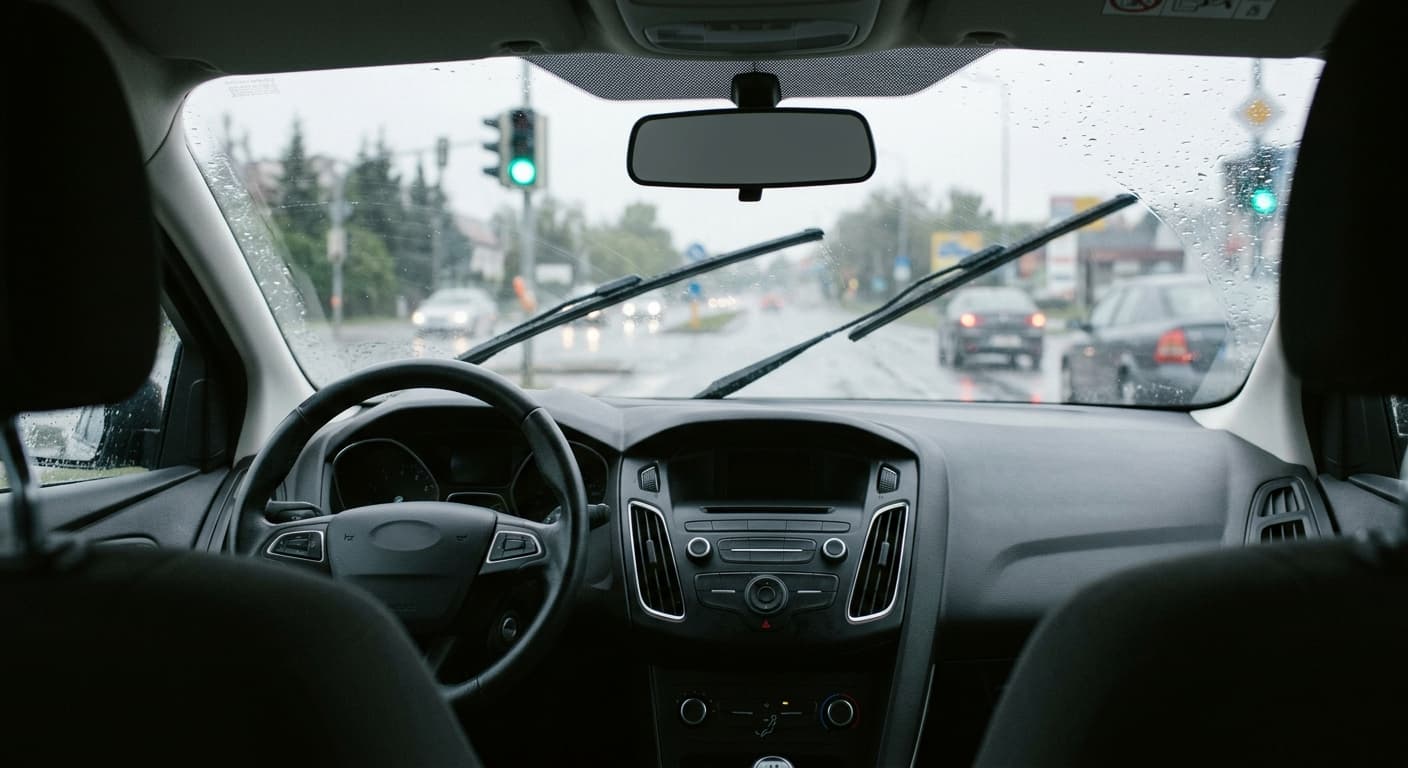
New Hampshire does not just ban red light and speed cameras, it bans highway surveillance itself. RSA 236:130 prohibits the state and its cities and towns from using a camera, imaging device, transponder, GPS, or RFID technology to determine a vehicle's ownership or an occupant's identity on any public way, a rule broad enough to foreclose red light cameras, speed cameras, and dragnet license-plate-reader surveillance in one statute. Among the states that address the topic at all, New Hampshire's ban is the broadest.
RSA 236:130: What "No Highway Surveillance" Actually Bans
The statute's core sentence is short and sweeping: «Neither the state of New Hampshire nor its political subdivisions shall engage in surveillance on any public ways.» «Surveillance» is defined to cover using a camera, imaging device, transponder, Global Positioning System, or radio-frequency identification technology to determine the ownership of a vehicle or the identity of an occupant. That single definition catches an unattended red light camera, a stationary speed camera, and a roving automated license-plate-reader dragnet all at once, which is why New Hampshire's ban reads more like a general surveillance statute that happens to sweep in traffic cameras than a traffic-enforcement statute at all.
What Stays Legal Under New Hampshire's Ban
The statute carves out a specific, limited list of exceptions rather than leaving the ban absolute. Surveillance that is specifically authorized elsewhere in New Hampshire statute is allowed. So is case-by-case surveillance conducted as part of an actual criminal or violation investigation, rather than a blanket dragnet. The Department of Transportation may view traffic conditions for management purposes as long as it does not record. Building and structure security cameras are unaffected. Several named, narrower uses are also carved out: toll collection systems (the reason New Hampshire's electronic toll lanes are legal), the Portsmouth and Little Bay (Dover/Newington) bridges by name, state park-and-ride security cameras subject to a 24-day retention cap, DOT fleet dash cameras limited to three business days of storage, monitoring of wooden bridges for damage with images erased within seven days, and cameras run by private park-and-ride operators.

The statute also has teeth against the government itself: a violation is a violation-level offense for a natural person and a misdemeanor for any other entity, which means a town or agency that stood up an unauthorized camera program would be exposing itself to liability under the same law it broke.
Camera Tickets From Other States
A New Hampshire resident, or a driver just passing through, can still receive a mailed camera ticket from a state that does run a red light or speed camera program. New Hampshire's ban does not reach outward to shield you from that; it only prevents New Hampshire itself from running such a program. Those out-of-state notices are civil penalties issued under the other state's own law, and in most owner-liability programs nationwide, that kind of penalty is explicitly not a criminal conviction. The interstate Driver License Compact, which governs when one state must honor another state's licensing action, is built around convictions, so a civil camera penalty from another state generally has no automatic path onto a New Hampshire driving record. Contact the agency that issued the ticket directly about payment options and deadlines; New Hampshire's law does not change what that other state requires.
Information last verified on 2026-08-12. This article has not yet been reviewed by a licensed lawyer.
Related Resources
- Traffic Camera Ticket Laws by State
- Do You Have to Pay a Camera Ticket?
- How to Fight a Camera Ticket
- Can You Get a Speeding Ticket Without Being Pulled Over?
- New Hampshire Police Bodycam Laws
Last updated: 2026-08-12.
More New Hampshire Laws
Frequently Asked Questions
Are red light cameras legal in New Hampshire?
No. RSA 236:130 bars using a camera to identify a vehicle or occupant on a public way, which forecloses a red light camera program entirely.
Are speed cameras legal in New Hampshire?
No, for the same reason. New Hampshire's surveillance ban does not distinguish between red light and speed enforcement; both are barred.
Does New Hampshire's ban cover more than camera tickets?
Yes. RSA 236:130 is written as a ban on highway surveillance generally, reaching license-plate-reader dragnets and similar technology, not just red light or speed ticketing.
Are toll cameras legal in New Hampshire?
Yes. Toll collection systems are a specific statutory exception to the surveillance ban, so New Hampshire's electronic toll lanes remain legal.
What happens if a New Hampshire town tries to run a camera ticket program anyway?
The statute makes violating the ban an offense in itself, a violation-level offense for a person and a misdemeanor for an entity such as a town or agency, so the town itself would face legal exposure.
I got a camera ticket in the mail from another state. Does that count in New Hampshire?
Not as a New Hampshire citation, since New Hampshire has no camera program of its own. Contact the issuing state's agency about how it handles that ticket; New Hampshire's ban does not shield you from a citation another state issued for a violation that happened in that state.
Updates
Independently fact-checked against the cited primary sources
The Law Behind This Article
This article rests on the statutory provisions below, held in our own legal record and retrieved from the official source. Tap a section to read the operative text.
New Hampshire Revised Statutes Annotated, TITLE XX TRANSPORTATION, CHAPTER 236 HIGHWAY REGULATION, PROTECTION AND CONTROL REGULATIONS
§ 236:130Highway Surveillance Prohibited.In force
I. In this subdivision, "surveillance" means the act of determining the ownership of a motor vehicle or the identity of a motor vehicle's occupants on the public ways of the state or its political subdivisions through the use of a camera or other imaging device or any other device, including but not limited to a transponder, cellular telephone, global positioning satellite, or radio frequency identification device, that by itself or in conjunction with other devices or information can be used to determine the ownership of a motor vehicle or the identity of a motor vehicle' s occupants. II. Neither the state of New Hampshire nor its political subdivisions shall engage in surveillance on any public ways of the state or its political subdivisions. III.
Official text (excerpt) · last checked 2026-07-29 · Read the full text in our law library · Verify at gc.nh.gov
Cited in 1 court opinions in our collectionLatest citing opinion in our collection: 2007
Opinions citing this section in our collection:
- State v. Njogu (Supreme Court of New Hampshire 2007, 156 N.H. 551)“…criminal activity, constitutes surveillance in violation of RSA 236:130 (Supp.2007). We reverse and remand. T…”
Identified automatically from the court opinions citing this section — not a ranking of which case controls.
Search our full record of US law — 2.1 million sections, every state + federal →