
Alabama
Alabama Squatters Rights and Adverse Possession Laws (2026)
Independently fact-checked against primary sources (last audited August 18, 2026). · Reviewed by the RecordingLaw editorial team. · Law checked current as of August 18, 2026. · 9 primary sources cited on this page. How we verify our legal content
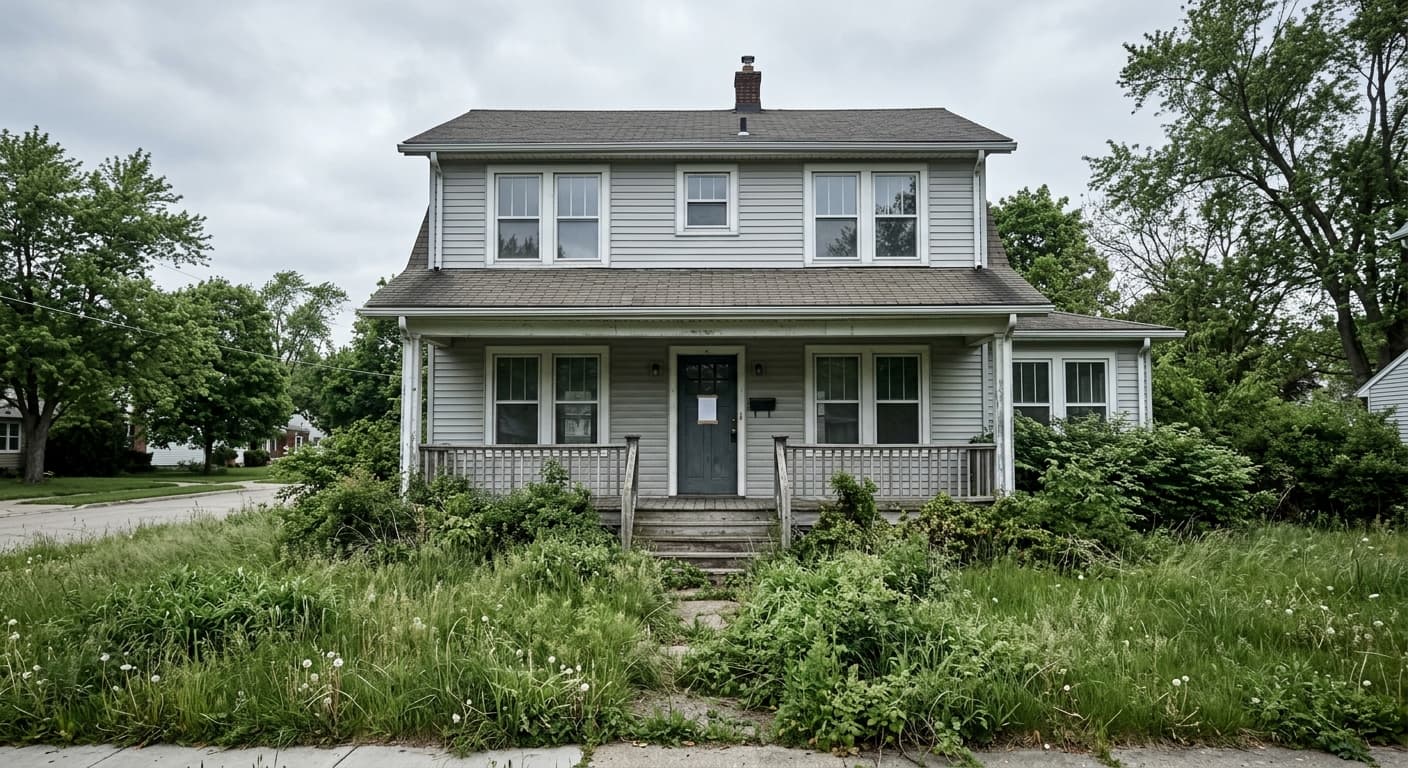
Alabama's 10-year adverse possession period under Ala. Code § 6-5-200 is open only to a claimant who also holds recorded color of title, a 10-year tax-listing history, or title by descent or devise. An occupant with none of those must rely on adverse possession by prescription, which Alabama courts require to run for 20 years. Since June 1, 2024, Ala. Code §§ 35-9B-1 through 35-9B-9 (Act 2024-237, HB 182) let law enforcement remove a squatter from a dwelling on the owner's sworn affidavit, without a formal eviction action.
Information last verified on May 27, 2026. This article provides general legal information, not legal advice.
Jurisdiction scope: This article covers Alabama state law only. For a national overview, see the national squatters rights guide.
Adverse Possession in Alabama: Period and Elements
Under Ala. Code § 6-5-200, a person can acquire legal title to real property through adverse possession after 10 uninterrupted years of qualifying possession, but only if one of the three conditions in subsection (a) is also met. Alabama courts require the claimant to prove five elements, each for the full statutory period: the possession must be (1) actual, meaning the claimant physically uses the land; (2) open and visible, so that a reasonable owner inspecting the property would notice the occupation; (3) notorious, meaning the use is consistent with how an owner would use similar land; (4) hostile, meaning the claimant holds the land without the owner's permission and under a claim of right; and (5) exclusive and continuous for the entire period without abandonment.

Alabama has two routes to title by adverse possession, and they run on different clocks. Statutory adverse possession under § 6-5-200 runs 10 years, but subsection (a) does not let that period run on possession alone: the claimant must also show a deed or other color of title recorded in the probate office for 10 years, annual listing of the land for taxation for 10 years, or title acquired by descent cast or devise from a predecessor who was in possession. Color of title and tax listing do not shorten the period below 10 years; one of the three has to be present.
The second route is the common-law doctrine of adverse possession by prescription, which imposes no color-of-title or tax-listing requirement but a much longer clock. In EBSCO Industries, Inc. v. Ballard, SC-2024-0678 (Ala. June 6, 2025), the Alabama Supreme Court restated the standard: "Because this case concerns adverse possession by prescription, the Ballard parties were required to prove that their possession of the disputed parcel was 'actual, exclusive, open, notorious and hostile ... under a claim of right for a period of twenty years.'" That case decided ownership of a 5.5-acre tract, which is the point often missed: prescription confers title to land, not merely a non-possessory interest such as an easement. An occupant with no recorded deed, no tax-listing history, and no inherited title is therefore looking at 20 years, not 10. The court also noted that the presumption favors the record owner and that a heavy burden of proof rests on the person claiming by adverse possession.
How to Remove a Squatter in Alabama
Law-enforcement removal under Ala. Code §§ 35-9B-1 to 35-9B-9 (Act 2024-237, HB 182, effective June 1, 2024)
Act 2024-237 created a fast-track removal procedure for squatters. Section 35-9B-9(a) defines a squatter as a person occupying a dwelling who is not entitled to occupy it under a lease or rental agreement and is not authorized by a tenant to occupy it, and it excludes a tenant holding over in a periodic tenancy under § 35-9A-441. Section 35-9B-9(b) excludes squatter occupancy from Chapters 9 and 9A, so removal does not require an eviction action under those chapters.
The process has fixed steps. First, the owner or the owner's agent must give notice at the dwelling, by hand delivery or by posting on the front door or entrance, telling the occupant that he or she has no right to the dwelling and must vacate immediately, and the notice must state the address of the law enforcement agency where the affidavit will be delivered (§ 35-9B-2(c)).
Second, the owner submits a sworn affidavit to a law enforcement agency in the county where the dwelling is located. Section 35-9B-2(a) requires seven elements: that the affiant is the owner or the owner's agent; that an individual has entered and is remaining unlawfully in the dwelling; that the individual was not authorized to enter or remain; that the individual is not a tenant as defined in § 35-9A-141 or a holdover tenant; that the affiant already asked the individual to vacate and the individual did not; that the individual is not an immediate family member of the property owner; and that there is no pending litigation about the dwelling between the owner and the individual. Section 35-9B-4 makes a knowingly false affidavit prosecutable as false reporting to law enforcement authorities under § 13A-10-9.
Third, under § 35-9B-3(a), the agency must verify that the affiant is the record owner or authorized agent and appears otherwise entitled to relief, and then, after at least 24 hours from receipt of the affidavit, serve a notice to immediately vacate on the occupant by hand delivery or by posting it on the front door or entrance. Officers must also attempt to verify the identities of everyone occupying the dwelling and note them on the return of service, and may arrest an occupant for trespass, burglary, theft, another criminal act, or an outstanding warrant. The agency may charge a processing fee of no more than $50 (§ 35-9B-3(b)).
The procedure carries real exposure for the owner. Under § 35-9B-6, a person wrongly removed may sue the affiant, have possession of the dwelling restored, and recover actual costs and damages, punitive damages of triple the fair market rent of the dwelling, court costs, and reasonable attorney fees. Officers and agencies acting in good faith are shielded by § 35-9B-5. Utilities are addressed separately: § 35-9B-7 lets a utility rely on or require a writ of possession under Chapter 9 or 9A when deciding whether to discontinue service, so the affidavit route does not by itself cut off utility service.

Standard unlawful detainer and ejectment (Title 35)
When the occupant was once a tenant or claims any tenancy right, the owner must use the court-based process. Under Alabama's residential landlord-tenant statute, Ala. Code § 35-9A-421 requires the landlord to deliver a written notice to terminate the lease that sets a termination date not less than seven business days after the tenant receives it. That same seven-business-day notice applies both to material noncompliance with the rental agreement, under subsection (a), and to unpaid rent, under subsection (b). The landlord then files an unlawful detainer complaint in the district court of the county where the property is located. If the court finds for the landlord, it issues a writ of possession, and the sheriff executes the writ. For occupants with no colorable tenancy claim and for properties outside the Uniform Residential Landlord and Tenant Act (Title 35, ch. 9A), Alabama Code Title 6 provides an ejectment action as an alternative remedy.
No self-help removal
Alabama law prohibits self-help eviction. A property owner who forcibly removes an occupant, cuts off utilities, or removes the occupant's belongings without court authority or the § 35-9B process may face a civil lawsuit. When in doubt, consult a lawyer licensed in Alabama before taking any removal action.
Disclaimer: This article provides general legal information about Alabama squatters rights and adverse possession law. It is not legal advice and does not create an attorney-client relationship. Laws can change, and individual facts matter. Consult a lawyer licensed in Alabama for advice about your specific situation. Information verified May 2026.
Sources
The statutes cited in this article are Ala. Code § 6-5-200 (adverse possession), Ala. Code §§ 35-9B-1 through 35-9B-9 (removal of an unauthorized individual from a dwelling, enacted by Act 2024-237, HB 182, effective June 1, 2024), and Ala. Code § 35-9A-421 (landlord's notice to terminate). All are available through the Alabama Legislature's official portal at alison.legislature.state.al.us. The 20-year prescription standard is quoted from EBSCO Industries, Inc. v. Ballard, SC-2024-0678 (Ala. June 6, 2025), published by the Alabama Appellate Courts.

Return to the national squatters rights guide
Last updated: May 27, 2026. Statutes cited reflect their in-force version as of May 27, 2026.
More Alabama Laws
Frequently Asked Questions
How long does a squatter have to stay in Alabama to claim ownership?
Ten years is the statutory period under Ala. Code § 6-5-200, but that section is open only to a claimant who also has a deed or other color of title recorded for 10 years, has listed the land for taxation annually for 10 years, or took title by descent or devise from a possessing predecessor. An occupant with none of those must rely on adverse possession by prescription, which requires possession that is 'actual, exclusive, open, notorious and hostile ... under a claim of right for a period of twenty years' (EBSCO Industries, Inc. v. Ballard, SC-2024-0678 (Ala. June 6, 2025)). Under either route, possession must be actual, open, notorious, hostile, exclusive, and continuous, and any interruption restarts the clock.
Does paying property taxes help a squatter's adverse possession claim in Alabama?
Tax payment doesn't shorten the 10-year period, but under Ala. Code § 6-5-200(a) it is one of three alternative ways to satisfy the statute: annually listing the land for taxation for the full 10 years, holding recorded color of title for the full 10 years, or taking title by descent or devise from a predecessor who was in possession. A claimant with neither recorded color of title nor a qualifying tax-listing history does not satisfy this section and is left with the 20-year prescription route.
What did Alabama HB 182 change for property owners?
HB 182 became Act 2024-237, effective June 1, 2024, and is codified at Ala. Code §§ 35-9B-1 through 35-9B-9. It allows a property owner to have a squatter removed by law enforcement using a sworn affidavit, without filing a court eviction case. Section 35-9B-9(b) excludes squatter occupancy from the Chapter 9 and 9A eviction process that applies to tenants.
Can a landlord use the § 35-9B affidavit process to remove a former tenant who stopped paying rent?
No. The chapter applies only to squatters, defined in Ala. Code § 35-9B-9(a) as occupants who are not entitled to occupy the dwelling under a lease or rental agreement and are not authorized by a tenant to occupy it. The definition expressly excludes a tenant holding over in a periodic tenancy under § 35-9A-441, so a holdover tenant must be removed through the standard unlawful detainer process under Title 35, ch. 9A.
How does a property owner prove someone is a squatter under Ala. Code § 35-9B-2?
The owner first posts or hand-delivers a notice at the dwelling telling the occupant to vacate immediately, then submits a sworn affidavit to a law enforcement agency in the county. Section 35-9B-2(a) requires seven statements: that the affiant is the owner or agent; that someone entered and is remaining unlawfully; that the person was not authorized to enter or remain; that the person is not a tenant or holdover tenant; that the affiant already asked the person to vacate and was refused; that the person is not an immediate family member of the owner; and that no litigation about the dwelling is pending between them. Under § 35-9B-3(a), the agency verifies record ownership and, at least 24 hours after receiving the affidavit, serves a notice to immediately vacate. A knowingly false affidavit can be prosecuted as false reporting under § 13A-10-9.
What happens if the affidavit process is used against someone who was not a squatter?
Ala. Code § 35-9B-6 gives the removed person a civil action against the affiant. A person harmed by a wrongful removal may have possession of the dwelling restored and may recover actual costs and damages, punitive damages of triple the fair market rent of the dwelling, court costs, and reasonable attorney fees. Law enforcement officers and agencies acting in good faith are shielded under § 35-9B-5, so the exposure falls on the person who swore the affidavit.
Can a squatter in Alabama use color of title to shorten the adverse possession period?
No, color of title doesn't shorten the period below 10 years, but it is one of the ways to satisfy Ala. Code § 6-5-200(a). A claimant who holds a deed or other color of title recorded for the full 10 years meets the statute on that basis; the same 10-year length applies whether the claimant qualifies through recorded color of title, through annual tax listing, or by descent or devise from a possessing predecessor.
What is the difference between an unlawful detainer and an ejectment action in Alabama?
An unlawful detainer action under Title 35, ch. 9A is the standard residential landlord-tenant eviction and is faster. An ejectment action under Title 6 is a broader real-property remedy used when no landlord-tenant relationship exists or when title itself is disputed.
Updates
Corrected the adverse possession discussion to distinguish the 10-year statutory period under Ala. Code § 6-5-200, which requires recorded color of title, a 10-year tax listing, or title by descent or devise, from the 20-year common-law prescription route, and rewrote the squatter-removal section around the actual code sections (Ala. Code §§ 35-9B-1 to 35-9B-9, Act 2024-237, previously miscited as Act 2024-258), including the seven affidavit elements, the 24-hour wait and notice to vacate, the wrongful-removal remedy, and the seven-business-day eviction notice under § 35-9A-421.
Replaced a dead Cornell LII citation for Alabama Code Title 35 with a working Justia mirror covering the same chapters.
Independently fact-checked against the cited primary sources; governing law re-checked for recent changes
Corrected the description of Ala. Code § 6-5-200's 10-year adverse possession period: the statute requires the claimant to show recorded color of title, annual tax listing, or descent/devise from a possessing predecessor, not bare possession with no such condition.
Governing law re-checked for recent changes
Reviewed and approved by an editor
The Law Behind This Article
This article rests on the statutory provisions below, held in our own legal record and retrieved from the official source. Tap a section to read the operative text.
Code of Alabama 1975, Title 6: Civil Practice.
§ 6-5-200When Title to Land Conferred or Defeated; When Claim May Be Defended or Prosecuted; Construction of Section.In forcecited in 2 of our articles
(a) Adverse possession cannot confer or defeat title to land unless: (1) The party setting it up shall show that a deed or other color of title purporting to convey title to him has been duly recorded in the office of the judge of probate of the county in which the land lies for 10 years before the commencement of the action; (2) He and those through whom he claims shall have annually listed the land for taxation in the proper county for 10 years prior to the commencement of the action if the land is subject to taxation; or (3) He derives title by descent cast or devise from a predecessor in the title who was in possession of the land.
Official text (excerpt) · last checked 2026-09-07 · Read the full text in our law library · Verify at alison.legislature.state.al.us
Cited in 23 court opinions in our collectionLatest citing opinion in our collection: 2025
In the courts (editorial summary, independently checked):Bearden applied the 10-year boundary-dispute rule between adjoining owners without § 6-5-200’s three alternative prerequisites, while requiring open, notorious, hostile, continuous and exclusive possession. Hand upheld title based on a recorded tax deed, tax payments and owner-like use of a vacant lot.
Opinions citing this section in our collection:
- Whittemore v. Varner (Supreme Court of Alabama 1992, 607 So. 2d 142)✓The plaintiffs claimed parcel 12 through a predecessor. His 1983 consent judgment waived claims based on his earlier possession. The court found § 6-5-200’s 10-year requirement unmet and reversed the judgment awarding title.
- Bearden v. Ellison (Supreme Court of Alabama 1990, 560 So. 2d 1042)✓Neighbors treated a fence as their boundary for decades, and the claimants gardened, cut timber and grazed cattle to it. The court affirmed adverse-possession title because the evidence supported 10 years of open, hostile, notorious, continuous and exclusive use.
- Hand v. Stanard (Supreme Court of Alabama 1980, 392 So. 2d 1157)✓A tax-deed holder paid taxes and treated an undeveloped beach lot as an owner would by surveying it, marking corners, posting signs and visiting it. The court held he satisfied § 6-5-200 and affirmed his ownership.
Identified automatically from the court opinions citing this section — not a ranking of which case controls.
Also relied on in: Squatters Rights by State: Adverse Possession Laws (2026)
Search our full record of US law — 2.1 million sections, every state + federal →
Sources and References
- Ala. Code § 6-5-200 – Adverse Possession(alison.legislature.state.al.us).gov
- Alabama HB 182 (Act 2024-258), effective June 1, 2024(alison.legislature.state.al.us).gov
- Alabama Code Title 35 – Property (Landlord-Tenant, Ch. 9 and 9A)(law.justia.com)
- Ala. Code § 6-5-200 (adverse possession: 10-year statutory period and its three alternative conditions)(alison.legislature.state.al.us).gov
- Ala. Code § 35-9B-2 (owner affidavit to remove an unauthorized individual: seven required elements and notice at the dwelling)(alison.legislature.state.al.us).gov
- Ala. Code § 35-9B-3 (verification of record owner, 24-hour wait, notice to immediately vacate, $50 processing fee; history: Act 2024-237)(alison.legislature.state.al.us).gov
- Ala. Code § 35-9B-6 (civil action for wrongful removal: restoration of possession, treble fair market rent, attorney fees)(alison.legislature.state.al.us).gov
- Ala. Code § 35-9B-9 (definition of squatter; exclusion from Chapters 9 and 9A eviction process)(alison.legislature.state.al.us).gov
- Ala. Code § 35-9A-421 (landlord notice to terminate: seven business days for material noncompliance and for unpaid rent)(alison.legislature.state.al.us).gov
- EBSCO Industries, Inc. v. Ballard, SC-2024-0678 (Ala. June 6, 2025) (adverse possession by prescription requires twenty years and confers title to land)(publicportal-api.alappeals.gov).gov