
Minnesota
Minnesota Probate and Intestate Succession: What Happens Without a Will (2026)
Independently fact-checked against primary sources (last audited August 20, 2026). · Reviewed by the RecordingLaw editorial team. · Law checked current as of August 20, 2026. · 8 primary sources cited on this page. How we verify our legal content
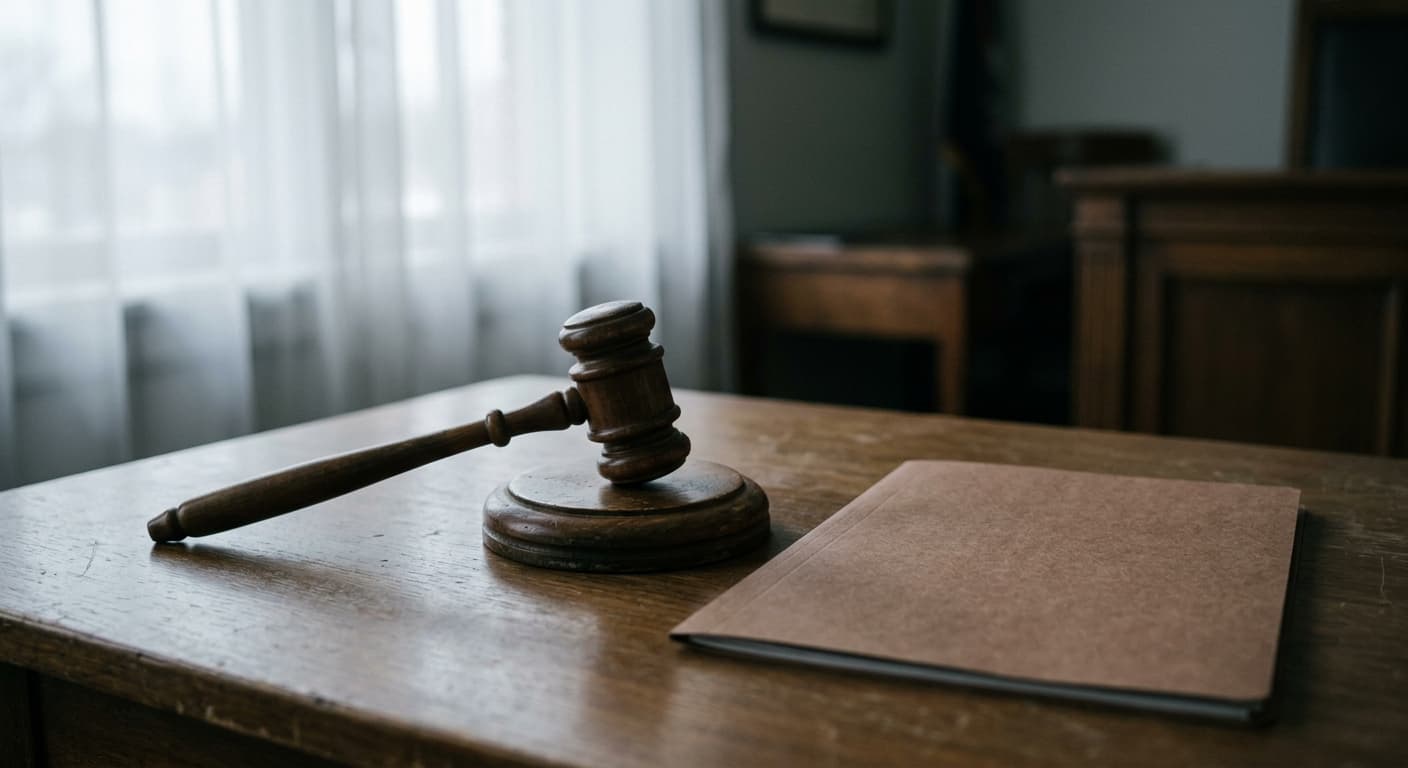
Minnesota has no separate, stand-alone probate court. Probate matters are heard inside each county's District Court, such as the Hennepin County District Court's Probate/Mental Health Court, under the state's own Uniform Probate Code.
Information last verified on 2026-07-16. This article has not yet been reviewed by a licensed lawyer.
How Probate Works in Minnesota
Minnesota does not operate a separate, stand-alone probate court. Instead, probate matters are heard within each county's District Court, for example the Hennepin County District Court's Probate/Mental Health Court, or the Probate Court that sits within the Civil Division of the Ramsey County District Court. Minnesota is a genuine Uniform Probate Code state, with its version of the model act codified at Minnesota Statutes Chapter 524.
Minnesota offers two procedural tracks. Informal Probate is handled by a court registrar rather than a judge, requires no hearing, and is available for uncontested estates with either a clear, unchallenged will or clear intestate heirs. Formal Probate requires a hearing before a judge and is used for contested matters, when an interested party specifically demands it, or when the court determines closer supervision is warranted. An application for informal probate or a petition for formal probate can be filed as soon as the applicant is ready, but generally no later than 3 years after death. The 120-hour (5-day) period often described as a waiting period is a limit on the registrar rather than on filing: under Minn. Stat. sections 524.3-302 and 524.3-307, the registrar cannot issue a statement of informal probate or an order of informal appointment until at least 120 hours have elapsed since the decedent's death. A formal testacy proceeding under section 524.3-401 carries no comparable waiting period at all.
Simple, uncontested Minnesota estates handled through Informal Probate typically take about 6 to 12 months from filing to final distribution. Contested or complex estates that require Formal Probate can run 12 to 24 months or longer. A mandatory 4-month creditor-claim period is built into both tracks and is one of the main drivers of how long a Minnesota probate case takes regardless of complexity.
Intestate Succession in Minnesota: Who Inherits Without a Will
Minnesota intestate succession is governed by its Uniform Probate Code codification, specifically Minn. Stat. section 524.2-102 (the surviving spouse's share) and section 524.2-103 (other heirs). As in every state, the statute sets a fixed order of inheritance that controls whenever a Minnesota resident dies without a valid will, regardless of what the deceased actually wanted.

The surviving spouse inherits the entire intestate estate in two situations: when no descendant of the decedent survives the decedent, or when all of the decedent's surviving descendants are also descendants of the surviving spouse and the spouse has no other surviving descendant. The first of those turns only on whether the decedent left descendants, so a decedent who dies childless leaves the whole intestate estate to the surviving spouse even if that spouse has children from another relationship. The reduced share, the first $225,000 plus one-half of the remaining balance with the rest passing to the decedent's descendants by representation, applies only when the decedent does leave surviving descendants and either the spouse has one or more descendants of their own who are not the decedent's, or one or more of the decedent's descendants are not the spouse's.
If there is no surviving spouse, the estate passes to the decedent's descendants by representation. Absent descendants, it passes to the decedent's parents equally, or to the surviving parent. Absent parents, it passes to the descendants of the decedent's parents (siblings and their children) by representation. If none survive, half of the estate passes to the decedent's surviving paternal grandparents or their descendants, and half to the surviving maternal grandparents or their descendants. Minnesota is not a community-property state. An estate escheats to the State of Minnesota only when no qualifying heir can be located at all, which happens rarely in practice.
One way to make sure your property goes to the people you actually choose, rather than following Minnesota's intestate succession order, is to have a valid will in place. recordinglaw.com's free Minnesota Last Will and Testament Generator can help you create one, with no account required.
Small Estate and Simplified Probate in Minnesota
Minnesota's small-estate affidavit lets an heir collect a decedent's personal property without opening a full probate case. The $75,000 limit is measured against the value of the entire probate estate as of the date of death, wherever located and including specifically the contents of any safe deposit box, less liens and encumbrances. That base is broader than what the affidavit can actually transfer: solely owned real property is part of the probate estate and counts toward the $75,000 cap, so an estate holding a modest bank balance alongside a house titled in the decedent's sole name will usually exceed the limit and needs a full probate case. Real property also cannot be transferred using the affidavit itself; it must go through probate or a separate non-probate mechanism, such as joint tenancy with right of survivorship or a transfer-on-death deed recorded before death.
The small-estate affidavit can be used starting 30 days after the date of death, and because it does not involve a court hearing or a formal inventory, a transfer under it can typically close in roughly 1 to 2 months. This makes it considerably faster than either Informal or Formal Probate, both of which are built around the state's 4-month creditor-claim period.
Does Minnesota Have an Estate or Inheritance Tax?
Minnesota has no state inheritance tax, but it does levy its own state estate tax, separate and independent from the federal estate tax. For 2026, the Minnesota estate tax exemption is $3,000,000, with some qualifying farm or small-business estates able to access a higher $5,000,000 exemption. Rates are progressive, starting around 13% just above the exemption threshold and rising to a top rate of 16% on the largest taxable estates.
Unlike the federal system, Minnesota's exemption is not portable between spouses; there is no portability election, so each spouse's exemption must be used through separate estate planning, or it is lost entirely when the first spouse dies. Minnesota also applies a 3-year gift "look-back" rule, adding certain gifts made within 3 years of death back into the decedent's taxable estate for purposes of calculating whether the estate tax applies.
Do You Need a Probate Attorney?
For a straightforward, uncontested Minnesota estate that qualifies for the small-estate affidavit or Informal Probate, many families are able to navigate the process without hiring a probate attorney. An attorney becomes more valuable when a will is likely to be contested, the estate includes a business interest, the family situation is blended in a way the intestate succession statute doesn't cleanly address, or the estate's value approaches or exceeds the $3,000,000 Minnesota estate tax threshold. For a broader look at how probate works nationally and in other states, see Probate by State.
Disclaimer
This article provides general information about probate and intestate succession in Minnesota as of the verification date above. It is not legal advice and does not create an attorney-client relationship. It is not a substitute for advice from a probate attorney licensed in Minnesota, particularly for a contested estate, a business interest, a blended family, or an estate approaching the Minnesota estate tax threshold. Figures, thresholds, and program details change over time; verify current details directly with the Minnesota Judicial Branch or the Minnesota Department of Revenue before relying on any figure here.
Last updated: 2026-07-16. Figures and statutes cited reflect their in-force version as of 2026-07-16.
More Minnesota Laws
Frequently Asked Questions
What court handles probate in Minnesota?
Minnesota has no separate probate court. Probate matters are heard within each county's District Court, such as the Probate/Mental Health Court in Hennepin County or the Probate Court within the Civil Division in Ramsey County.
How long does probate take in Minnesota?
Simple, uncontested estates handled through Informal Probate typically take about 6 to 12 months. Contested or complex estates that require Formal Probate can take 12 to 24 months or longer, largely because of Minnesota's mandatory 4-month creditor-claim period.
What is the small estate limit in Minnesota?
The $75,000 limit is measured against the entire probate estate as of the date of death, wherever located, less liens and encumbrances, not against personal property alone. Solely owned real property counts toward that cap even though the affidavit itself can only transfer personal property. The affidavit is usable starting 30 days after death.
Who inherits if you die without a will in Minnesota?
Under Minn. Stat. section 524.2-102, a surviving spouse inherits the entire intestate estate when the decedent leaves no surviving descendants, or when all of the decedent's descendants are also the spouse's and the spouse has no others. Only when the decedent does leave surviving descendants and the family is blended does the spouse take the first $225,000 plus one-half of the balance, with the rest passing to the decedent's descendants.
Does Minnesota have an inheritance tax?
No. Minnesota has no inheritance tax. It does levy its own state estate tax on estates above $3,000,000 (up to $5,000,000 for qualifying farm or small-business estates).
Does Minnesota have an estate tax?
Yes. Minnesota's 2026 estate tax exemption is $3,000,000, with progressive rates from about 13% to a top rate of 16%. The exemption is not portable between spouses, unlike the federal estate tax.
Does having a will avoid probate in Minnesota?
No. A will still needs to be authenticated through the probate process. What a will avoids is intestate succession, meaning your own wishes, not Minn. Stat. section 524.2-103's default order, decide who inherits.
Updates
Corrected the small-estate affidavit limit to measure the entire probate estate rather than personal property alone, clarified that a childless decedent's spouse inherits the whole intestate estate even if that spouse has children from another relationship, and fixed the 120-hour rule, which limits the registrar's issuance of an informal probate statement rather than when a case may be filed and does not apply to formal probate at all.
Independently fact-checked against the cited primary sources; governing law re-checked for recent changes
Corrected a description of Minnesota's spousal intestate share: Minn. Stat. 524.2-102 gives the surviving spouse the entire estate whenever no descendant survives, with no separate condition about surviving parents.
Governing law re-checked for recent changes
Reviewed and approved by an editor
The Law Behind This Article
This article rests on the statutory provisions below, held in our own legal record and retrieved from the official source. Tap a section to read the operative text.
Minnesota Statutes, Chapter 524: UNIFORM PROBATE CODE
§ 524.2-102SHARE OF THE SPOUSEIn forcecited in 2 of our articles
The intestate share of a decedent's surviving spouse is: (1) the entire intestate estate if: (i) no descendant of the decedent survives the decedent; or (ii) all of the decedent's surviving descendants are also descendants of the surviving spouse and there is no other descendant of the surviving spouse who survives the decedent; (2) the first $225,000, plus one-half of any balance of the intestate estate, if all of the decedent's surviving descendants are also descendants of the surviving spouse and the surviving spouse has one or more surviving descendants who are not descendants of the decedent, or if one or more of the decedent's surviving descendants are not descendants of the surviving spouse.
Official text (excerpt) · last checked 2026-09-06 · Read the full text in our law library · Verify at revisor.mn.gov
Also relied on in: Common Law Marriage in Minnesota: Is It Recognized? (2026)
§ 524.2-103SHARE OF HEIRS OTHER THAN SURVIVING SPOUSEIn force
Any part of the intestate estate not passing to the decedent's surviving spouse under section 524.2-102, or the entire intestate estate if there is no surviving spouse, passes in the following order to the individuals designated below who survive the decedent: (1) to the decedent's descendants by representation; (2) if there is no surviving descendant, to the decedent's parents equally if both survive, or to the surviving parent; (3) if there is no surviving descendant or parent, to the descendants of the decedent's parents or either of them by representation; (4) if there is no surviving descendant, parent, or descendant of a parent, but the decedent is survived by one or more grandparents or descendants of grandparents, half of the estate passes to the decedent's paternal grandparents equally if both survive, or to the surviving paternal grandparent, or to the descendants of the decedent's paternal grandparents or either of them if both are deceased, the descendants taking by representation; and the other half passes to the decedent's maternal relatives in the same manner; but if there is no surviving grandparent or descendant of a grandparent on either the paternal or the…
Official text (excerpt) · last checked 2026-07-29 · Read the full text in our law library · Verify at revisor.mn.gov
Search our full record of US law — 2.1 million sections, every state + federal →
Sources and References
- Minnesota Office of the Revisor of Statutes, Minn. Stat. § 524.2-102 (share of spouse)(revisor.mn.gov).gov
- Minnesota Office of the Revisor of Statutes, Minn. Stat. § 524.2-103 (share of heirs other than surviving spouse)(revisor.mn.gov).gov
- Minnesota Judicial Branch, Hennepin County District Court, "Probate/Mental Health Court"(mncourts.gov).gov
- Minnesota Judicial Branch, Ramsey County District Court, "Probate Court"(mncourts.gov).gov
- Minnesota Judicial Branch, "Probate, Wills and Estates FAQs"(mncourts.gov).gov
- Minnesota Department of Revenue, "Estate Tax Filing Requirement"(revenue.state.mn.us).gov
- Minnesota Attorney General’s Office, "Probate and Planning" Handbook, Chapter 2(ag.state.mn.us).gov
- IRS, "What’s New – Estate and Gift Tax" (2026 federal basic exclusion amount)(irs.gov).gov
- Minnesota Office of the Revisor of Statutes, Minn. Stat. § 524.3-1201 (collection of personal property by affidavit)(revisor.mn.gov)
- Minnesota Office of the Revisor of Statutes, Minn. Stat. § 524.3-302 (informal probate; registrar's statement)(revisor.mn.gov)
- Minnesota Office of the Revisor of Statutes, Minn. Stat. § 524.3-401 (formal testacy proceedings)(revisor.mn.gov)