
Vermont
Vermont Voyeurism Laws

Vermont criminalizes voyeurism under 13 V.S.A. 2605, prohibiting intentional viewing, photographing, or recording of a person's intimate areas without consent wherever a reasonable expectation of privacy exists. A first offense carries up to two years in prison; penalties rise to five years when a minor is involved.
Vermont addresses voyeurism and hidden camera offenses through two primary statutes: 13 V.S.A. 2605 (voyeurism) and 13 V.S.A. 2606 (nonconsensual disclosure of intimate images). Vermont Supreme Court case law, particularly State v. Geraw (2002), provides additional protections against hidden recording in private homes.
This guide covers what conduct is prohibited, criminal penalties, the interaction with federal law, and remedies for victims.
Vermont Voyeurism Statute (13 V.S.A. 2605)
What the Law Prohibits
A person commits voyeurism by intentionally viewing, photographing, filming, or recording a person's intimate areas without their consent in circumstances where the person has a reasonable expectation of privacy. The law applies regardless of whether the person is in a public or private setting.
Criminal Penalties
| Offense | Maximum Prison | Maximum Fine |
|---|---|---|
| First offense | 2 years | $1,000 |
| Second or subsequent | 3 years | $5,000 |
| Involving minors (13 V.S.A. 2605(c)) | 5 years | $5,000 |
Nonconsensual Intimate Images (13 V.S.A. 2606)

Knowingly disclosing images of an identifiable person who is nude or engaged in sexual conduct, without consent, with intent to harm, harass, intimidate, threaten, or coerce.
| Offense | Maximum Prison | Maximum Fine |
|---|---|---|
| Standard | 2 years | $2,000 |
| For profit | 5 years | $10,000 |
2024 Deepfake Amendment (Act 161)
Act 161 of 2024 (H.878), signed June 6, 2024, amended 13 V.S.A. 2606 to cover digitized and synthetic intimate images. AI-generated deepfakes that depict an identifiable person in a sexual manner are now expressly covered. The amendment added a definition of "digitization" to bring computer-generated intimate imagery within the statute's scope.
Federal TAKE IT DOWN Act
The TAKE IT DOWN Act, signed May 19, 2026, requires online platforms to remove nonconsensual intimate imagery -- including AI-generated deepfakes -- within 48 hours of receiving a victim's request. Federal criminal penalties apply to the creation and distribution of such images. This law operates alongside Vermont's 13 V.S.A. 2606 and provides an additional federal removal remedy.
Hidden Cameras and State v. Geraw
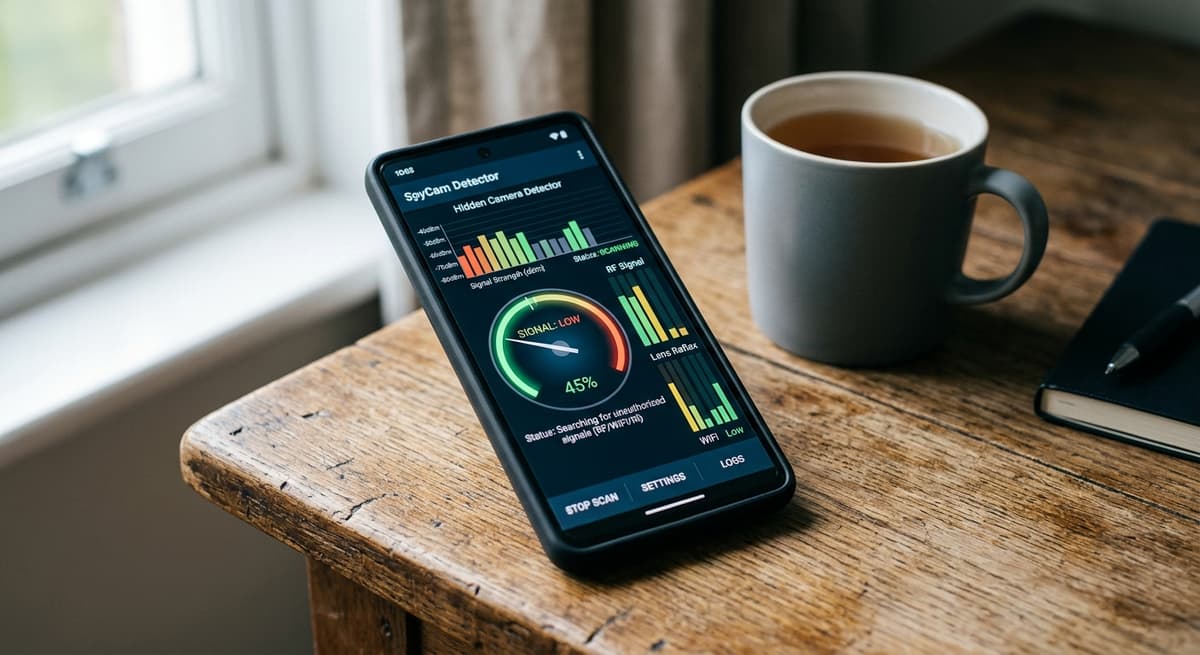
The Vermont Supreme Court ruled in State v. Geraw (2002) that placing hidden recording devices inside a private home without consent or a warrant violates Article 11 of the Vermont Constitution. This is the strongest privacy protection against hidden cameras in Vermont, applying to all recording in private residences.
Where Protections Apply
Strong privacy expectation: Private homes (Geraw), hotel rooms, bathrooms, locker rooms, changing rooms, medical examination rooms.
No privacy expectation: Public parking lots (Brooks), hospital ERs (Rheaume), public streets, stores.
Federal Law Interaction
The Video Voyeurism Prevention Act (18 U.S.C. 1801) applies on federal property. Federal wiretap law (18 U.S.C. 2511) applies to audio captured by hidden cameras.
Reporting
Contact local law enforcement. Do not disturb hidden devices. Document details. Consult an attorney about civil claims including invasion of privacy and intentional infliction of emotional distress.
More Vermont Recording Laws
Audio Recording | Video Recording | Voyeurism & Hidden Cameras | Workplace Recording | Recording Police | Phone Call Recording | Security Cameras | Recording in Public | Landlord-Tenant | Dashcam Laws | Schools | Medical Recording
Back to Vermont Recording Laws
More Vermont Laws
- Vermont AI Meeting Recording Laws
- Vermont Alimony Laws
- Vermont At-Will Employment Laws
- Vermont Car Accident Laws
- Vermont Car Seat Laws
- Vermont Child Custody Laws
- Vermont Child Support Laws
- Vermont Common Law Marriage Laws
- Vermont Data Privacy Laws
- Vermont Deepfake Laws
- Vermont Divorce Laws
- Vermont Dog Bite Laws
- Vermont Emancipation Laws
- Vermont Expungement Laws
- Vermont Hit and Run Laws
- Vermont Landlord-Tenant Laws
More Vermont Recording Topics
- Vermont Recording Laws
- Vermont Audio Recording
- Vermont Video Recording
- Vermont Medical Recording
- Vermont Schools Recording
- Vermont Workplace Recording
- Vermont Police Recording
- Vermont Phone Calls Recording
- Vermont Security Cameras Recording
- Vermont Landlord Tenant Recording
- Vermont Dashcam Recording
- Vermont Public Recording Recording
- Vermont Biometric Privacy Laws
- Surveillance Camera Laws
Frequently Asked Questions
Is voyeurism a felony in Vermont?
Voyeurism is punishable by up to 2 years for a first offense (or 5 years involving minors). Nonconsensual disclosure of intimate images for profit carries up to 5 years.
Are hidden cameras illegal in Vermont?
Hidden cameras are illegal in private homes under State v. Geraw and in any location where someone has a reasonable expectation of privacy under 13 V.S.A. 2605.
Does Vermont law cover deepfakes and AI-generated intimate images?
Yes. Act 161 of 2024 amended 13 V.S.A. 2606 to cover digitized and synthetic intimate images, including AI-generated deepfakes. The federal TAKE IT DOWN Act (May 2026) also requires platforms to remove such content within 48 hours of a victim's request.
Does Vermont have a revenge porn law?
Yes. 13 V.S.A. 2606 criminalizes nonconsensual disclosure of intimate images with up to 2 years imprisonment, or 5 years if done for profit. The 2024 deepfake amendment extended this to AI-generated imagery.
What should I do if I find a hidden camera in Vermont?
Contact law enforcement. Do not disturb the device. Document everything. Consult an attorney about civil remedies.
Can my landlord install cameras in my apartment in Vermont?
No. Under State v. Geraw, hidden recording devices in private homes violate Article 11. Your rental unit is a private home.
Sources and References
- 13 V.S.A. 2605 -- Voyeurism(legislature.vermont.gov).gov
- 13 V.S.A. 2606 -- Nonconsensual Disclosure of Intimate Images(legislature.vermont.gov).gov
- Act 161 of 2024 (H.878) -- Deepfake Amendment to 2606(legislature.vermont.gov).gov
- Vermont Constitution -- Article 11(legislature.vermont.gov).gov
- 18 U.S.C. 1801 -- Video Voyeurism Prevention Act(law.cornell.edu)