
Oregon
Oregon Hit and Run Laws: Penalties and What to Do

Oregon classifies leaving the scene of an accident as a misdemeanor or felony depending on the outcome. Under ORS 811.700, a property-damage hit and run is a class A misdemeanor. Under ORS 811.705, a hit and run involving injury or death escalates to a felony.
Hurt in a hit-and-run? If the driver who hit you fled or had no insurance, your own uninsured/underinsured-motorist (UM/UIM) coverage may pay your injury claim. Estimate what it could be worth with our free Oregon Car Accident Settlement Calculator.
Oregon Hit and Run Laws: What happens if someone leaves the scene of an accident?
What is the penalty for leaving the scene of an accident in Oregon?

Under Oregon's hit and run laws sections 811.700 through to 811.717, leaving the scene of a traffic collision that results in property damage is a misdemeanor. If anyone dies or suffers an injury, the charges escalate into a felony. In addition, prosecutors may pursue charges including failure to perform duties following an accident, vehicular homicide/manslaughter, failure to report a reportable accident, evading the police, criminal mischief in the second degree, recklessly endangering another person, and other charges that apply.
Quick take: leaving the scene of an accident in Oregon
- Failure to move your vehicle from a roadway or highway/blocking traffic is a class C traffic violation.
- You have six years to file a personal injury claim.
- Oregon is an at-fault state. Therefore, claimants may only recover damages if their share of responsibility is less than 51%.
- You have 72 hours to file a report at the DMV.
References
- 811.700 Failure to perform duties of a driver when property is damaged.
- 811.717 Failure to remove vehicle from roadway.
Oregon hit and run laws explained: What happens if you hit someone's car and then leave?
Suppose the collision results in property damage alone. Failure to perform the duties listed below constitutes a misdemeanor.
**What if the victim dies or suffers "great bodily harm"? **
In this scenario, a driver who flees the scene is guilty of a felony.
Under state law, "serious injury or great bodily harm" refers to any injury that puts the victim at significant risk of death, paralysis, or disfigurement. Examples include limb or organ loss, facial disfigurement, loss of bodily function, paralysis, etc.
What to do after an accident in Oregon
Under 811.700, your legal obligations at the scene of an accident are:
- First, you must immediately stop your vehicle and investigate what you have struck.
- When you stop your vehicle, make sure that it does not interfere with traffic more than is necessary.
- Remain at the scene until you give the struck person or property owner your name, address, name and number of your insurance carrier, and vehicle registration number.
- If law enforcement or the other party requests it, you must exhibit your driver's license.
- Render reasonable aid to anyone who needs it.
In short, if you hit someone or something, doing the following may help you avoid hit and run charges. Remember, a hit-and-run occurs the moment you leave the scene. Meaning if you leave and then come back, you are guilty.
Tips to avoid hit and run charges in Oregon:
- Stop your vehicle, investigate the collision, and remain at the scene until peace officers arrive.
- Render reasonable assistance to anyone who needs it.
- Suppose the accident results in great bodily injury, expensive property damage, or death. Contact an attorney before you file a report.
- Never admit fault at the scene of an accident.
- If you leave the scene, make sure that you have a valid reason and that you can prove it. For example, leaving the scene was the quickest way to contact emergency services, or you feared that remaining at the scene would lead to more harm.
Is leaving the scene of an accident a misdemeanor in Oregon?
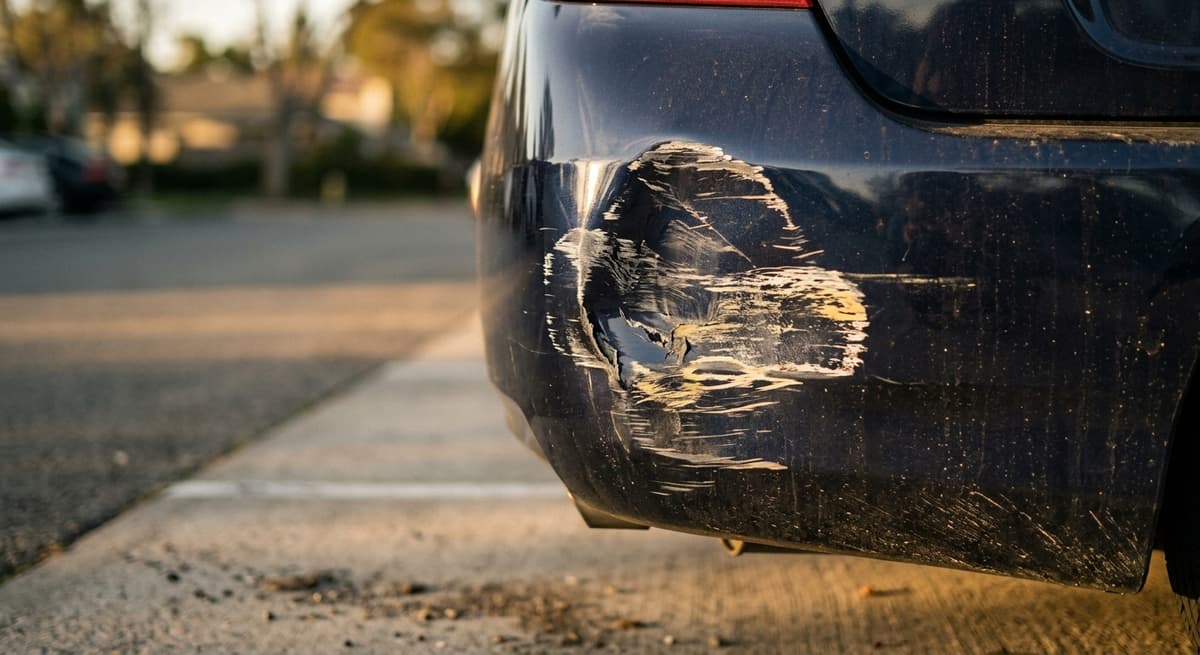
Yes. Failure to perform the duties of a driver after an accident involving property damage is a class A misdemeanor. The statute works under the assumption that "the accused knew, or had reason to know about his involvement in an accident." Section 811.700.2 defines "reason to believe" as, quote:
"Reason to believe" means that the driver is aware of a circumstance that would cause a reasonable person to be aware of a substantial and unjustifiable risk that the driver's vehicle has been in a collision. The risk must be of such nature or degree that failure to be aware of it constitutes a gross deviation from the standard of care that a reasonable person would observe in the situation."
What happens if you hit an unattended vehicle in Oregon?
Under Oregon hit and run laws, if you hit an unattended vehicle. You have a legal duty to locate and notify the vehicle or property owner. If you cannot locate the owner, leaving the scene without attaching a note containing your name, address, contact information, and insurance carrier is a misdemeanor.
Evading the police is a felony in Oregon
Under section 811.540, "fleeing or attempting to elude a police officer." Attempting to or fleeing from the police is a class C felony. If the driver gets out of the vehicle and attempts to elude police on foot, that individual is guilty of a class A misdemeanor.
How long do you have to report an accident in Oregon?
Oregon defines a reportable accident as any accident that results in property damage above $2500, injury, or death. You have 72 hours to file a report at the Department of Motor vehicles.
If you are involved in a reportable accident, you should notify law enforcement immediately. Failure to report an accident will result in license suspension. Also, you must report the accident even if your vehicle was the only one that sustained damage.
Note. In Oregon, an accident report is different from a police report, meaning you may have to file both.
What if you hit a domesticated animal in Oregon?
State law requires that whenever a driver hits a domesticated animal, the driver must make a reasonable effort to locate and inform the owner. If you cannot locate the owner, you may report the collision at the nearest police station.
Failure to perform your duty after hitting an animal is a class B traffic violation.
Is leaving the scene of an accident a felony in Oregon?
Yes. Leaving the scene of an accident that results in serious injury without performing the duties of a driver is a class C felony in Oregon.
Note that if anyone suffers injury after an accident, the law requires you to render reasonable assistance, including transporting the victim to a hospital. You may transport the person if it is apparent that the individual needs it or upon request.
In other words, one valid reason for leaving the scene of an accident in Oregon is leaving the scene was the quickest way to aid the victim.
Remember section 3 of 811.705 reads, quote:
*"Failure to perform the duties of a driver to injured persons is a Class B felony if a person suffers serious physical injury as defined in ORS 161.015 or dies as a result of the collision" *
What is the penalty for leaving the scene of an accident in Oregon?
- Hit and run involving property damage: class A misdemeanor, punishable by up to one year in jail and a maximum fine of $6250.
- Hit and run involving unattended vehicle: class A misdemeanor.
- Evading the police: in a vehicle, class C felony, and on foot class A misdemeanor.
- Leaving the scene of an accident involving non-fatal injury: class C felony, punishable by up to five years in prison and a maximum fine of $125000.
- DUI hit and run/aggravated homicide: class A felony, punishable by up to twenty years in prison and a maximum fine of $375000.
Related offenses
- Criminal mischief in the second degree/causing damage to property above $100: class A misdemeanor.
- Recklessly endangering another person: class A misdemeanor.
Civil penalties for leaving the scene of an accident in Oregon
Upon conviction, section 811.706 requires that, quote:
"When a person is convicted of violating ORS 811.700 or 811.705, the court, in addition to any other sentence it may impose, may order the person to pay an amount of money equal to the amount of any damages caused by the person as a result of the incident that created the duties in ORS 811.700 or 811. 705.."
On top of that, the victim may take civil action to recover lost wages, property repair or replacement, hospital bills, and other damages.
How is fault determined in Oregon?
Oregon is a fault state. Consequently, the at-fault party is responsible for paying the damages. The state also has a comparative negligence rule that allows claimants to collect if their share of responsibility for the accident does not exceed 51%.
Remember, the jury and investigators determine the at-fault party, meaning you should never admit fault at the scene of an accident.
To increase the odds of a successful claim, victims should do the following:
- Immediately call the police after a collision.
- If the other driver flees, collect as much information as possible, including driver description, car make, colour, damage sustained, and any further useful details.
- Do not comment about your health until you seek medical assistance.
- File an accident report.
- Do not accept responsibility for the accident or apologize.
- Call your insurer if you have personal injury cover.
- Do not threaten or harm the other driver.
What is the statute of limitations on accidents in Oregon?
The statute of limitations on personal injury in Oregon is six years from the date of injury. For property damage, you have two years to file a claim. If the accident resulted from negligence, you have six years to file a claim, and if the victim dies, the survivors have three years to file a wrongful death claim.
Other** Oregon **Laws
- Murder Sentencing Guidelines - Minimum to Maximum for Every State (2026)
- Oregon Car Seat Laws
- Oregon Child Support Laws
- Oregon Hit and Run Laws
- Oregon Lemon Law: Complete Guide for 2026
- Oregon Recording Laws (2026 Guide)
- Oregon Sexting Laws (2026 Guide)
- Oregon Statute of Limitations
- Oregon Whistleblower Laws
More Oregon Laws
Frequently Asked Questions
Oregon Hit and Run Laws: What happens if someone leaves the scene of an accident?
**What is the penalty for leaving the scene of an accident in Oregon?** Under Oregon's hit and run laws sections 811.700 through to 811.717, leaving the scene of a traffic collision that results in property damage is a misdemeanor. If anyone dies or suffers an injury, the charges escalate into a felony. In addition, prosecutors may pursue charges including failure to perform duties following an accident, vehicular homicide/manslaughter, failure to report a reportable accident, evading the police, criminal mischief in the second degree, recklessly endangering another person, and other charges that apply.
Oregon hit and run laws explained: What happens if you hit someone's car and then leave?
Suppose the collision results in property damage alone. Failure to perform the duties listed below constitutes a misdemeanor. **What if the victim dies or suffers "great bodily harm"? ** In this scenario, a driver who flees the scene is guilty of a felony.
Is leaving the scene of an accident a misdemeanor in Oregon?
Yes. Failure to perform the duties of a driver after an accident involving property damage is a class A misdemeanor. The statute works under the assumption that "the accused knew, or had reason to know about his involvement in an accident." Section 811.700.2 defines "reason to believe" as, quote: > *"Reason to believe" means that the driver is aware of a circumstance that would cause a reasonable person to be aware of a substantial and unjustifiable risk that the driver's vehicle has been in a collision.
Is leaving the scene of an accident a felony in Oregon?
Yes. Leaving the scene of an accident that results in serious injury without performing the duties of a driver is a class C felony in Oregon. Note that if anyone suffers injury after an accident, the law requires you to render reasonable assistance, including transporting the victim to a hospital. You may transport the person if it is apparent that the individual needs it or upon request. In other words, one valid reason for leaving the scene of an accident in Oregon is leaving the scene was the quickest way to aid the victim.
What is the penalty for leaving the scene of an accident in Oregon?
Related offenses Upon conviction, section 811.706 requires that, quote: > *"When a person is convicted of violating ORS 811.700 or 811.705, the court, in addition to any other sentence it may impose, may order the person to pay an amount of money equal to the amount of any damages caused by the person as a result of the incident that created the duties in ORS 811.700 or 811. 705.."* On top of that, the victim may take civil action to recover lost wages, property repair or replacement, hospital bills, and other damages.
How is fault determined in Oregon?
Oregon is a fault state. Consequently, the at-fault party is responsible for paying the damages. The state also has a comparative negligence rule that allows claimants to collect if their share of responsibility for the accident does not exceed 51%. Remember, the jury and investigators determine the at-fault party, meaning you should never admit fault at the scene of an accident.
What is the statute of limitations on accidents in Oregon?
The statute of limitations on personal injury in Oregon is six years from the date of injury. For property damage, you have two years to file a claim. If the accident resulted from negligence, you have six years to file a claim, and if the victim dies, the survivors have three years to file a wrongful death claim.
Injured in Oregon? Get a free case review from a personal-injury attorney
If someone else's negligence caused your injury, you may be owed compensation for medical bills, lost wages, and pain and suffering. Get a free, no-obligation review from a Oregon personal-injury attorney. Most work on contingency, so there is no upfront cost.
Sources and References
- Or. Rev. Stat. §§ 811.700 and 811.705: driver duties when property is damaged or a person is injured(oregonlegislature.gov).gov