
Georgia
Georgia Hit and Run Laws: Penalties and What to Do
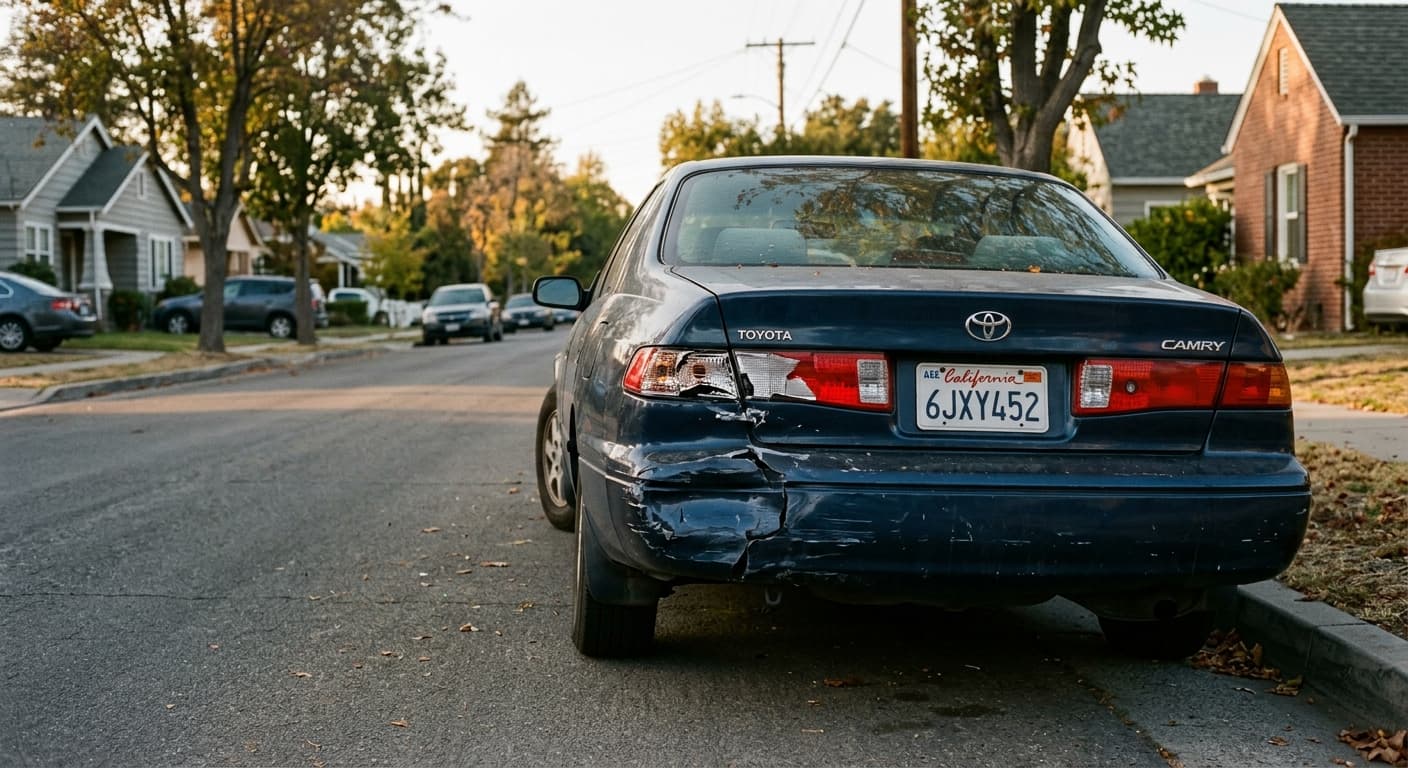
Georgia law under O.C.G.A. 40-6-270 requires drivers to stop, identify themselves, and render aid after any crash. Leaving without complying is a misdemeanor for property damage or non-serious injury, with fines up to $1,000 and up to 12 months in jail, or a felony carrying 1 to 5 years if serious injury or death results.
Hurt in a hit-and-run? If the driver who hit you fled or had no insurance, your own uninsured/underinsured-motorist (UM/UIM) coverage may pay your injury claim. Estimate what it could be worth with our free Georgia Car Accident Settlement Calculator.
Understanding Georgia Hit and Run Laws
Last verified: March 2026. This guide reflects O.C.G.A. Title 40, Chapter 6, Article 12, including the impact of Georgia's 2025 tort reform (Senate Bill 68).
Georgia law requires every driver involved in a crash to stop at the scene, provide identification, and assist anyone who is injured. Leaving the scene without fulfilling these duties is a criminal offense with penalties that range from misdemeanor fines to felony imprisonment depending on the severity of the injuries.
This guide covers the full range of Georgia hit and run penalties, your legal obligations, statute of limitations, insurance rules, and available defenses.
Georgia Hit and Run Penalty Structure
Georgia classifies hit and run offenses based on the type and severity of injury or damage caused by the crash.

Property Damage or Non-Serious Injury (O.C.G.A. 40-6-270(c))
Leaving the scene of a crash that results in vehicle damage or injuries that do not qualify as "serious" is a misdemeanor. Penalties escalate with repeat offenses within a five-year window.
First conviction:
- Fine: $300 to $1,000 (cannot be suspended, stayed, or probated)
- Jail: Up to 12 months
- Points: 3 points on your driving record
Second conviction within five years:
- Fine: $600 to $1,000
- Jail: Up to 12 months
Third or subsequent conviction within five years:
- Fine: $1,000
- Jail: Up to 12 months
If paying the full fine would create an economic hardship, the judge may allow payment in installments through contempt proceedings or probation.
Serious Injury or Death (O.C.G.A. 40-6-270(b))
Knowingly failing to stop and comply with legal duties after a crash that causes serious injury or death is a felony.
- Prison: 1 to 5 years
- License suspension: Mandatory, determined by the Department of Driver Services
- Felony record: Permanent unless sealed or expunged
"Serious injury" under Georgia law generally means injuries creating a substantial risk of death, serious disfigurement, or protracted impairment of a bodily function. The distinction between "injury" and "serious injury" can significantly affect whether a case is charged as a misdemeanor or felony.
Striking an Unattended Vehicle (O.C.G.A. 40-6-271)
Hitting a parked or unattended vehicle and leaving without proper notice is a misdemeanor.
- Fine: Standard misdemeanor penalties apply
- Points: 3 points on your driving record
- Duty: You must either locate the owner or leave a written note with your name, address, and contact information in a visible location on the vehicle
Related Felony Charges
If a driver causes a crash and flees, prosecutors may pursue additional charges:
- Vehicular homicide in the first degree (O.C.G.A. 40-6-393(b)): If the driver caused the accident that resulted in death and left the scene, they face 3 to 15 years imprisonment.
- Serious injury by vehicle (O.C.G.A. 40-6-394): Causing serious bodily harm and leaving the scene is a felony carrying 1 to 10 years.
- DUI causing death or serious injury: Additional felony charges if the driver was impaired.
- Fleeing or attempting to elude police: Separate felony if law enforcement was present.
Your Legal Duties After a Crash
Under O.C.G.A. 40-6-270, every driver involved in a crash must take the following steps.
Stop immediately. Pull over at the scene or as close as possible without creating additional traffic hazards.
Remain at the scene. Stay until you have fulfilled all legal requirements or until law enforcement clears you to leave.
Provide your information. Give the other driver, property owner, or law enforcement officer your name, address, and vehicle registration number. Show your driver's license upon request.
Render reasonable assistance. Help anyone who is injured. This includes calling 911 and arranging transportation to a hospital if the person is visibly hurt, unconscious, or unable to communicate.
Call law enforcement. If the victim appears deceased, unconscious, or unable to speak, call emergency services immediately.
If You Hit an Unattended Vehicle
Under O.C.G.A. 40-6-271, if you collide with a parked or unattended vehicle:
- Stop immediately.
- Try to locate the vehicle's owner or operator.
- If you cannot find them, leave a written notice in a conspicuous place on the struck vehicle containing your name, address, and contact information.
- Report the incident to the nearest police station.
Mandatory License Suspension (O.C.G.A. 40-5-54)
Georgia mandates license suspension or revocation upon conviction of any vehicle-related felony. This includes:
- Hit and run involving serious injury or death
- Vehicular homicide
- Racing on highways
- Fleeing or attempting to elude police
The sentencing judge gives notice of the suspension at the time of conviction. The court forwards your license to the Department of Driver Services within 10 days. The department then determines the length of the suspension based on the offense and your driving history.
Drivers Under 21
Young drivers face additional consequences. Under Georgia law, a driver under 21 convicted of hit and run or leaving the scene of a crash receives:
- First offense: 6-month license suspension
- Second or subsequent offense: 12-month license suspension
Statute of Limitations
Filing deadlines apply to both criminal prosecution and civil lawsuits.
Civil Claims
- Personal injury: 2 years from the date of the accident
- Property damage: 4 years from the date of the accident
- Wrongful death: 2 years from the date of death
- Minor victims: The countdown begins when the victim turns 18
The discovery rule may extend these deadlines if the hit and run driver is identified after the original filing period has passed. However, you should not rely on this exception without consulting an attorney.
Criminal Prosecution
- Misdemeanor offenses: 2 years
- Felony offenses (serious injury or death): 4 years
- Vehicular homicide: No statute of limitations for murder charges; 4 years for vehicular homicide
Insurance Rules in Georgia
Georgia is an at-fault insurance state. The person who caused the crash is financially responsible for the damages.
Minimum liability coverage required:
- $25,000 per person for bodily injury
- $50,000 per accident for bodily injury
- $25,000 per accident for property damage
Modified comparative negligence. Georgia follows a modified comparative negligence rule. Your damages are reduced by your percentage of fault. If you are 50% or more at fault, you are barred from recovering any compensation.
Uninsured motorist coverage. Georgia does not require UM coverage, but insurers must offer it. If a hit and run driver is never identified, UM coverage is your primary path to compensation.
SB 68 impact (2025). Georgia's tort reform legislation (Senate Bill 68), signed April 2025, introduced several changes affecting civil claims from car accidents. Seatbelt nonuse is now admissible as evidence of comparative negligence. Trial bifurcation (splitting liability and damages into separate phases) is now available. These changes may affect how hit and run civil claims are litigated.
Juvenile Offenders
Minors face serious consequences for hit and run in Georgia.
- Less serious offenses are typically processed through the juvenile court system.
- Felony-level offenses (such as hit and run causing death or serious injury) may result in the juvenile being tried as an adult, facing adult sentencing including prison time.
If a minor under your care is involved in a hit and run, contact a defense attorney immediately and report the incident to law enforcement.
Common Defenses to Hit and Run Charges
Every case has unique facts. Common legal defenses include:
- Lack of knowledge: You did not know you were involved in an accident. This can apply in low-speed collisions or situations where the other vehicle made no visible contact.
- Involuntary departure: You did not leave the scene voluntarily (for example, you were forced to leave by another person).
- Safety concerns: You left because the other party acted aggressively or you feared for your physical safety.
- No injury or damage: The collision did not actually result in injury or property damage.
- Not the driver: Someone else was operating your vehicle at the time of the crash.
- Medical emergency: You left the scene to seek urgent medical care for yourself or a passenger.
- Compliance: You fulfilled all legal requirements (stopping, providing information, rendering aid) before leaving.
Important: Prosecutors can use police records and surveillance footage to establish fault. Do not admit fault at the scene. Provide your information as required by law, but wait to discuss the details of the crash with an attorney.
Georgia Traffic Crash Statistics
According to IIHS and NHTSA data for 2023:
- Total traffic deaths: 1,615
- Death rate: 14.6 per 100,000 population
- Deaths per 100 million vehicle miles: 1.28
- Pedestrian deaths: 310 (19%)
- Motorcyclist deaths: 196 (12%)
- Bicyclist deaths: 23 (1%)
- Urban crashes: 65% of fatalities
- Rural crashes: 35% of fatalities
Georgia's relatively high pedestrian death rate highlights the importance of stopping after any crash involving a person on foot. Failing to render aid in a pedestrian crash often leads to felony charges.
Related Georgia Laws
- Georgia Recording Laws
- Georgia Car Seat Laws
- Georgia Child Support Laws
- Georgia Lemon Law
- Georgia Sexting Laws
- Georgia Statute of Limitations
- Georgia Whistleblower Laws
- Georgia Dog Bite Laws
More Georgia Laws
Frequently Asked Questions
What should I do if someone hits my car and drives off in Georgia?
Call 911 immediately. Write down as much information as you can about the fleeing vehicle: make, model, color, license plate number, and a description of the driver. Collect contact information from any witnesses. Do not chase the fleeing driver. Take photos of the damage to your vehicle and the surrounding area. File a police report and contact your insurance company as soon as possible.
What happens if I plead no contest to a hit and run in Georgia?
A plea of nolo contendere (no contest) is treated the same as a guilty plea in Georgia for purposes of sentencing and license suspension. You will face the same penalties, including fines, jail time, and license suspension. The only difference is that a nolo plea generally cannot be used as an admission of liability in a separate civil lawsuit.
How long will my license be suspended for a felony hit and run?
The Department of Driver Services determines the suspension period based on the specific offense and your driving history. The court does not set the exact duration. For felony hit and run involving serious injury or death, suspension periods are typically lengthy. Drivers under 21 receive a minimum 6-month suspension for a first offense and 12 months for subsequent offenses.
Can I avoid jail time for a hit and run in Georgia?
For misdemeanor offenses involving only property damage or minor injury, judges have discretion in sentencing and may impose fines, probation, or community service instead of jail. For felony hit and run involving serious injury or death, the statute mandates imprisonment of 1 to 5 years. An experienced defense attorney may negotiate reduced charges in some circumstances.
Does Georgia's 2025 tort reform (SB 68) affect hit and run cases?
SB 68 primarily affects civil litigation, not criminal penalties. Key changes include allowing seatbelt nonuse as evidence of comparative negligence and permitting trial bifurcation. If you file a civil lawsuit against a hit and run driver, these reforms may affect how your damages are calculated and how fault is apportioned. The criminal penalties under O.C.G.A. 40-6-270 remain unchanged.
Injured in Georgia? Get a free case review from a personal-injury attorney
If someone else's negligence caused your injury, you may be owed compensation for medical bills, lost wages, and pain and suffering. Get a free, no-obligation review from a Georgia personal-injury attorney. Most work on contingency, so there is no upfront cost.
Updates
Corrected the vehicular-homicide citation for leaving the scene of a fatal accident from O.C.G.A. 40-6-393(a) (which covers DUI/reckless-driving/eluding-police predicates, not leaving the scene) to subsection (b), the actual leaving-the-scene offense. The stated 3-to-15-year penalty range was already correct.
Governing law re-checked for recent changes
The Law Behind This Article
This article rests on the statutory provisions below, held in our own legal record and retrieved from the official source. Tap a section to read the operative text.
Official Code of Georgia Annotated
§ 40-5-54Mandatory suspension of license; notice of suspension.In force
(a) The department shall forthwith suspend, as provided in Code Section 40-5-63, the license of any driver upon receiving a record of such driver's conviction of the following offenses, whether charged as a violation of state law or of a local ordinance adopted pursuant to Article 14 of Chapter 6…
Official text (excerpt) · last checked 2021-08-17 · Read the full text in our law library
Cited in 4 court opinions in our collectionLatest citing opinion in our collection: 2000
Opinions citing this section in our collection:
- State v. Rocco (Supreme Court of Georgia 1989, 259 Ga. 463)“…ee years upon the second conviction of an offense listed in OCGA § 40-5-54 within five years, and for the purposes…”
- Miles v. Shaw (Supreme Court of Georgia 2000, 272 Ga. 475)“…e was convicted of attempting to elude police officers, and OCGA § 40-5-54 (a) (5) states that DPS “shall... suspe…”
- Salomon v. Earp (Court of Appeals of Georgia 1989, 190 Ga. App. 405)“…viction for the purpose of license suspension. Under OCGA § 40-5-54 (a) (l) 1 and OCGA § 40-5-…”
Identified automatically from the court opinions citing this section — not a ranking of which case controls.
§ 40-6-270Hit and run; duty of driver to stop at or return to scene of accident.In force
(a) The driver of any vehicle involved in an accident resulting in injury to or the death of any person or in damage to a vehicle which is driven or attended by any person shall immediately stop such vehicle at the scene of the accident or shall stop as close thereto as possible and forthwith…
Official text (excerpt) · last checked 2021-08-17 · Read the full text in our law library
Cited in 117 court opinions in our collectionLatest citing opinion in our collection: 2026
Opinions citing this section in our collection:
- State v. Mondor (Supreme Court of Georgia 2019, 306 Ga. 338)“…and-run offense (Count 1), and hit and run in violation of OCGA § 40-6-270 (b) (Count 2). Mondor filed demurrers t…”
- Sevostiyanova v. State (Court of Appeals of Georgia 2012, 313 Ga. App. 729)“…tion (after a jury trial on June 8-9, 2009) of hit-and-run (OCGA § 40-6-270) and following too closely (OCGA § 40-6…”
- Gordon v. the State (Court of Appeals of Georgia 2015, 334 Ga. App. 633)“…2 See OCGA § 16-10-26. 3 See OCGA § 40-6-270. charge of making a false statement, a…”
Identified automatically from the court opinions citing this section — not a ranking of which case controls.
§ 40-6-271Duty upon striking unattended vehicle.In force
(a) The driver of any vehicle which collides with any vehicle which is unattended shall immediately stop and shall then and there either locate and notify the operator or owner of such vehicle of the name and address of the driver and owner of the vehicle striking the unattended vehicle or shall…
Official text (excerpt) · last checked 2021-08-17 · Read the full text in our law library
Cited in 25 court opinions in our collectionLatest citing opinion in our collection: 2023
Opinions citing this section in our collection:
- Sevostiyanova v. State (Court of Appeals of Georgia 2012, 313 Ga. App. 729)“…ry trial on June 15-16, 2009, of two counts of violation of OCGA § 40-6-271 (duty of a driver on striking an unatte…”
- Burden v. State (Court of Appeals of Georgia 1988, 187 Ga. App. 778)“…779 inal intent or that he did not comply with OCGA § 40-6-271 as soon as possible. A criminal…”
- FAIRWELL v. State (Court of Appeals of Georgia 2011, 311 Ga. App. 834)“…al court improperly instructed the jury that a violation of OCGA § 40-6-271 (a) occurs when an individual fails to…”
Identified automatically from the court opinions citing this section — not a ranking of which case controls.
§ 40-6-393Homicide by vehicle.In forcecited in 2 of our articles
(a) Any person who, without malice aforethought, causes the death of another person through the violation of subsection (a) of Code Section 40-6-163, Code Sections 40-6-390 through 40-6-391, or subsection (a) of Code Section 40-6-395 commits the offense of homicide by vehicle in the first degree…
Official text (excerpt) · last checked 2021-08-17 · Read the full text in our law library
Cited in 203 court opinions in our collectionLatest citing opinion in our collection: 2026
Opinions citing this section in our collection:
- State v. Jackson (Supreme Court of Georgia 2010, 287 Ga. 646)“…002) (“In order to be convicted of vehicular homicide under OCGA § 40-6-393, the conduct of the defendant must have…”
- Cunningham v. State (Supreme Court of Georgia 1985, 255 Ga. 35)“…that this code section when considered in conjunction with OCGA § 40-6-393 (a) creates a mandatory presumption in…”
- State v. Mondor (Supreme Court of Georgia 2019, 306 Ga. 338)“…th homicide by vehicle in the first degree, in violation of OCGA § 40-6-393 (b), predicated on a hit-and-run offens…”
Identified automatically from the court opinions citing this section — not a ranking of which case controls.
Also relied on in: Manslaughter Degrees Explained: First, Second, and Third
§ 40-6-394Serious injury by vehicle.In force
(a) As used in this Code section, the term "bodily harm" means an injury to another person which deprives him or her of a member of his or her body, renders a member of his or her body useless, seriously disfigures his or her body or a member thereof, or causes organic brain damage which renders…
Official text (excerpt) · last checked 2021-08-17 · Read the full text in our law library
Cited in 54 court opinions in our collectionLatest citing opinion in our collection: 2024
Opinions citing this section in our collection:
- Pecina v. State (Supreme Court of Georgia 2001, 274 Ga. 416)“…OCGA § 40-6-391 (a) (1), and serious injury by vehicle, OCGA § 40-6-394. He challenges the constitutionality of…”
- Wells v. State (Court of Appeals of Georgia 2009, 297 Ga. App. 153)“…he level of severity necessary to Constitute a violation of OCGA § 40-6-394. However, evidence that Dennis’s eye ha…”
- Taylor v. State (Court of Appeals of Georgia 2009, 295 Ga. App. 689)“…ary manslaughter, OCGA § 16-5-3; serious injury by vehicle, OCGA § 40-6-394; driving a vehicle with unsafe equipmen…”
Identified automatically from the court opinions citing this section — not a ranking of which case controls.
Search our full record of US law — 2.1 million sections, every state + federal →
Sources and References
- O.C.G.A. 40-6-270: Hit and Run; Duty of Driver to Stop (2024)(law.justia.com)
- O.C.G.A. 40-6-271: Duty Upon Striking Unattended Vehicle (2024)(law.justia.com)
- Georgia DDS: Points Schedule(dds.georgia.gov).gov
- Georgia DDS: TADRA Chapter 1 - License Suspension(dds.georgia.gov).gov
- Georgia DDS: Rule 375-3-3-.01 Penalties for Violations(dds.georgia.gov).gov
- Georgia Senate Bill 68 (2025): Tort Reform(legiscan.com)
- NHTSA Traffic Safety Data(nhtsa.gov).gov
- IIHS Highway Safety Data(iihs.org)