
Canada
Ontario Restraining Orders: FLA Section 46 and CLRA Section 35 Explained
Independently fact-checked against primary sources (last audited August 16, 2026). · 7 primary sources cited on this page. How we verify our legal content
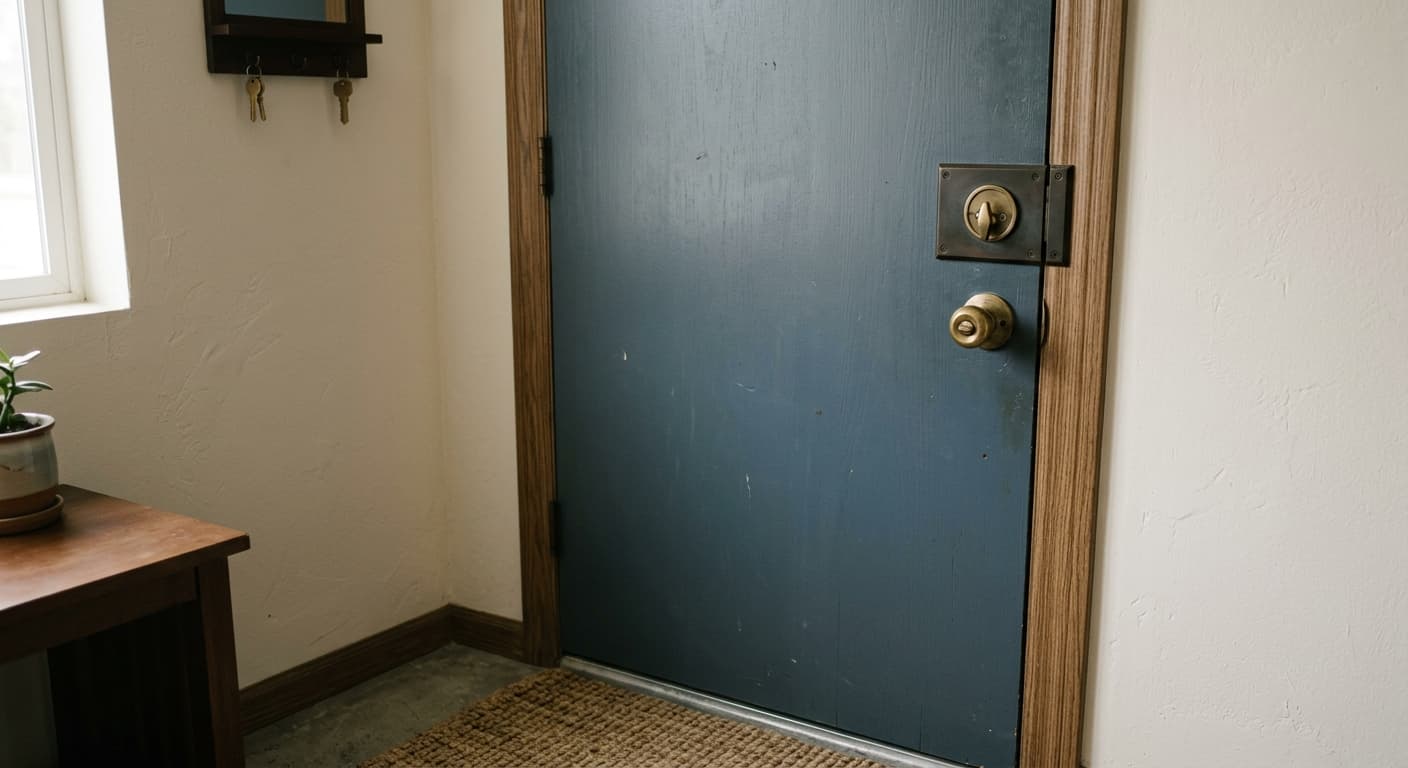
Ontario has no standalone emergency protection order statute; a restraining order here comes from one of two family law clauses, the Family Law Act's section 46 (limited to a spouse, former spouse, or someone you live or lived with) or the Children's Law Reform Act's section 35 (available against any person), both free to file and both enforceable as a criminal matter if broken.
Information last verified on 2026-08-15. This article has not yet been reviewed by a licensed lawyer.
If You're in Danger Right Now
Call 911. A restraining order takes time to obtain even on an urgent basis, and once granted it is a legal instrument the police enforce after it has been violated, not a physical barrier that stops someone from showing up. If you already have an order and the other person breaks it, Ontario's own guidance is direct: disobeying a restraining order is a criminal offence, and you should call the police. Ontario's family courts and Legal Aid Ontario can help with the paperwork described below, but nothing on this page is a substitute for getting to safety first. For 24/7 confidential support, Ontario's Victim Support Line is available at 416-314-2447 or toll-free at 1-888-579-2888, with interpreters where needed.
Ontario Has No Emergency Protection Order Law
Some provinces have a dedicated statute built specifically for urgent family-violence safety orders. Ontario does not. Reading the full current text of both the Family Law Act (R.S.O. 1990, c. F.3) and the Children's Law Reform Act (R.S.O. 1990, c. C.12) turns up no separate short-form emergency-order Act, no dedicated emergency court list, and no designated-agent emergency-application regime of the kind some other provinces run. What Ontario has instead is a set of tools spread across ordinary family and criminal law: a restraining order under FLA section 46 or CLRA section 35, an exclusive possession order over the matrimonial home under FLA section 24, a peace bond under the federal Criminal Code, and whatever conditions a criminal court attaches to bail after an arrest. The rest of this page walks through the two restraining order sections, since they are the tool most people are actually looking for. For how Ontario's approach compares to the rest of the country, see the Canada-wide restraining order ladder.
Two Different Restraining Orders: Who Can You Get One Against?
Ontario's restraining order is not one law, it is two, and which one applies depends entirely on your relationship to the person you are afraid of.

Family Law Act section 46 lets the court make an interim or final restraining order against a spouse or former spouse, or a person other than a spouse who is or has been living with the applicant for any period of time, where the applicant has reasonable grounds to fear for their own safety or the safety of a child in their lawful custody.
Children's Law Reform Act section 35 uses almost identical wording, reasonable grounds to fear for your own safety or a child's, but drops the relationship requirement entirely: it can be made against any person. In practice this is the section that applies when the fear is tied to a child but the person you are afraid of is not a spouse or someone you have lived with, an ex-partner's new partner, or another family member, for example.
Ontario's own plain-language guidance collapses the two statutes into a simple test for the public: were you married to or living with the person, or do you have a child with them? If neither is true, the government's own page states it plainly: you cannot get a restraining order against someone you have never lived with and do not have children with, but you can ask a court for a peace bond, which can be sought against anyone. That gap is intentional, and it routes non-partner, non-parental fear cases to the criminal peace bond process described further down this page rather than to family court.
What the Order Can Require
FLA section 46 spells out what a restraining order can contain: a prohibition on direct or indirect contact or communication with the applicant or a child in the applicant's lawful custody; a requirement to stay a specified distance away from one or more named locations; exceptions to either of those, if the court allows them; and any other provision the court considers appropriate. CLRA section 35 was enacted in the same 2009 legislative package and follows the same structure. Because the order is written to the specific situation, its exact terms, who cannot be contacted, what places are off-limits, and any carve-outs, vary case by case rather than following a fixed template.
Getting an Order Without Notice, on an Urgent Basis
Ontario's Family Law Rules allow a motion to be made without notifying the other person first where the nature of the situation makes notice unnecessary or not reasonably possible, there is immediate danger a child will be removed from Ontario, there is immediate danger to the health or safety of a child or of the applicant and the delay of serving notice would likely have serious consequences, or serving notice itself would likely have serious consequences. There is a dedicated form for this specific outcome, discussed below.
An order granted this way is not the end of the process. It has to come back before the court, if possible the same judge, within 14 days or on a date the court sets, and it must be served on the other party immediately unless the court says otherwise. In other words, a without-notice order buys urgent, short-term protection, but the other side gets their say in court soon after.
The Forms You'll Use
Ontario's Family Law Rules forms table names four forms that carry a restraining order case through the system:
- Form 8, Application (general) starts the case and is where you ask the court for the order.
- Form 25F, Restraining order, is the order itself when the other party was given notice.
- Form 25G, Restraining order on motion without notice, is the order itself when it was granted urgently, without notifying the other party first.
- Form 25H, Order terminating restraining order, ends an order that is no longer needed or wanted.
All three order forms (25F, 25G, 25H) have been in force since September 2009; Form 8's current version is dated June 2025. A local family court office or duty counsel can help identify exactly which forms and supporting materials a specific situation needs.
Cost: Restraining Orders Are Free, Exclusive Possession Is Not
Ontario's court fee regulation is direct on this point. Filing a family law application generally costs $214, but the regulation carves out a specific exemption: no fee is charged for filing an application, an answer, or placing a matter on the hearing list under the Children's Law Reform Act, or under the Family Law Act except Parts I and II. A section 46 restraining order sits outside those two excluded Parts, and every CLRA proceeding is exempt outright with no carve-out at all. That means a restraining order application under either section 46 or section 35 is free to file, in either the Ontario Court of Justice or the Superior Court of Justice Family Branch.
The carve-out matters, though, because FLA Part II is the matrimonial home Part, which is where exclusive possession orders live (covered next). An exclusive possession application does not get the same fee exemption a plain restraining order does, so budget differently for the two.
Exclusive Possession of the Home: A Related but Separate Tool
FLA section 24 lets a court award one spouse exclusive possession of the matrimonial home, regardless of whose name is on the title, effectively excluding the other spouse from the property. It is not the same tool as a section 46 or section 35 restraining order and it is not available to non-spouses, but the two are often sought together because both address physical safety and access.

What sets section 24 apart is that it carries its own built-in offence clause, something neither restraining order section has. Violating an exclusive possession order is itself a criminal offence under the Family Law Act: a first offence carries a fine of up to $5,000 or up to three months in jail, or both; a second or later offence carries a fine of up to $10,000 or up to two years in jail, or both. A police officer may arrest a person without a warrant if the officer has reasonable and probable grounds to believe the person violated the order.
What Happens If a Restraining Order Is Broken
This is the point where the two family-law tools diverge sharply, and it is worth being precise about it. FLA section 46 and CLRA section 35 restraining orders contain no penalty clause of their own anywhere in either statute's text, unlike section 24's exclusive possession order, which spells out its own fines and jail terms as shown above.
Because the restraining order sections are silent on punishment, a breach falls to the Criminal Code's general backstop for disobeying a court order, section 127: anyone who, without lawful excuse, disobeys a lawful court order is guilty of an offence, unless a punishment or other procedure is expressly provided elsewhere by law, an indictable offence carrying up to two years in prison, or an offence punishable on summary conviction. That "unless expressly provided" language is exactly why section 24 exclusive possession orders are not prosecuted this way (they have their own express penalty) while section 46 and section 35 restraining orders are (they have none). Ontario's own consumer-facing guidance backs this reading up directly: disobeying a restraining order is a criminal offence, and the recommended response is to call the police.
One mechanism this should not be confused with is the peace bond, covered next. A peace bond's breach is prosecuted under a different Criminal Code section entirely; it is not interchangeable with the disobeying-a-court-order route that applies to a family court restraining order.
If You Don't Qualify: Peace Bonds
If you have never lived with the person you fear and do not have a child with them, neither FLA section 46 nor CLRA section 35 is available to you, by Ontario's own admission. The fallback is a peace bond, a Criminal Code recognizance that can be sought against any person and runs through the criminal court system rather than family court. A peace bond starts with information laid before a justice, not a family law application, and it is a genuinely different legal track from everything else described on this page. For the underlying criminal law that can also apply alongside a restraining order or peace bond, see domestic violence laws in Canada.
A Pending Change That Isn't Law Yet
A 2025 amendment (2025, c.6) to both the FLA and CLRA restraining order sections has been passed but is not in force. Ontario's own statute text flags it as taking effect "on a day to be named by order of the Lieutenant Governor in Council," with no date set as of this writing. The change would broaden who can apply, currently only the person who is afraid can bring the application, but the amendment would add a person prescribed by regulation applying with that person's consent, and any person applying with the court's permission. Until it is proclaimed and the supporting regulations exist, the law described on this page, application by the person in danger only, remains current. Anyone reading about this change elsewhere should check whether it is describing the future version of the law or the one actually in force today.
How This Fits With Divorce, Separation, and Parenting
A restraining order is a safety tool, not a substitute for resolving the underlying family law issues. If the relationship is ending, see divorce in Canada or, for couples who were not married, separation agreements in Canada and common law relationships in Ontario. Where children are involved, a restraining order can run alongside, but does not replace, a parenting time and decision-making arrangement. And if a restraining order case generates a court file you need to locate later, see how court records work in Ontario.

Disclaimer
This article is informational only and is not legal advice. If you are in immediate danger, call 911; if an existing restraining order has been broken, Ontario's own guidance is to call the police. A 2025 amendment broadening who may apply for a restraining order has passed but is not yet in force, and the court-jurisdiction split between the Ontario Court of Justice and the Superior Court of Justice for a given restraining order application depends on locality and was not independently verified to a precise mapping for this page. Laws, forms, and fees change; confirm current requirements with Ontario's family court services or a licensed family lawyer before relying on this page. If you are in immediate danger, call 911. For 24/7 confidential support in Ontario, contact the Victim Support Line at 416-314-2447 or toll-free at 1-888-579-2888.
Frequently Asked Questions
Does Ontario have an emergency protection order like other provinces?
No. Ontario has no standalone emergency protection order statute. Its safety tools are a restraining order under Family Law Act section 46 or Children's Law Reform Act section 35, exclusive possession of the matrimonial home under FLA section 24, and the federal Criminal Code peace bond.
What is the difference between an FLA section 46 and a CLRA section 35 restraining order?
FLA section 46 can only be sought against a spouse, former spouse, or someone you are or were living with. CLRA section 35 has no such limit and can be sought against any person, which makes it the route when the person you fear is not a spouse or partner but the situation involves a child, such as an ex-partner's new partner or another relative.
How much does it cost to file for a restraining order in Ontario?
Nothing. Ontario's court fee regulation exempts Children's Law Reform Act proceedings outright and exempts Family Law Act proceedings other than Parts I and II. A section 46 or section 35 restraining order application falls outside those excluded Parts, so it is free to file. Exclusive possession of the matrimonial home is a separate application that is not covered by the same exemption.
Can I get a restraining order in Ontario without notifying the other person first?
Yes, in urgent circumstances, using a without-notice motion under the Family Law Rules and a dedicated form, Form 25G. An order made this way must come back before the court, usually the same judge, within 14 days, and must be served on the other party immediately unless the court orders otherwise.
What happens if someone breaks a restraining order in Ontario?
Section 46 and section 35 restraining orders have no penalty clause of their own, so a breach is prosecuted under the Criminal Code's general offence of disobeying a court order. Ontario's own guidance tells people to call the police if a restraining order is violated. Exclusive possession orders are different: they carry their own separate offence clause with specific fines and jail terms.
I've never lived with the person I'm afraid of and we don't have a child together. What can I do in Ontario?
By Ontario's own stated rule, neither the FLA section 46 nor the CLRA section 35 restraining order is available in that situation. The available option is a peace bond, a Criminal Code recognizance that can be sought against any person through the criminal court system rather than family court.
Updates
Independently fact-checked against the cited primary sources
Sources and References
- Family Law Act, R.S.O. 1990, c. F.3(ontario.ca).gov
- Children's Law Reform Act, R.S.O. 1990, c. C.12(ontario.ca).gov
- Family Law Rules, O. Reg. 114/99(ontario.ca).gov
- O. Reg. 293/92, Administration of Justice Act fee regulation(ontario.ca).gov
- Criminal Code, s.127, Disobeying order of court(laws-lois.justice.gc.ca).gov
- Ontario.ca - Getting a Restraining Order(ontario.ca).gov
- Ontario.ca - Victim Services Ontario (Victim Support Line)(ontario.ca).gov