
Canada
E-Scooter Laws in Yukon, the Northwest Territories, and Nunavut
Independently fact-checked against primary sources (last audited August 14, 2026). · 10 primary sources cited on this page. How we verify our legal content
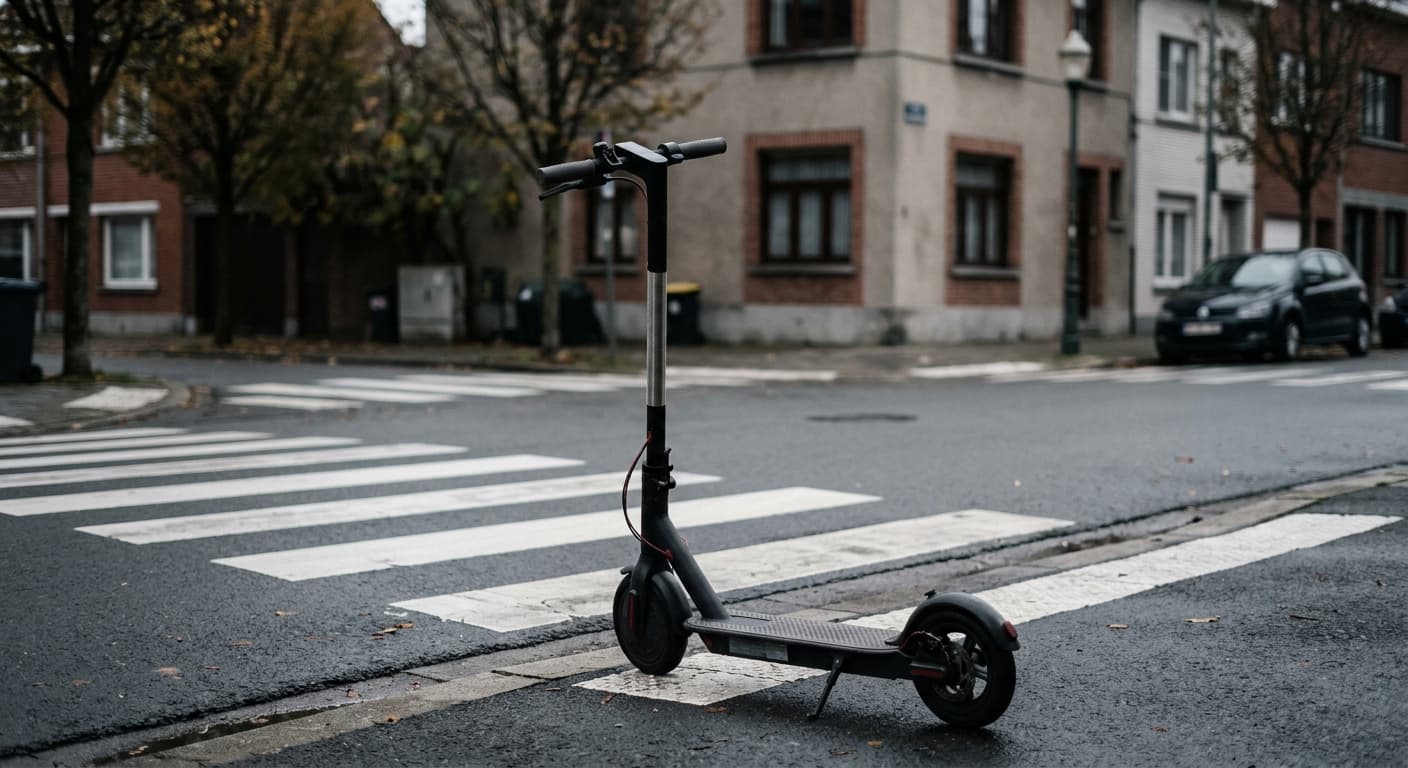
No territory, Yukon, the Northwest Territories, or Nunavut, has passed an e-scooter law, pilot program, or regulation, so a standing electric kick scooter is governed only by each territory's general, decades-old definition of "motor vehicle," and on a strict reading none of the three exempts it.
The Core Problem in All Three Territories
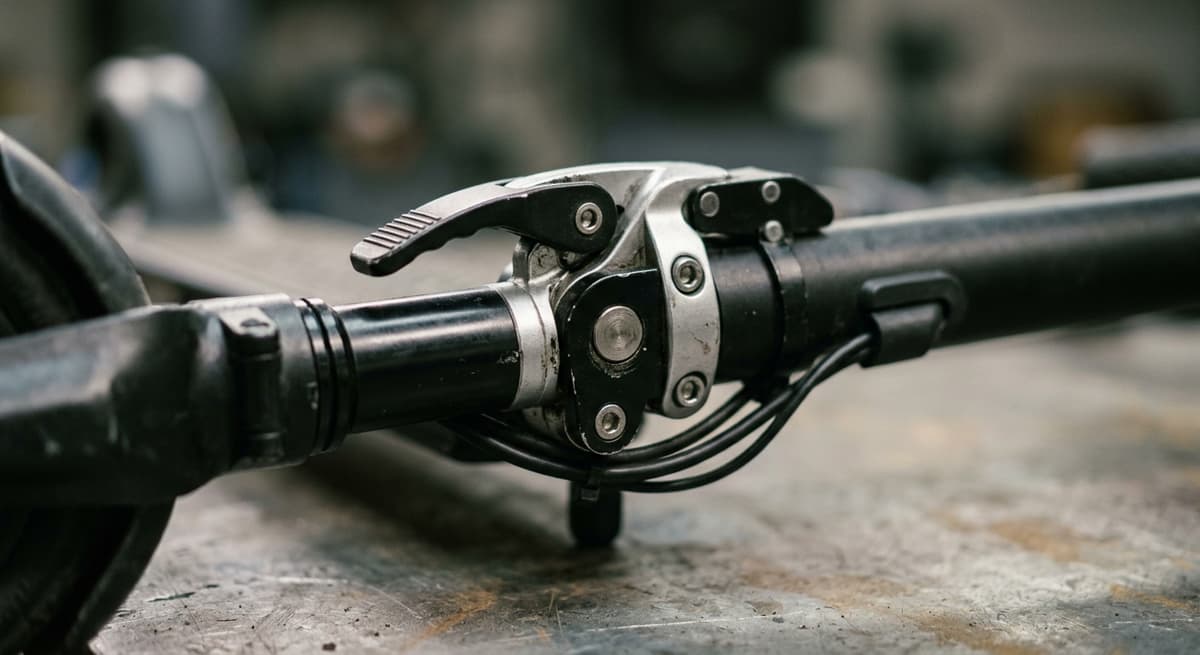
Each territory's motor vehicle statute defines "motor vehicle" broadly, then carves out narrow exemptions for things like bicycles, wheelchairs, and (in Yukon and Nunavut) pedal-equipped electric cycles or mopeds. A standing electric kick scooter has no pedals and no seat of the kind those exemptions require, so it does not fit the carve-out language written for e-bikes and mopeds.
That leaves it inside the general "motor vehicle" definition by default. Because an e-scooter cannot practically be registered, plated, or insured the way a car can, being classified as a "motor vehicle" functions as a de facto ban rather than a permit-with-conditions. No territory has an active prohibition naming e-scooters. The breadth of the existing definition simply leaves no other category for one to fall into.
Yukon: An Unresolved Statutory Question
Yukon's Motor Vehicles Act, RSY 2002, c.153, defines "motor vehicle" as anything self-propelled other than by muscular power, except an "excluded motor vehicle." The excluded list includes an "electric power-assisted cycle," but that term requires, among other things, steering handlebars and pedals and the ability to be propelled by muscular power. A stand-up kick scooter has no pedals, so it does not qualify.
The excluded list also includes a "personal mobility device," capped at 20 km/h, which by its own text includes wheelchairs, man lifts, and something called a "personal transporter." That last term is the one plausible escape route for an e-scooter, but the Act itself never defines "personal transporter," and a search of Yukon's regulation index found no regulation prescribing what the term covers.
This is a genuine, sourced ambiguity in the statute, not a research gap that further searching would resolve. If "personal transporter" is read to include e-scooters, they are a personal mobility device with no registration or insurance requirement. If it is not, they fall inside the general "motor vehicle" definition instead. Yukon's own law does not say which reading is correct, and this page does not pick a side.
Whitehorse's E-Bike Bylaw: The One On-Point Instrument, With a Gap
Whitehorse is the only municipality in any of the three territories with a bylaw that actually names and regulates e-scooters: Bylaw 2021-22, the E-Bike Regulation Bylaw, passed under powers granted by the Municipal Act and Motor Vehicles Act s.126.
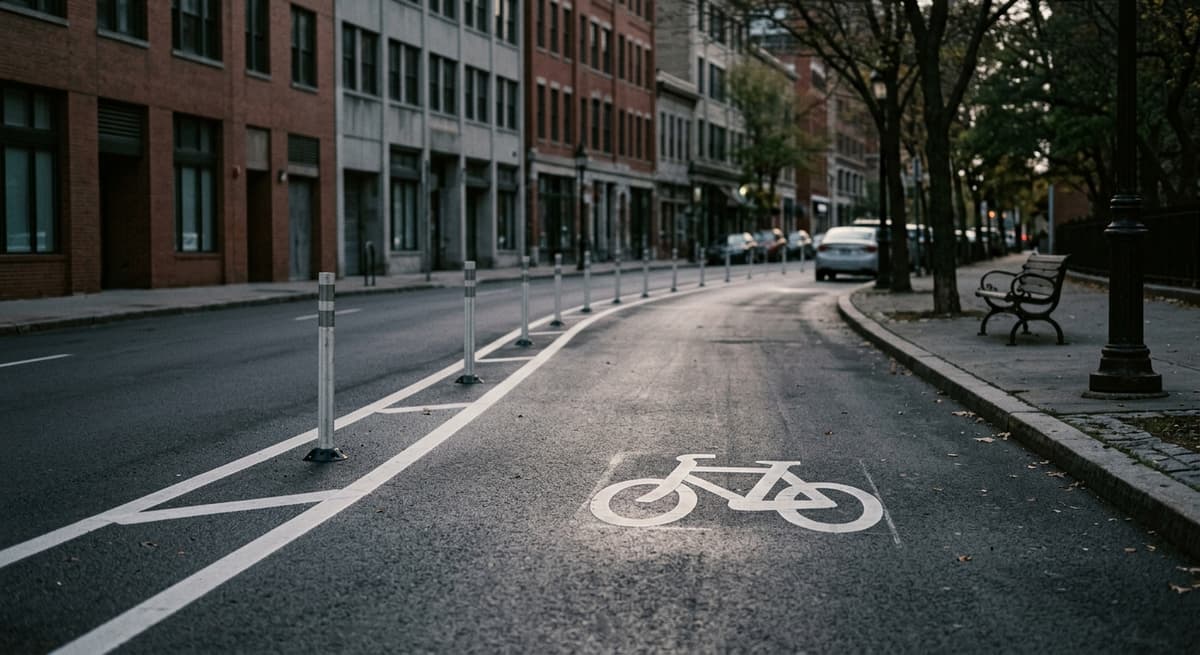
The bylaw defines an "e-scooter" as a device with a standing surface, one or more electric motors, steering handlebars, no more than three wheels, and the ability to be propelled by muscular power. It requires a helmet for every rider and passenger, restricts e-scooters to Type 1 trails, motorized multi-use trails, and bicycle lanes (a narrower list than the trails open to e-bikes), bans sidewalk riding with limited crossing exceptions, and bans riding in the Central Business District outright. Officers can stop a rider, demand ID, and impound a device for up to 10 days. Fines include $50 for no helmet and $300 for riding a sidewalk in the CBD.
Here is the gap: the bylaw explicitly declares that Class 1, 2, and 3 e-bikes and adaptive mountain bikes are "not considered a Motor vehicle" for its own purposes. It never makes that same declaration for e-scooters, even though it regulates them throughout as if they were a legal category the City can permit. That leaves a real, sourced tension between what Whitehorse actually does (license e-scooters to ride specific trails and lanes) and what Yukon's territorial Act would otherwise call one (a "motor vehicle" that cannot be registered or insured). This should be read as an open legal question, not settled law.
Northwest Territories: The Strictest Default
NWT's Motor Vehicles Act, RSNWT 1988, c.M-16, is current to an amendment in force March 21, 2025. A full-text search of the consolidation, more than 16,500 lines, returned zero matches for "electric," "assisted," "e-bike," "moped," or "scooter." The Act defines "motor vehicle" as anything propelled by power other than muscular power, excluding only aircraft, marine vehicles, all-terrain vehicles, rail devices, and mechanically propelled wheelchairs. There is no pedal-cycle exemption of any kind, not even for e-bikes.
That makes NWT the strictest of the three territories. An electric kick scooter fits none of the narrow exclusions, so it is a "motor vehicle" by definition, full stop, triggering the Act's licensing, registration, and insurance requirements that a scooter cannot practically satisfy. This is a de facto ban by definitional default, not an active prohibition naming e-scooters.
Yellowknife's bylaws listing shows one traffic-related bylaw, Highway Traffic Bylaw #319 from 1994, decades before e-scooters existed as a consumer product. Its actual text was not reviewed for this page, only the listing that names it, so a later amendment adding scooter-specific language cannot be ruled out. No dedicated e-bike or e-scooter bylaw comparable to Whitehorse's was found for Yellowknife.
Nunavut: A Renamed Statute and a Narrow Miss
Nunavut's governing statute is not called the Motor Vehicles Act anymore. It was substantively amended and renamed the Traffic Safety Act, in force December 31, 2018. The consolidation reviewed here is current to December 6, 2019; Nunavut's own legislation site flags further amendments through 2025 and 2026 that are not yet folded into that text, so treat this as a currency-limited snapshot rather than the final word.
The Act's "motor vehicle" definition mirrors NWT's: anything power-propelled other than by muscular power, excluding aircraft, marine vehicles, ATVs, rail devices, and mechanically propelled wheelchairs. "Bicycle" requires pedals and a rider who sits astride. "Moped" is the interesting category: it explicitly allows an electric motor, but only for a vehicle with a seat or saddle at least 650mm off the ground.
A standing kick scooter fails both tests. It has no pedals, so it is not a "bicycle," and it has no seat, so it is not a "moped" even though Nunavut's law shows the legislature turned its mind to electric-motor two- and three-wheelers at least once. The result is the same practical default as NWT: an e-scooter falls into the residual "motor vehicle" category, which it cannot practically satisfy.
Iqaluit's All-Terrain Vehicle By-Law 557 is the closest thing to a local instrument. It defines "all-terrain vehicle" to include "a pedal bike with motor attachment," which sweeps a pedal e-bike into the municipal ATV regime, registration, plate, and insurance required, with fines up to $500 or 30 days for violations. But a typical two-wheeled kick scooter is not a pedal bike with a motor, and the by-law's other catch-all clause only reaches vehicles on three or more wheels. A standing e-scooter most likely falls outside Iqaluit's ATV by-law altogether and reverts to the territorial Traffic Safety Act default described above. Iqaluit's own bylaws index page could not be loaded to confirm whether any newer, separate bylaw exists.
Enforcement in Practice
No enforcement data specific to e-scooter riding has been published for Yukon, the Northwest Territories, or Nunavut. Searches of RCMP releases covering M Division (Yukon), G Division (NWT), and V Division (Nunavut) turned up no on-point statement; every substantive RCMP e-bike or e-scooter media release found in this research came from a BC or Manitoba detachment instead. That is a well-evidenced absence based on the searches actually run, not a confirmed guarantee that no local advisory exists anywhere, since detachment social pages are not fully indexed by search. In Whitehorse, the bylaw itself names City Bylaw Services, not the RCMP, as the enforcement body.
Consequences That Don't Depend on Being Ticketed
An absence of published enforcement data is not permission to ride without consequence. A standard auto or property insurance policy is unlikely to cover a vehicle that cannot legally be registered or plated in the first place, which means a rider hurt in a collision, or a rider who hurts someone else, may find no coverage standing behind them. Civil liability for a collision does not depend on whether police were watching.
Whitehorse's bylaw makes impoundment a live risk specifically: an officer can hold a device for up to 10 days, or until any charge is resolved, regardless of how the surrounding legal question about "motor vehicle" status eventually gets answered. And across all three territories, non-enforcement is not a defence. A rider stopped tomorrow is charged under the law as written, whatever definition a court or regulator later settles on, not under the law as it has usually been policed.
The Federal Layer: Why the Rules Differ by Region
Transport Canada states plainly that "power-assisted bicycles, scooters and electric or low-speed all-terrain vehicles are not federally regulated ... In Canada, these vehicles fall under provincial or territorial jurisdictions." That single sentence is the practical reason e-scooter rules vary this much from one Canadian jurisdiction to the next: there is no national on-road e-scooter law to default to.
The federal government's role is narrower and different in kind: it sets manufacturing and import safety standards, while provinces and territories regulate drivers and vehicle use on their own roads through their own traffic acts. Under Transport Canada's framework, a power-assisted bicycle or e-scooter designed to run at or below 32 km/h is treated as non-regulated at import; one that exceeds that speed, or that resembles a motorcycle or scooter in the trade sense, can be assessed and treated as a regulated motor vehicle instead. This import-side framework does not preempt, and does not resolve, how each territory's own "motor vehicle" definition treats an e-scooter on the road.
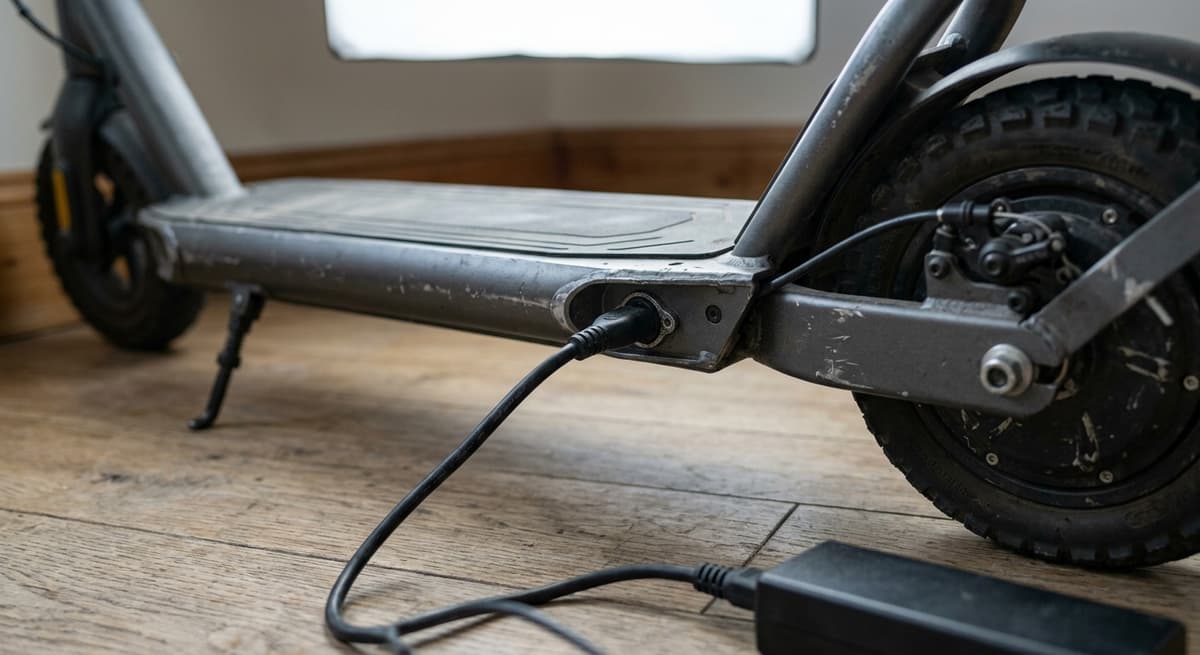
Separately, Health Canada and Transport Canada issued a joint public advisory on May 11, 2023 warning that misuse or modification of lithium-ion batteries in e-mobility devices, including e-scooters, e-bikes, and hoverboards, can be extremely dangerous, and directing safety concerns to Transport Canada's Defect Complaints and Recalls Hotline. That advisory is general and names no specific product or recall.
Frequently Asked Questions
Is it legal to ride an e-scooter in Yukon?
It is genuinely unresolved. Yukon's Motor Vehicles Act excludes an undefined term, personal transporter, from the definition of motor vehicle, and no regulation has been found that says what that term covers. Depending on the reading, an e-scooter is either an unregulated personal mobility device or a motor vehicle that cannot practically be registered.
Is it legal to ride an e-scooter in the Northwest Territories?
On a strict reading, no. NWT's Motor Vehicles Act has no pedal-cycle or electric-vehicle exemption at all, so an e-scooter falls inside the general motor vehicle definition, which it cannot practically satisfy for registration or insurance.
Is it legal to ride an e-scooter in Nunavut?
The same practical default applies. Nunavut's moped definition allows an electric motor but requires a seat at least 650mm off the ground, which a standing kick scooter does not have, so it falls back into the general motor vehicle category.
Does Whitehorse's e-bike bylaw make e-scooters legal?
It regulates e-scooters in detail, permitted trails, mandatory helmets, a Central Business District sidewalk ban, but it never states, the way it does for e-bikes, that an e-scooter is not considered a motor vehicle under the territorial Act. That leaves the underlying legal status an open question even in Whitehorse.
Are e-scooters regulated federally in Canada?
No. Transport Canada treats on-road e-scooter rules as a provincial and territorial matter. Its own role is limited to manufacturing and import safety standards, which is why the on-road rules differ so much from one territory to the next.
What happens if you're stopped riding an e-scooter in one of the three territories?
Because no territory formally exempts an e-scooter, a rider can be treated as operating an unlicensed, unregistered, or uninsured motor vehicle under the general statute, or, in Whitehorse, can have the device impounded for up to 10 days under the municipal bylaw.
Updates
Independently fact-checked against the cited primary sources
Sources and References
- Yukon Motor Vehicles Act, RSY 2002, c.153 (full consolidation)(laws.yukon.ca).gov
- City of Whitehorse, E-Bike Regulation Bylaw 2021-22(whitehorse.ca).gov
- Northwest Territories Motor Vehicles Act, RSNWT 1988, c.M-16 (consolidation current to March 2025)(justice.gov.nt.ca).gov
- City of Yellowknife, bylaws listing(yellowknife.ca).gov
- Nunavut Traffic Safety Act, consolidation current to December 6, 2019(nunavutlegislation.ca).gov
- City of Iqaluit, All-Terrain Vehicle By-Law 557(iqaluit.ca).gov
- Transport Canada, background on product identification numbers for restricted-use vehicles(tc.canada.ca).gov
- Transport Canada, importing non-regulated vehicles(tc.canada.ca).gov
- Transport Canada, federal and provincial/territorial government responsibilities(tc.canada.ca).gov
- Health Canada / Transport Canada public advisory, lithium-ion batteries in e-mobility devices (May 11, 2023)(recalls-rappels.canada.ca).gov