
Data Privacy Laws
What Is the ICDPA? Iowa's Data Privacy Law Explained
The Iowa Consumer Data Protection Act (Iowa Code 715D) took effect Jan. 1, 2025. Its limited rights make it the most business-friendly U.S. state privacy law.
8 min read
Browse our full library of legal guides, state law breakdowns, and practical legal information.
14754 articles
Browse by Category →The Iowa Consumer Data Protection Act (Iowa Code 715D) took effect Jan. 1, 2025. Its limited rights make it the most business-friendly U.S. state privacy law.

Learn how to respond to a GDPR DSAR under Article 15: the one-month deadline, what data to provide, fees, refusals, and a step-by-step response workflow.

GDPR Articles 37-39 explained: the 3 mandatory DPO triggers, tasks, independence rules, conflict-of-interest bar, and fines for non-compliance.

GDPR Article 35 requires a DPIA before high-risk processing. Learn when it is mandatory, what it must contain, and when to consult your supervisory authority.
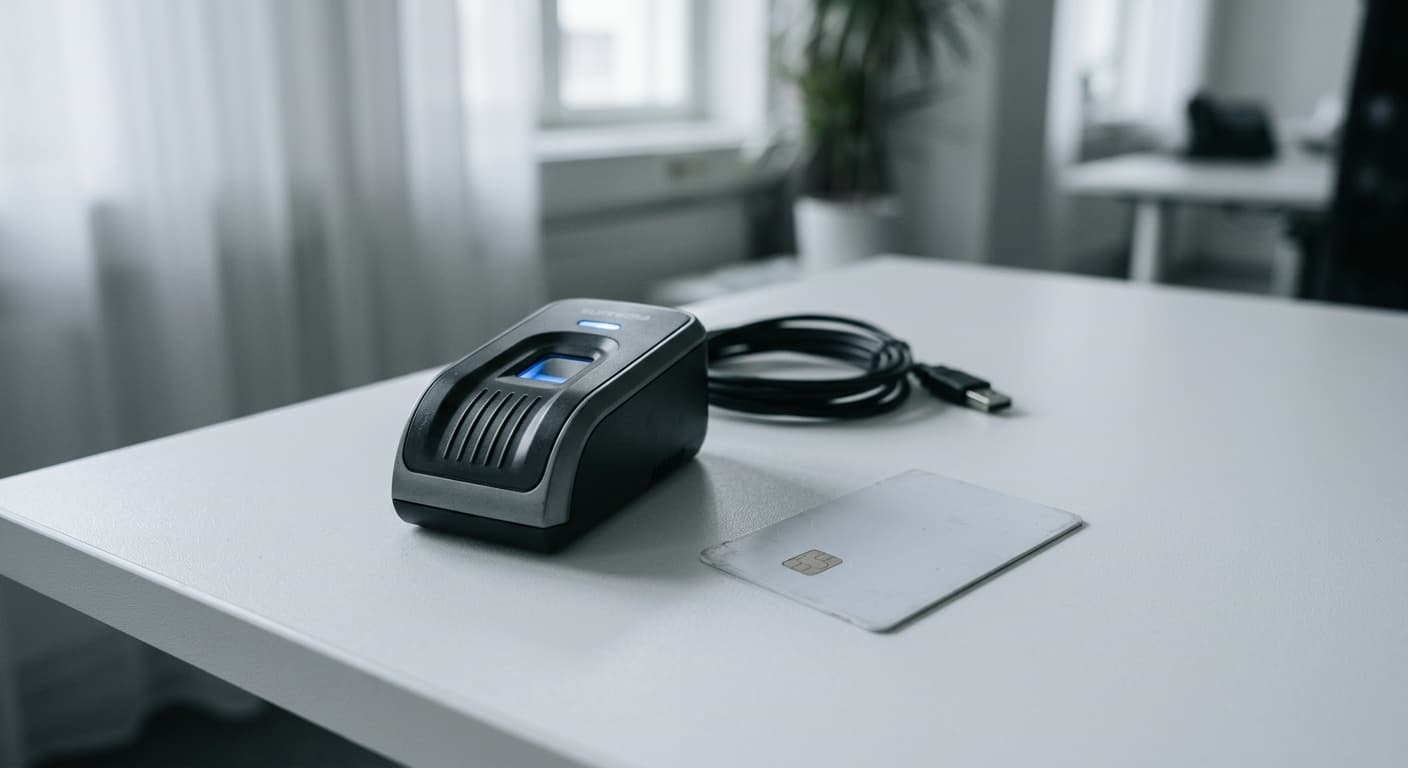
GDPR Article 28 requires a written DPA with every processor. Learn the 8 mandatory clauses, sub-processor rules, and consequences of non-compliance.

Connecticut's Public Act 26-64, signed May 27, 2026, requires signs at entrances where businesses use facial recognition for security. Here is what it does.

Colorado Gov. Polis signed SB26-051 on June 3, 2026, moving online age checks to the device operating system. It takes effect January 1, 2028.

MCDPA compliance (Mont. Code Ann. 30-14-2803): applicability at 25,000/15,000 thresholds, notice, opt-in, assessments. Cure period ended October 1, 2025.
Montana's MCDPA (Mont. Code Ann. 30-14-2808) gives access, correction, deletion, portability, and opt-out rights, with a 45-day response window.
The Montana Consumer Data Privacy Act (Mont. Code Ann. 30-14-2801) took effect Oct 1, 2024 and now carries the nation's lowest thresholds: 25,000/15,000.
Comply with Oregon's OCPA (ORS 646A.570 to 646A.589): applicability, privacy notice, sensitive-data opt-in, universal opt-out by Jan 1 2026, $7,500 penalties.
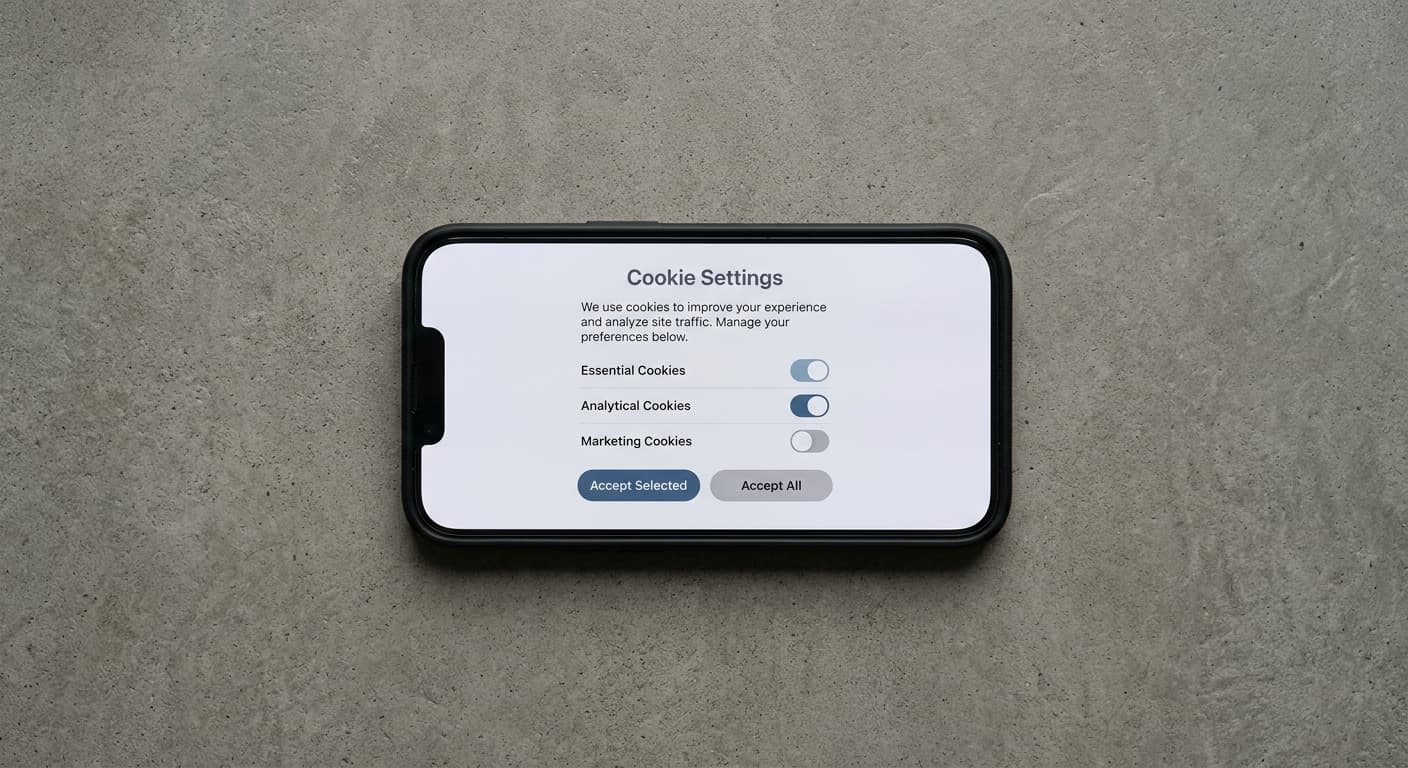
Oregon's OCPA (ORS 646A.574) gives access, deletion, opt-out, and a rare specific-third-party-list right. Controllers must respond within 45 days; appeals allowed.