Portugal E-Scooter Laws: Bicycle Rules and Seizure Sweeps (2026)
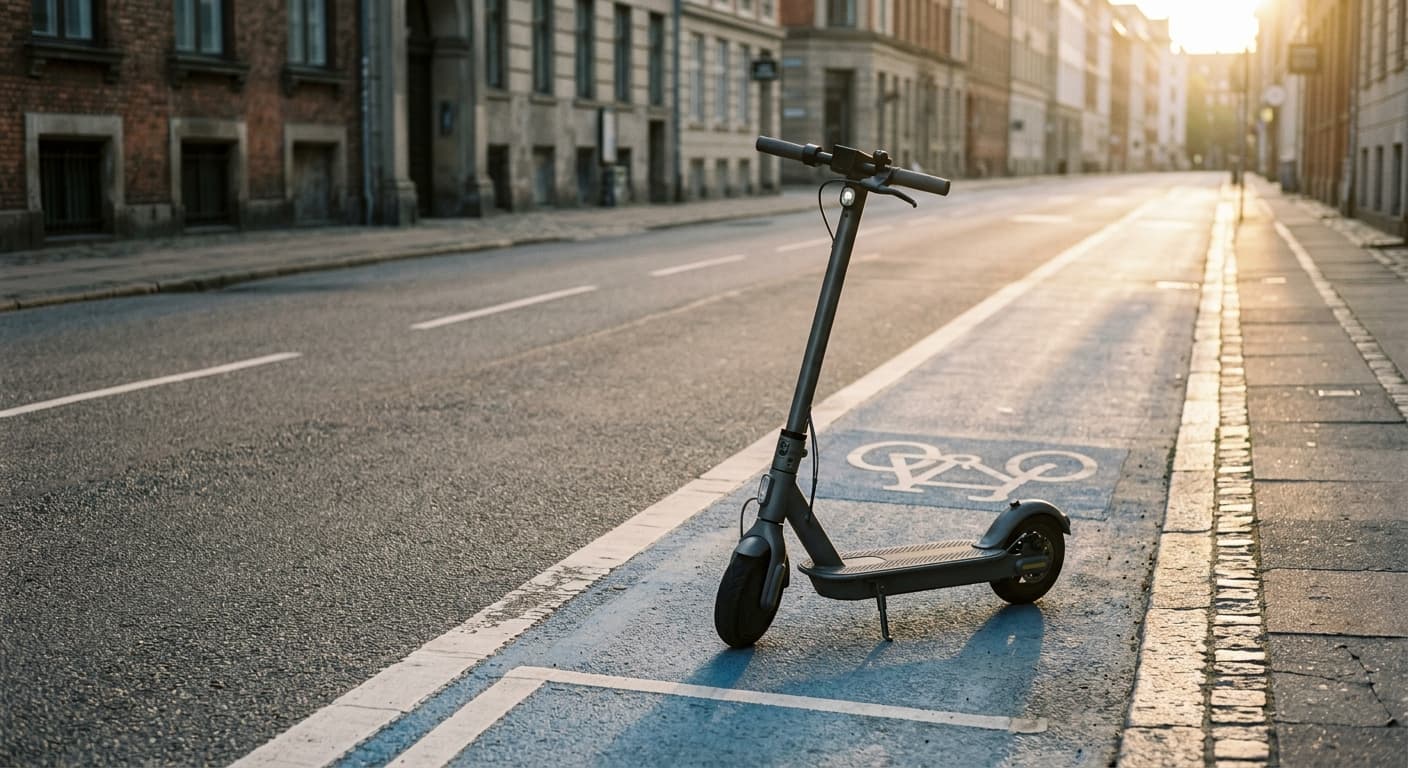
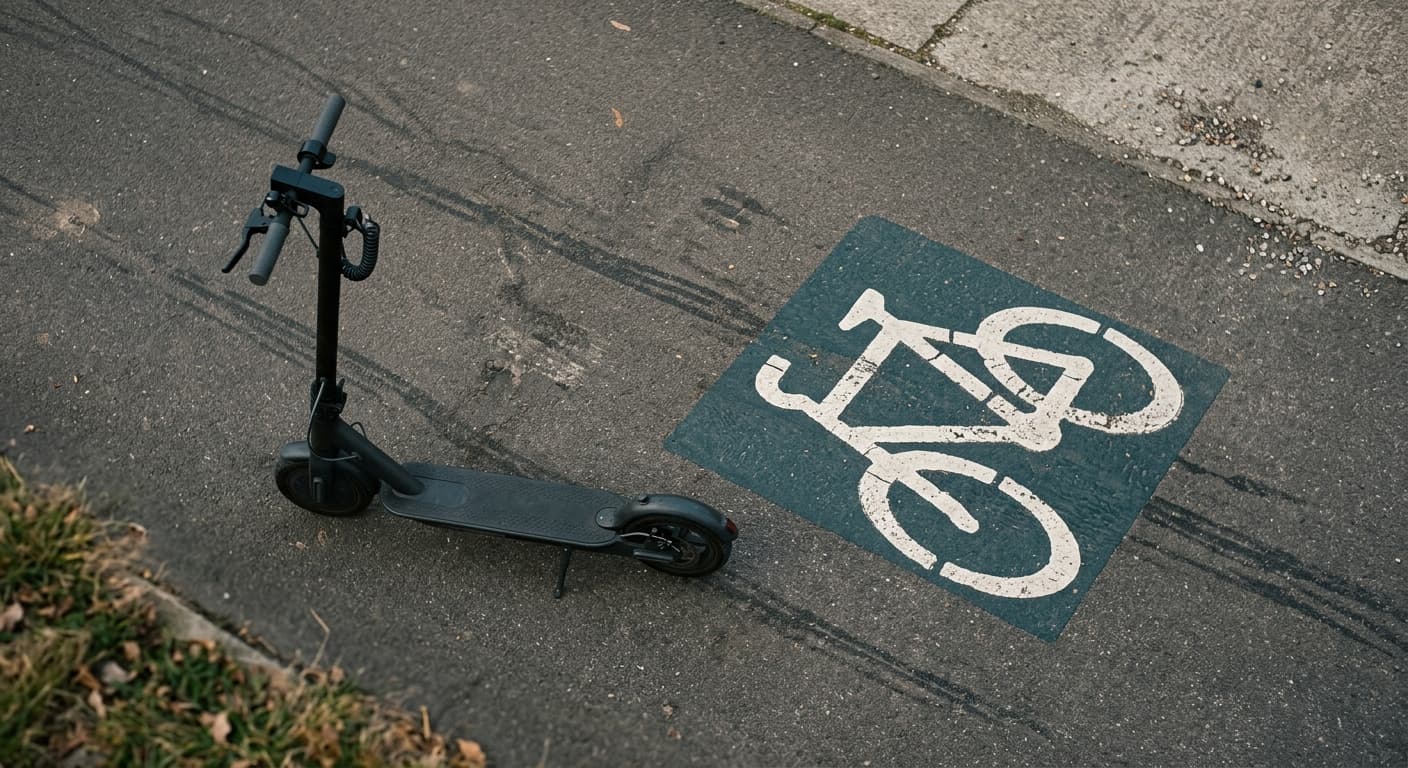
Portugal treats e-scooters capped at 0.25kW and 25 km/h as legal bicycle equivalents with no age or helmet rule, though exceeding those limits draws a fine and on-the-spot seizure.
Browse our full library of legal guides, state law breakdowns, and practical legal information.
13741 articles
Browse by Category →
Portugal treats e-scooters capped at 0.25kW and 25 km/h as legal bicycle equivalents with no age or helmet rule, though exceeding those limits draws a fine and on-the-spot seizure.

Qatar has no standalone e-scooter statute, but its Ministry of Interior treats scooters as bicycle-equivalent, requiring helmets and riding in designated areas, not vehicle lanes.

Romania sets a minimum e-scooter riding age of 14, caps devices at 25 km/h, and bans sidewalk riding except where a marked bike path runs along it, under OUG 195/2002.

Russia's traffic code has capped e-scooters at 25 km/h with a minimum age of 14 for sidewalk and pedestrian-zone use since March 2023, alongside growing local restrictions.

Rwanda replaced its road traffic law in March 2026 with a definition broad enough to cover e-scooters, but its vehicle-class and helmet rules are not yet published.

Saudi Arabia's SASO standard caps e-scooters at 25 km/h and bans use outside designated tracks. Rider rules and rental access vary city by city.

Senegal has no e-scooter statute, but Décret n° 2004-13's motor-vehicle definition sweeps a scooter in anyway, with a driving-permit rule that has no low-power exemption.

Slovakia currently requires e-scooter riders on public roads to be over 15, with no helmet mandate, ahead of a stricter small electric vehicle regime starting 1 September 2026.

Slovenia raised its e-scooter minimum age from 12 to 15 in February 2026, alongside a 25 km/h cap and fines up to 250 euros for exceeding pedestrian pace on shared paths.

South Korea has required at least a moped-class licence to ride a personal mobility device since May 2021, along with a mandatory helmet backed by a 20,000 won fine.

Sri Lanka's Motor Traffic Act defines motor vehicles broadly enough to include e-scooters with no power floor, requiring full registration, a driving licence, and insurance.

Sweden treats an e-scooter as a bicycle only below 20 km/h and 250 watts; exceed either limit and it legally becomes an unregistered moped barred from public roads and paths.