Guatemala E-Scooter Laws: Why the Traffic Code Doesn't Reach Them (2026)
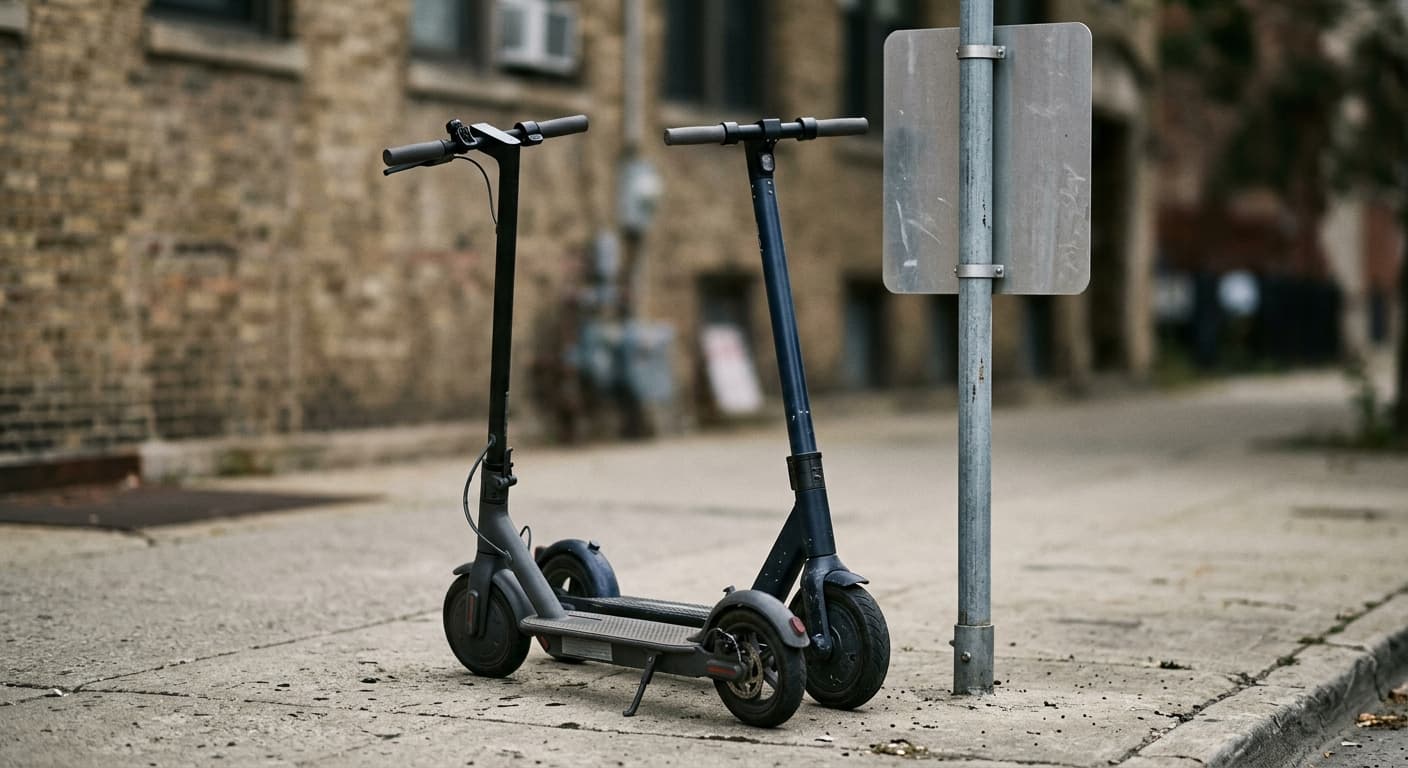
Guatemala's traffic code stops at a pedal-equipped motobicicleta category, so a standing e-scooter falls outside its vehicle taxonomy entirely, with no rule enacted.
Browse our full library of legal guides, state law breakdowns, and practical legal information.
13741 articles
Browse by Category →
Guatemala's traffic code stops at a pedal-equipped motobicicleta category, so a standing e-scooter falls outside its vehicle taxonomy entirely, with no rule enacted.

Grenada has never passed an e-scooter law. Its decades-old motor vehicle definition already reaches a powered scooter, with no lower-power exception found.

Ghana's Road Traffic Act sets an 18-plus age floor for an electrically assisted pedal cycle, though whether that reaches a standing e-scooter is unresolved.

In the country of Georgia, traffic law defines only self-balancing devices like Segways, leaving ordinary kick-scooters in a gap that Bolt's Tbilisi rentals fill informally.

Gabon applies the CEMAC road code, which has no separate moped category, so an electric scooter falls into its motor vehicle definition, requiring a permit and registration.

Fiji's Land Transport Act 1998 has no scooter or personal mobility device exception anywhere in its text, so its registration rules apply with no carve-out found.

Faroese traffic law has no dedicated e-scooter category, but its broad moped definition, covering any electric-motor two-wheeler, may sweep scooters in too.

The Falkland Islands is a British Overseas Territory with its own traffic ordinance, not UK law. It has no scooter-specific rule and no rental trial scheme.

Eswatini's Road Traffic Act defines motor vehicle as any self-propelled vehicle, and its pedestrian-controlled exclusion does not reach a stand-on e-scooter.

Equatorial Guinea is bound by the CEMAC community road code, which has no moped category and sweeps an electric scooter into full motor vehicle rules.

El Salvador has no e-scooter law. Its transport ministry has issued informal safety recommendations, but no licensing, age, or helmet rule exists yet.

The Dominican Republic regulates e-scooters under Decreto 256-20, exempting them from a licence but banning sidewalk riding and requiring a helmet, with a reported 20 km/h cap.