
South Dakota
South Dakota Lemon Law (2026): How to Qualify & Get a Refund
Independently fact-checked against primary sources (last audited August 17, 2026). · Reviewed by the RecordingLaw editorial team. · Law checked current as of August 17, 2026. · 13 primary sources cited on this page. How we verify our legal content
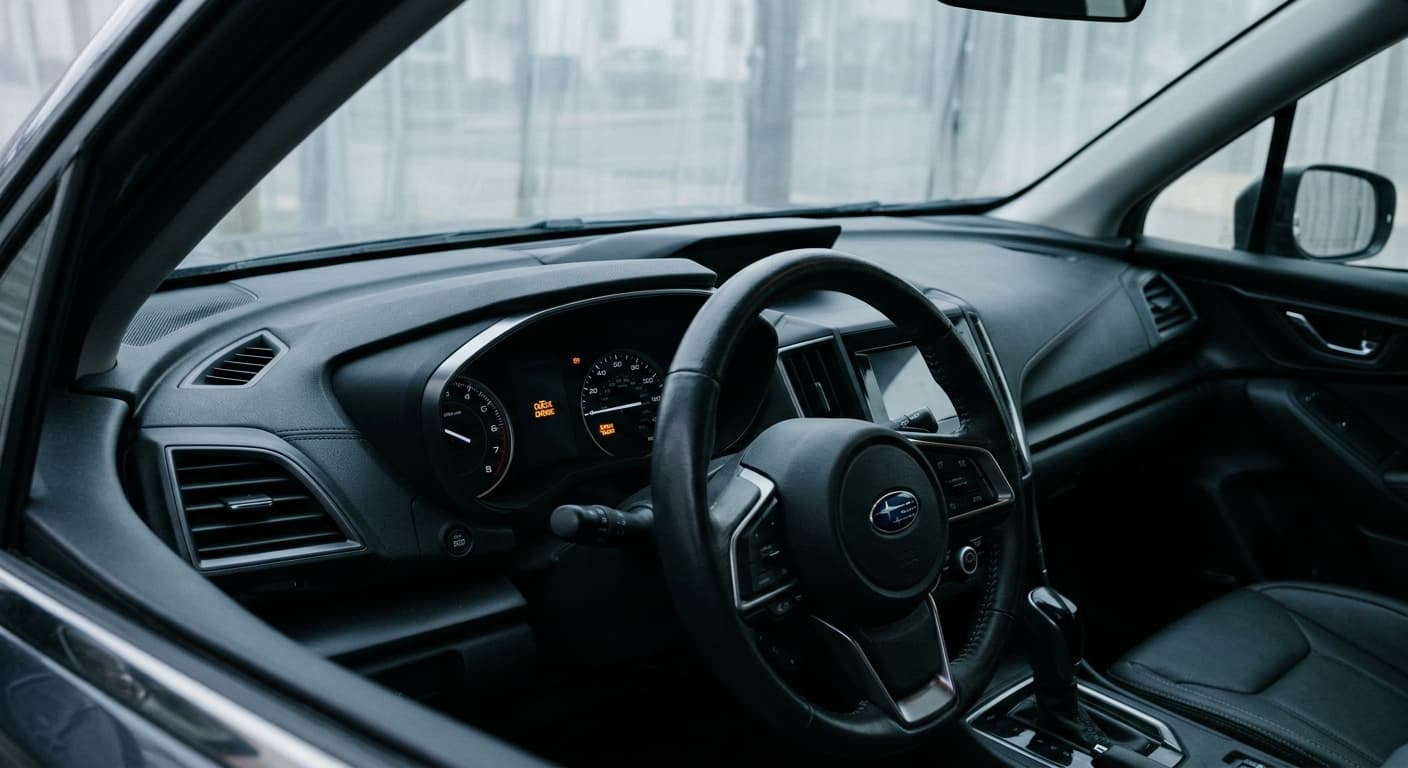
South Dakota's Motor Vehicle Warranty Law (SDCL 32-6D) covers new vehicles under 15,000 lbs. GVWR used for personal, family, or household purposes, including motorcycles. A vehicle qualifies as a lemon after four repair attempts for the same defect plus one final attempt, or 30 cumulative days out of service, within the rights period.
What Is South Dakota's Lemon Law?
South Dakota's Motor Vehicle Warranty Law, codified in SDCL 32-6D-1 through 32-6D-11, protects consumers who purchase new vehicles that turn out to have serious, unfixable defects. Enacted in 1993, this law gives buyers a path to either a replacement vehicle or a full refund when a manufacturer cannot repair a covered defect within a reasonable number of attempts.
The law applies to vehicles purchased or leased in South Dakota that are used primarily for personal, family, or household purposes. If your new car, truck, SUV, or motorcycle has a recurring problem that the dealer cannot fix, you may have a lemon law claim.
What Vehicles Are Covered
South Dakota's lemon law covers vehicles intended primarily for use on public highways that meet certain criteria. Understanding which vehicles qualify is the first step in determining whether you have a valid claim.
Covered Vehicle Types
- New or previously untitled motor vehicles that are self-propelled and designed for highway use
- Passenger cars and sedans used substantially for personal, family, or household purposes
- Trucks and SUVs under the 15,000 lb. GVWR limit
- Vans and minivans for personal use
- Motorcycles intended for highway use and personal purposes
- Light pickup trucks under the weight threshold
Vehicles NOT Covered
- Motor homes (the law specifically excludes them under SDCL 32-6D-1)
- Motor vehicles with a manufacturer's gross vehicle weight rating of 15,000 pounds or more
- Vehicles purchased for the purpose of resale
- Vehicles not used substantially for personal, family, or household purposes
- Mopeds and off-road vehicles
Key Definitions
Consumer: The purchaser, other than for purposes of resale, of a new or previously untitled motor vehicle used in substantial part for personal, family, or household purposes. The consumer must be entitled by the terms of the warranty to enforce its obligations.
Lemon Law Rights Period: The period ending one year after the date of original delivery to a consumer or the first 12,000 miles of operation, whichever occurs first. You must first report the defect during this window for the lemon law to apply.
Nonconforming Condition: A defect or condition that does not conform to the terms of the manufacturer's express warranty, significantly impairs the use, value, or safety of the motor vehicle, and arises solely in the course of ordinary use.
South Dakota's Lemon Law Presumption
Under SDCL 32-6D-5, South Dakota law creates a rebuttable presumption that the manufacturer has had reasonable attempts to correct a nonconforming condition when certain thresholds are met. This presumption shifts the burden of proof in favor of the consumer.
When the Presumption Applies
The presumption applies when either of the following conditions is met within 24 months of delivery or 24,000 miles, whichever occurs first:
| Condition | Requirement | Details |
|---|---|---|
| Repair Attempts (Same Problem) | 4 or more attempts PLUS 1 final attempt | At least one attempt must occur during the lemon law rights period |
| Days Out of Service | 30 or more cumulative calendar days | Including the final repair attempt, with at least one repair during the lemon law rights period |
| Lemon Law Rights Period | 1 year or 12,000 miles | Nonconformity must first be reported during this period |
| Extended Repair Period | 24 months or 24,000 miles | Total time allowed for all repair attempts including the final opportunity |
Important: The 30-day out-of-service calculation does not include time when repair could not be performed because of conditions beyond the control of the manufacturer or its dealers. Examples include war, invasion, strike, fire, flood, or other natural disaster.
What Qualifies as a Nonconforming Condition?
South Dakota defines a nonconforming condition as one that meets all three of these criteria:
- It does not conform to the terms of any express warranty issued by the manufacturer
- It significantly impairs the use, value, or safety of the motor vehicle
- It occurs or arises solely in the course of ordinary use of the motor vehicle
The nonconformity must NOT arise from:
- Abuse, neglect, or modification not authorized by the manufacturer
- Any accident or other damage occurring after dealer delivery to the consumer
Minor cosmetic issues, normal wear items, and problems caused by aftermarket parts generally do not qualify as nonconforming conditions under the statute.
Consumer Remedies: Refund vs. Replacement
When a vehicle qualifies as a lemon under South Dakota law, the consumer has the right to choose between a replacement vehicle or a full refund. The manufacturer cannot force one option over the other.
Option 1: Replacement Vehicle
Under SDCL 32-6D-3, the manufacturer must provide:
- A comparable new motor vehicle of the same make and model (or a reasonably equivalent vehicle)
- Refund of all collateral charges, including excise tax, license, registration fees, and similar government charges
Option 2: Full Refund
If the consumer chooses a refund, the manufacturer must return:
- Full contract price: Including undercoating, dealer preparation, and transportation charges
- Installed options: Cost of all options installed at the time of purchase
- Extended warranties and service contracts: Nonrefundable portions of any extended warranty or service contract
- Collateral charges: Excise tax, license, registration fees, and similar government charges
- Finance charges: All finance charges incurred after the consumer first reported the nonconformity to the manufacturer or dealer
- Incidental damages: Reasonable cost of alternative transportation during the period the consumer was without the vehicle due to the nonconforming condition
Usage Deduction Formula
The manufacturer may offset the refund by a reasonable allowance for the consumer's use of the vehicle before the first report of the defect. Under SDCL 32-6D-4, South Dakota calculates this as:
Usage Deduction = (Full Purchase Price x Miles Before First Report) / 100,000
For example, if you purchased a vehicle for $40,000 and drove 5,000 miles before reporting the first defect, the usage deduction would be $2,000.
South Dakota uses 100,000 miles as the denominator in this formula. Compared to states that use a 120,000-mile denominator, South Dakota's formula results in a higher deduction per mile driven, so the faster you report the defect, the smaller the deduction.
Refunds are made to the consumer and any lienholders, as their interests may appear. If there is a loan on the vehicle, the lender will receive the remaining balance and the consumer receives the rest.
How to File a Lemon Law Claim in South Dakota
Filing a successful lemon law claim in South Dakota requires careful documentation and strict adherence to notice and procedural requirements. Missing a step can delay or derail your claim.
Step 1: Document Everything From Day One
Thorough documentation is the foundation of a strong lemon law claim. Keep the following records:
- All repair orders, work orders, and invoices from every dealer visit
- Dates your vehicle was dropped off and picked up from the shop
- Written descriptions of the symptoms you experienced each time
- All correspondence with the dealer and manufacturer, including emails and letters
- Photos or videos of the defect, warning lights, or safety issues when possible
- A log of how the defect affects your daily use of the vehicle
Tip: Request a repair order every time you bring your vehicle in for service. If a visit is not documented on a repair order, it may not count toward the four-attempt threshold required under the lemon law.
Step 2: Report the Nonconformity
Deliver the motor vehicle to the manufacturer or its authorized dealer and give notice of the nonconforming condition during the lemon law rights period (1 year or 12,000 miles, whichever comes first). Verbal notice to the dealer is sufficient for this step, but written notice creates a stronger record.
Step 3: Allow Repair Attempts
Give the manufacturer or authorized dealer a reasonable opportunity to repair the nonconformity. The manufacturer's obligation to repair extends up to 24 months or 24,000 miles from delivery, whichever occurs first, as long as the initial notice was given during the lemon law rights period.
Step 4: Send Written Notice for Final Repair Opportunity
Before filing a lawsuit, you must give the manufacturer written notice by certified mail demanding correction of the defect. This triggers the final repair opportunity process outlined in SDCL 32-6D-6.
Step 5: Exhaust Informal Dispute Settlement Procedure (If Applicable)
If the manufacturer has established an informal dispute settlement procedure that complies with federal rules and regulations under the Magnuson-Moss Warranty Act, you must exhaust that remedy before filing suit. Not all manufacturers maintain such programs, so check with the manufacturer first.
Final Repair Opportunity
South Dakota's lemon law includes a "final repair opportunity" provision that gives manufacturers one last chance to fix the vehicle before legal action can proceed. This step is mandatory and cannot be skipped.
Notice Requirements
Under SDCL 32-6D-6, consumers must send a "notice of nonconforming condition" by certified mail. This written statement must include:
- A description of the motor vehicle (year, make, model, VIN)
- A description of the nonconforming condition
- All previous attempts to correct the condition, identifying who made each attempt and when
Manufacturer's Response Timeline
Within seven calendar days of receiving the certified mail notice, the manufacturer must notify the consumer of a reasonably accessible repair facility where the final attempt will be made.
Final Repair Period
After the consumer delivers the vehicle to the designated repair facility, the manufacturer has fourteen calendar days to attempt to correct the nonconforming condition and bring the vehicle into conformity with the express warranty.
If the Final Repair Fails
If the manufacturer is unable to repair the vehicle within the 14-day final repair period, the consumer may bring a civil action against the manufacturer to enforce the lemon law. At this point, the presumption under SDCL 32-6D-5 works in the consumer's favor.
Attorney Fees and Legal Costs
Under SDCL 32-6D-8, if the manufacturer has breached its obligations under the lemon law, the consumer may recover reasonable attorney fees in addition to the refund or replacement remedy. This provision is significant because it makes it financially feasible for consumers to hire a lawyer to pursue their claim.
Many lemon law attorneys in South Dakota work on a contingency basis, meaning the consumer pays nothing upfront. If the case is successful, the manufacturer typically pays the attorney fees as part of the judgment or settlement.
Manufacturer Defenses
Under SDCL 32-6D-7, manufacturers have specific affirmative defenses available when a consumer files a lemon law claim.
| Defense | Manufacturer's Argument | Consumer's Counter |
|---|---|---|
| No significant impairment | The alleged nonconforming condition does not significantly impair use, market value, or safety | Document how the defect affects daily use, resale value, or creates safety concerns |
| Abuse or neglect | The nonconforming condition resulted from consumer abuse or neglect | Provide maintenance records showing proper care and timely service |
| Unauthorized modification | The condition resulted from a modification or alteration not authorized by the manufacturer | Show the defect existed before any modifications or is unrelated to the modification |
The burden of proving these defenses rests with the manufacturer. Consumers who keep thorough maintenance records and follow the owner's manual recommendations are in the strongest position to defeat these defenses.
Resale of Returned Lemon Vehicles
South Dakota has specific requirements for vehicles returned under the lemon law. These rules protect subsequent purchasers from unknowingly buying a vehicle with a history of serious defects.
Requirements for Reselling Lemon Buybacks
Under SDCL 32-6D-9, if a motor vehicle has been returned under the lemon law (whether through a court judgment or informal dispute settlement), it may not be resold in South Dakota unless both of these conditions are met:
- Written disclosure: The manufacturer must disclose in writing to the subsequent purchaser that the vehicle was returned under the lemon law and describe the nature of the nonconformity
- Title branding: The manufacturer must return the title to the South Dakota Department of Revenue, advising that the vehicle was returned under the lemon law. The department then brands the title with the statement: "This vehicle was returned to the manufacturer because it did not conform to its warranty."
This title branding follows the vehicle permanently and appears on all subsequent titles issued for that vehicle, regardless of how many times it changes hands.
Dealer Protection
South Dakota's lemon law includes strong protections for motor vehicle dealers, recognizing that manufacturing defects are the manufacturer's responsibility, not the dealer's.
Under SDCL 32-6D-10:
- Nothing in the lemon law imposes any liability upon a motor vehicle dealer or authorized dealer
- No cause of action is created against dealers by the lemon law
- Manufacturers may NOT charge back or require reimbursement from dealers for any costs arising out of the lemon law, including refunds or vehicle replacements
This means your lemon law claim is directed at the manufacturer, not the dealership where you purchased the vehicle.
Statute of Limitations
Under SDCL 32-6D-11, any action brought under South Dakota's lemon law against the manufacturer must be commenced within three years following the date of original delivery of the motor vehicle to the consumer.
If you miss this three-year deadline, you lose the right to file a lemon law claim under state law. However, you may still have options under the federal Magnuson-Moss Warranty Act, which has a four-year statute of limitations for breach of warranty claims.
Federal Warranty Protection: Magnuson-Moss Act
If your vehicle does not qualify under South Dakota's state lemon law, you may still have rights under the federal Magnuson-Moss Warranty Act (15 U.S.C. 2301). This federal law is the backstop warranty protection for all consumers and covers:
- Both new and used vehicles still under a manufacturer's warranty
- Vehicles that may exceed the state lemon law's weight or mileage limits
- Situations where the state statute of limitations has passed but you are within four years of the warranty breach
The Magnuson-Moss Act allows consumers to sue for breach of warranty and recover attorney fees, making it a valuable backup to state lemon law protections. Before exhausting state remedies, note that if the manufacturer has established a qualifying dispute settlement procedure under Magnuson-Moss, you must use it before filing a federal lawsuit.
Tips for Strengthening Your Claim
Follow these practical steps to build the strongest possible lemon law case:
- Always go to an authorized dealer for warranty repairs, not an independent shop
- Request a written repair order for every visit, even if the dealer says the problem could not be replicated
- Describe the same problem consistently on each repair order so there is a clear pattern
- Keep a personal log of dates, mileage, and symptoms between dealer visits
- Send all formal notices by certified mail with return receipt requested
- Do not make unauthorized modifications to the vehicle while pursuing a claim
- File your claim promptly and do not wait until close to the three-year deadline
Filing a Consumer Complaint in South Dakota
If you believe a manufacturer or dealer has violated your consumer rights, you can file a complaint with the South Dakota Attorney General's Division of Consumer Protection:
- Phone: 605-773-4400
- Toll-free (in-state): 1-800-300-1986
- Website: consumer.sd.gov
- Complaint form: South Dakota Attorney General Consumer Complaint Form
The Division of Consumer Protection can mediate disputes and investigate complaints, though they do not provide legal representation to individual consumers.
More South Dakota Laws
Frequently Asked Questions
How many repair attempts does South Dakota require before a vehicle is considered a lemon?
South Dakota requires four or more repair attempts for the same nonconforming condition, plus one final attempt by the manufacturer after written certified mail notice. At least one of these repair attempts must occur during the lemon law rights period (1 year or 12,000 miles). Alternatively, if the vehicle is out of service for 30 or more cumulative calendar days due to repair attempts, it may qualify.
What is the final repair opportunity in South Dakota?
Before filing a lawsuit, consumers must send written notice by certified mail to the manufacturer demanding correction of the defect. The manufacturer then has 7 calendar days to designate a repair facility and 14 calendar days after the vehicle is delivered to attempt final repairs. This step is required even after the standard repair attempts have been exhausted.
Does South Dakota's lemon law cover used vehicles?
No. South Dakota's lemon law covers only new or previously untitled motor vehicles. This may include demonstrator vehicles or executive vehicles that have never been titled to a consumer. Previously titled used vehicles are not covered under the state lemon law, though the federal Magnuson-Moss Warranty Act may provide protection for used vehicles still under a manufacturer warranty.
Does South Dakota's lemon law cover motorcycles?
Yes. South Dakota's lemon law covers motorcycles that are intended primarily for use on public highways, are under 15,000 lbs. GVWR, and are used substantially for personal, family, or household purposes. Mopeds and off-road motorcycles are not covered.
What is the usage deduction in South Dakota and how is it calculated?
The manufacturer may deduct a reasonable allowance for miles driven before you first reported the nonconformity. The formula under SDCL 32-6D-4 is: (Full Purchase Price x Miles Before First Report) / 100,000. For example, on a $40,000 vehicle with 5,000 miles at first report, the deduction would be $2,000. Report the defect as early as possible to minimize this deduction.
Can I recover attorney fees if I win my lemon law case in South Dakota?
Yes. Under SDCL 32-6D-8, if the manufacturer has breached its obligations under the lemon law, the consumer may recover reasonable attorney fees in addition to the refund or replacement remedy. Many South Dakota lemon law attorneys work on contingency, meaning the consumer pays nothing upfront.
Do I have to use a manufacturer's arbitration program before suing?
Only if the manufacturer has established an informal dispute settlement procedure that complies with federal rules and regulations under the Magnuson-Moss Warranty Act. If such a program exists, you must exhaust that remedy before filing a civil action. Not all manufacturers maintain these programs, so check with your manufacturer first.
Updates
Independently fact-checked against the cited primary sources; governing law re-checked for recent changes
Governing law re-checked for recent changes
Governing law re-checked for recent changes
Reviewed and approved by an editor
The Law Behind This Article
This article rests on the statutory provisions below, held in our own legal record and retrieved from the official source. Tap a section to read the operative text.
South Dakota Codified Laws, Chapter 32-6D: MANUFACTURER'S WARRANTY
§ 32-6D-1Definitions.In force
Terms used in this chapter mean: (1) "Consumer," the purchaser, other than for purposes of resale, of a new or previously untitled motor vehicle used in substantial part for personal, family, or household purposes, who is entitled by the terms of the warranty to enforce the obligations of the warranty; (2) "Express warranty," a written warranty, so labeled, issued by the manufacturer of a new motor vehicle, including any terms or conditions precedent to the enforcement of obligations under that warranty; (3) "Lemon law rights period," the period ending one year after the date of the original delivery of a motor vehicle to a consumer or the first twelve thousand miles of operation, whichever first occurs; (4) "Manufacturer," the person, firm, corporation, or limited liability company engaged in the business of manufacturing, importing, or distributing motor vehicles to be made available to a motor vehicle dealer for retail sale; (5) "Motor vehicle," any vehicle intended primarily for use and operation on the public highway that is self-propelled.
Official text (excerpt) · last checked 2026-07-30 · Read the full text in our law library · Verify at sdlegislature.gov
§ 32-6D-10Liability of dealer.In force
Nothing in this chapter imposes any liability upon a motor vehicle dealer or authorized dealer or creates a cause of action by a consumer against a motor vehicle dealer or authorized dealer. No manufacturer may charge back or require reimbursement by a motor vehicle dealer or authorized dealer for any costs, including any refunds or vehicle replacements, incurred by the manufacturer arising out of this chapter.
Official text (excerpt) · last checked 2026-07-30 · Read the full text in our law library · Verify at sdlegislature.gov
§ 32-6D-11Time limit for action.In force
Any action brought under this chapter against the manufacturer shall be commenced within three years following the date of original delivery of the motor vehicle to the consumer.
Official text (excerpt) · last checked 2026-07-30 · Read the full text in our law library · Verify at sdlegislature.gov
§ 32-6D-3Replacement of irreparable vehicle--Refund.In force
If, after reasonable attempts, the manufacturer or its authorized dealer is unable to conform the motor vehicle to any express warranty by repairing or correcting a nonconforming condition of the motor vehicle which first occurred during the lemon law rights period, the manufacturer shall, through its authorized dealer, at the option of the consumer, replace the motor vehicle with a comparable new motor vehicle and shall refund the customer all collateral charges, including excise tax, license, and registration fees and similar government charges or shall accept return of the vehicle from the consumer and refund to the consumer the following: (1) The full contract price including charges for undercoating, dealer preparation, and transportation charges, and installed options, plus the nonrefundable portions of extended warranties and service contracts; (2) All collateral charges, including excise tax, license, and registration fees and similar government charges; (3) All finance charges incurred by the consumer after he first reported the nonconformity to the manufacturer or its authorized dealer; and (4) Any incidental damages which shall include the reasonable cost of…
Official text (excerpt) · last checked 2026-07-30 · Read the full text in our law library · Verify at sdlegislature.gov
§ 32-6D-5Reasonable attempts to correct nonconforming condition.In force
It is presumed that reasonable attempts to correct a nonconforming condition have been allowed by the consumer if, during the period of twenty-four months following delivery of the vehicle or twenty-four thousand miles, whichever first occurs, either of the following events occurred: (1) The same nonconforming condition was subject to repair attempts four or more times by the manufacturer, or its authorized dealers, at least one of which occurred during the lemon law rights period, plus a final attempt by the manufacturer, and the same nonconforming condition continues to exist; or (2) The motor vehicle was out of service and in the custody of the manufacturer or an authorized dealer due to repair attempts including the final repair attempt, one of which occurred during the lemon law rights period, for a cumulative total of thirty calendar days, unless the repair could not be performed because of conditions beyond the control of the manufacturer or authorized dealers, such as war, invasion, strike, fire, flood, or other natural disaster.
Official text (excerpt) · last checked 2026-07-30 · Read the full text in our law library · Verify at sdlegislature.gov
§ 32-6D-6Civil action against manufacturer.In force
A consumer sustaining damages as a proximate consequence of the failure by a manufacturer to perform its obligations imposed under this chapter may bring a civil action against the manufacturer to enforce the provisions of this chapter. Prior to the commencement of any such proceeding a consumer shall give notice of a nonconforming condition by certified mail to the manufacturer and demand correction or repair of the nonconforming condition. If at the time the notice of a nonconforming condition is given to the manufacturer, a presumption has arisen that reasonable attempts to correct a nonconforming condition have been allowed, the manufacturer shall be given a final opportunity to cure the nonconforming condition. The manufacturer shall within seven calendar days of receiving the written notice of nonconforming condition notify the consumer of a reasonably accessible repair facility. After delivery of the new vehicle to the authorized repair facility by the consumer, the manufacturer shall attempt to correct the nonconforming condition and conform the vehicle to the express warranty within a period not to exceed fourteen calendar days.
Official text (excerpt) · last checked 2026-07-30 · Read the full text in our law library · Verify at sdlegislature.gov
§ 32-6D-7Affirmative defenses to claim against manufacturer.In force
It is an affirmative defense to any claim against the manufacturer under this chapter that: (1) An alleged nonconforming condition does not significantly impair the use, market value, or safety of the motor vehicle; or (2) A nonconforming condition is a result of abuse, neglect, or any modification or alteration of a motor vehicle by a consumer that is not authorized by the manufacturer.
Official text (excerpt) · last checked 2026-07-30 · Read the full text in our law library · Verify at sdlegislature.gov
§ 32-6D-8Attorney fees.In force
If the manufacturer has breached its obligations imposed under this chapter, the consumer may recover, in addition to the remedy provided under §§ 32-6D-2 to 32-6D-5, inclusive, an additional award for reasonable attorney fees.
Official text (excerpt) · last checked 2026-07-30 · Read the full text in our law library · Verify at sdlegislature.gov
§ 32-6D-9Resale of returned vehicle.In force
If a motor vehicle has been returned to the manufacturer under the provisions of this chapter or a similar statute of another state, whether as the result of a legal action or as the result of an informal dispute settlement proceeding, it may not be resold in this state unless: (1) The manufacturer discloses in writing to the subsequent purchaser the fact that the motor vehicle was returned under the provisions of this chapter and the nature of the nonconformity to the vehicle warranty; and (2) The manufacturer returns the title of the motor vehicle to the Department of Revenue advising of the return of the motor vehicle under provisions of this chapter with an application for title in the name of the manufacturer. The department shall brand the title issued to the manufacturer and all subsequent titles to the motor vehicle with the following statement: "This vehicle was returned to the manufacturer because it did not conform to its warranty."
Official text (excerpt) · last checked 2026-07-30 · Read the full text in our law library · Verify at sdlegislature.gov
United States Code Title 15
§ 2301DefinitionsIn forcecited in 39 of our articles
For the purposes of this chapter: The term “consumer product” means any tangible personal property which is distributed in commerce and which is normally used for personal, family, or household purposes (including any such property intended to be attached to or installed in any real property without regard to whether it is so attached or installed). The term “Commission” means the Federal Trade Commission. The term “consumer” means a buyer (other than for purposes of resale) of any consumer product, any person to whom such product is transferred during the duration of an implied or written warranty (or service contract) applicable to the product, and any other person who is entitled by the terms of such warranty (or service contract) or under applicable State law to enforce against the warrantor (or service contractor) the obligations of the warranty (or service contract). The term “supplier” means any person engaged in the business of making a consumer product directly or indirectly available to consumers. The term “warrantor” means any supplier or other person who gives or offers to give a written warranty or who is or may be obligated under an implied warranty.
Official text (excerpt) · last checked 2026-07-28 · Read the full text in our law library · Verify at uscode.house.gov
Cited in 1,671 court opinions in our collectionLatest citing opinion in our collection: 2026
In the courts (editorial summary, independently checked):Walsh v. Ford Motor Company (1986) held that except where Magnuson-Moss expressly prescribes a rule, the Act applies state written and implied warranty law, citing Section 2301(7)'s definition of implied warranty as one arising under state law. Birdsong v. Apple (2009) dismissed Act claims once the state warranty claims failed.
Opinions citing this section in our collection:
- John F. "Jack" Walsh v. Ford Motor Company (Court of Appeals for the D.C. Circuit 1986, 807 F.2d 1000)✓Ford owners sought nationwide classes over transmissions that slipped from park into reverse; reading Section 2301(7) and (6), the D.C. Circuit held Magnuson-Moss applies state warranty law except where the Act expressly prescribes a rule, and vacated class certification.
- Birdsong v. Apple, Inc. (Court of Appeals for the Ninth Circuit 2009, 590 F.3d 955)✓iPod buyers alleged the player risked hearing loss; because Section 2301(7) ties implied warranty to state law, the Ninth Circuit treated the Magnuson-Moss claim as standing or falling with the California warranty claims and affirmed dismissal once those failed.
- Robert E. Kelly Virginia L. Kelly v. Fleetwood Enterprises, Inc. (Court of Appeals for the Ninth Circuit 2004, 377 F.3d 1034)“…gnizable under the Magnuson-Moss Warranty Act (the “Act”), 15 U.S.C. § 2301 et seq. This consumer dis…”
Identified automatically from the court opinions citing this section — not a ranking of which case controls.
Also relied on in: Arkansas Lemon Law (2026): How to Qualify & Get a Refund, Washington Lemon Law (2026): How to Qualify & Get a Refund, Florida Lemon Law (2026): How to Qualify & Get a Refund
Search our full record of US law — 2.1 million sections, every state + federal →
Sources and References
- South Dakota Motor Vehicle Warranty Law, SDCL 32-6D (Full Text)(sdlegislature.gov).gov
- SDCL 32-6D-1: Definitions(sdlegislature.gov).gov
- SDCL 32-6D-3: Replacement or Refund Remedies(sdlegislature.gov).gov
- SDCL 32-6D-5: Lemon Law Presumption Requirements(sdlegislature.gov).gov
- SDCL 32-6D-6: Final Repair Opportunity Notice Requirements(sdlegislature.gov).gov
- SDCL 32-6D-7: Manufacturer Affirmative Defenses(sdlegislature.gov).gov
- SDCL 32-6D-8: Attorney Fees Recovery(sdlegislature.gov).gov
- SDCL 32-6D-9: Resale of Returned Lemon Vehicles(sdlegislature.gov).gov
- SDCL 32-6D-10: Dealer Protection Provisions(sdlegislature.gov).gov
- SDCL 32-6D-11: Three-Year Statute of Limitations(sdlegislature.gov).gov
- South Dakota Division of Consumer Protection: Automotive Information(consumer.sd.gov).gov
- South Dakota Division of Consumer Protection(consumer.sd.gov).gov
- South Dakota Attorney General Consumer Complaint Form(atg.sd.gov).gov
- Magnuson-Moss Warranty Act (15 U.S.C. Chapter 50)(law.cornell.edu)