
Kansas
Kansas Lemon Law (2026): How to Qualify and Get a Refund
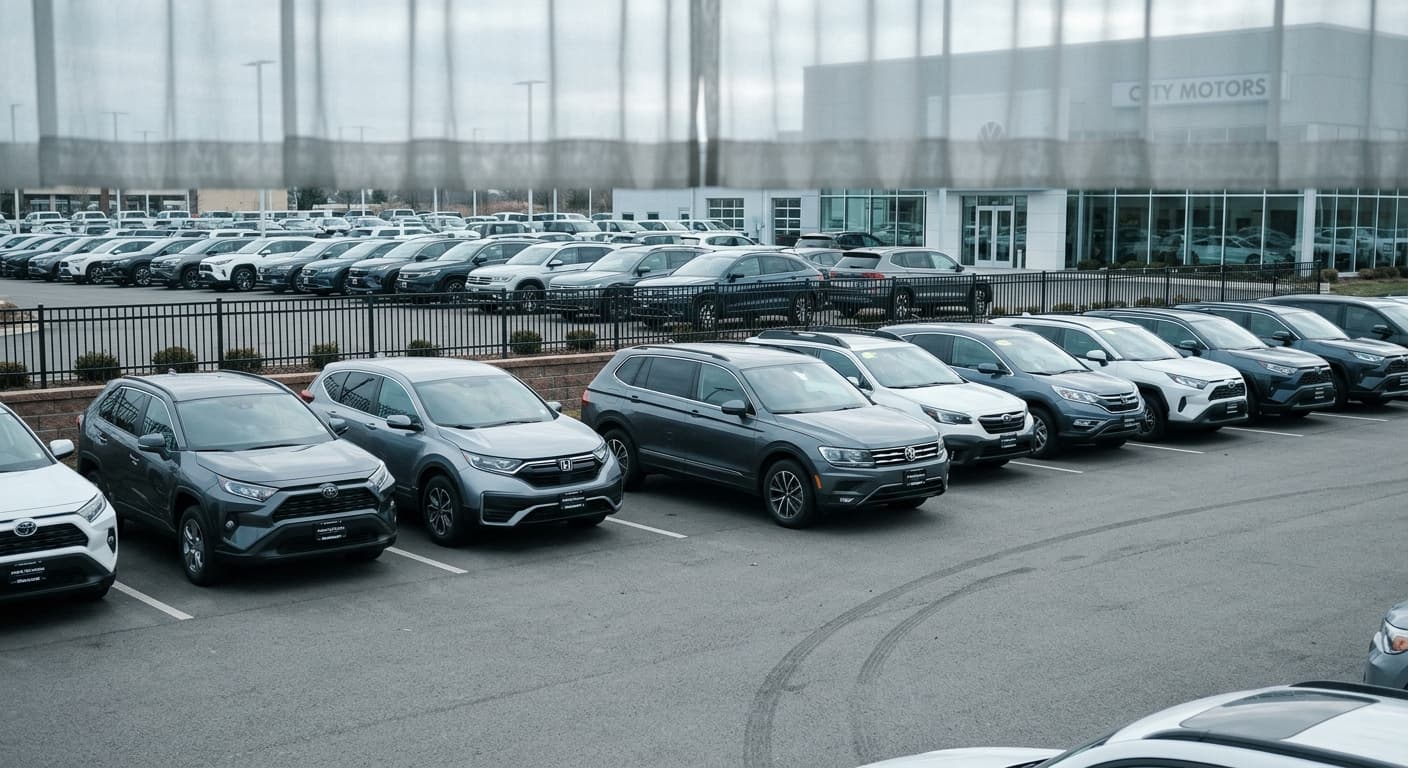
Kansas's Motor Vehicle Warranties Act, codified at K.S.A. § 50-645, requires manufacturers to replace or fully refund a new vehicle if it cannot be repaired after four attempts for the same defect, 10 total repair attempts, or 30 cumulative days out of service, all within the warranty period or one year from delivery. The manufacturer, not the consumer, chooses between replacement and refund, though both outcomes must meet the full statutory standard.
Kansas protects buyers and lessees of new motor vehicles through the Motor Vehicle Warranties Act, found at K.S.A. § 50-645 and § 50-646. If a new vehicle has a defect covered by the manufacturer's warranty that cannot be fixed after a reasonable number of repair attempts, the manufacturer must either replace the vehicle or refund the full purchase price.
This guide covers who qualifies, what vehicles are protected, the specific thresholds that trigger a lemon law claim, available remedies, and how to file a complaint in Kansas.
What Vehicles Does Kansas Lemon Law Cover
Under K.S.A. § 50-645(a), the law defines a "motor vehicle" as a new motor vehicle sold or leased in Kansas that is registered for a gross weight of 12,000 pounds or less. The statute excludes customized parts added or modified by converters as defined in K.S.A. 8-2401.
Covered Vehicles
- New passenger cars, including sedans, coupes, and hatchbacks
- Pickup trucks registered at 12,000 pounds gross weight or less
- SUVs and crossovers under the weight limit
- Vans and minivans used for personal transportation
- Leased new vehicles (original lessee only)
- Electric vehicles (EVs) and hybrids, as long as they meet the weight and new-vehicle requirements
Vehicles Not Covered
- Vehicles registered for more than 12,000 pounds gross weight
- Used vehicles or vehicles previously titled to another consumer
- Vehicles purchased for resale purposes
- Parts added or modified by second stage manufacturers, first stage converters, or second stage converters as defined in K.S.A. 8-2401
- Motorcycles, RVs, and other vehicles that fall outside the statutory definition
Who Qualifies as a Consumer
Kansas law defines a "consumer" as the original purchaser or lessee of a motor vehicle, other than for purposes of resale. This is a narrower definition than many other states. Only the first retail buyer or the person who originally signed the lease qualifies. Subsequent purchasers or lease assignees do not have standing under this statute, though they may have other legal remedies.
The Kansas Lemon Law Presumption
The heart of the Kansas lemon law is the rebuttable presumption in K.S.A. § 50-645(d). Once certain conditions are met, the law presumes that a reasonable number of repair attempts have been made, which shifts the burden to the manufacturer.
When the Presumption Applies
The presumption is triggered when any one of the following conditions is met within the warranty period or one year from original delivery (whichever is earlier):
| Condition | Threshold | Details |
|---|---|---|
| Same Defect Repairs | 4 or more attempts | The same nonconformity that substantially impairs use and value has been repaired four or more times and still exists |
| Total Repair Attempts | 10 or more attempts | Any combination of nonconformities that substantially impair use and value have required 10 or more repair attempts |
| Days Out of Service | 30 or more calendar days | The vehicle has been out of service for a cumulative total of 30 or more calendar days due to repairs |
The 10-repair-attempt standard is a distinctive feature of Kansas law. Many states only count repeated repairs for the same problem. Kansas also counts the total number of repair visits for any qualifying defects, which helps consumers whose vehicles have multiple different problems.
Manufacturer Notice Requirement
The presumption only applies if the manufacturer has received actual notice of the nonconformity. Reporting the problem to an authorized dealer or the manufacturer's agent counts as notice, but consumers should keep written records of every communication to prove notice was given.
What Counts as a Substantial Impairment
The nonconformity must "substantially impair the use and value" of the vehicle. Kansas courts look at whether the defect meaningfully affects the consumer's ability to use the vehicle safely and reliably. Common examples include:
- Engine or transmission failures that affect drivability
- Brake system malfunctions
- Steering defects
- Electrical system failures that disable key functions
- Persistent water leaks that cause interior damage
- Fuel system problems
- Safety equipment malfunctions (airbags, seatbelts, stability control)
- Heating or air conditioning failures that make the vehicle unusable in extreme weather
Minor cosmetic issues or problems that do not affect safety, reliability, or value typically do not meet the substantial impairment standard.
Tolling Provisions
The warranty term, one-year period, and 30-day out-of-service calculation are extended during any time that repair services are unavailable because of war, invasion, strike, fire, flood, or other natural disaster. This protects consumers from losing their rights due to circumstances beyond anyone's control.
Consumer Remedies: Refund or Replacement
When a vehicle qualifies as a lemon under Kansas law, K.S.A. § 50-645(c) requires the manufacturer to provide one of two remedies. Under the statute, the manufacturer selects which remedy to provide, not the consumer. Both options must meet the full statutory standard.
Remedy A: Full Refund (Buyback)
If the manufacturer chooses a buyback, it must accept return of the vehicle and refund the full purchase or lease price, including all collateral charges such as taxes, registration fees, and finance charges.
The refund goes to the consumer and any lienholder as their interests appear. If you have a loan on the vehicle, the lender receives the portion needed to pay off the loan, and you receive the remainder.
Usage Deduction: The manufacturer may subtract a reasonable allowance for use of the vehicle. Kansas law specifies that this allowance must be calculated using the most recent edition of "Your Driving Costs," published by the American Automobile Association (AAA).
The deduction covers miles attributable to the consumer (and any prior consumer) before the nonconformity was first reported to the manufacturer, agent, or dealer, plus miles driven during any period when the vehicle was not out of service for repair.
Miles accumulated while the vehicle was at the dealer for repairs are not included in the deduction. This formula ensures that consumers are not penalized for time the vehicle spent in the shop.
Remedy B: Replacement Vehicle
If the manufacturer chooses replacement instead of a refund, it must provide a comparable replacement vehicle that is covered by a manufacturer's warranty. The replacement must be reasonably equivalent to the original vehicle in terms of features, value, and condition.
Because the manufacturer controls the remedy election, many consumers find it useful to consult a consumer-rights attorney who can negotiate for their preferred outcome or pursue litigation if the offered remedy falls short.
How to File a Kansas Lemon Law Claim
Pursuing a lemon law claim in Kansas requires careful documentation and following the proper sequence of steps.
Step 1: Document Every Repair Visit
Start building your case from the first repair attempt. Keep the following records:
- All repair orders and invoices with dates
- Written descriptions of symptoms you reported
- The number of days the vehicle spent at the dealer for each visit
- Photos or videos of the defect
- All correspondence with the dealer and manufacturer
- A log of dates and mileage at each repair visit
Step 2: Notify the Manufacturer in Writing
Send written notice directly to the manufacturer (not just the dealer) describing the nonconformity, your repair history, and your request for a remedy. Include your name, contact information, vehicle year, make, model, and VIN. Send the notice by certified mail so you have proof of delivery.
Step 3: Allow the Manufacturer to Attempt Repairs
The manufacturer must be given the opportunity to repair the vehicle within the warranty period or one year from delivery, whichever comes first. Even if the warranty expires, the manufacturer must complete repairs for nonconformities reported during the coverage period.
Step 4: Check for an Informal Dispute Settlement Procedure
Under K.S.A. § 50-645(e), if the manufacturer has established an informal dispute settlement procedure that complies with federal requirements under 16 CFR Part 703, you may be required to use that process before seeking a refund or replacement.
Common manufacturer arbitration programs include:
- BBB AUTO LINE: Handles disputes for many major manufacturers
- National Center for Dispute Settlement (NCDS): Another frequently used program
These programs must be free to consumers, provide written decisions, and allow you to reject the decision and pursue litigation if you disagree with the outcome.
If the manufacturer does not have a qualifying arbitration program, you may proceed directly to seeking a refund or replacement.
Step 5: File a Complaint or Pursue Legal Action
If the manufacturer fails to provide an adequate remedy, you have two main options:
File a complaint with the Kansas Attorney General. The AG's Consumer Protection Division has jurisdiction to enforce the lemon law. You can reach the Consumer Protection Hotline at 1-800-432-2310 or (785) 296-3751, or file a complaint online.
Pursue a private lawsuit. You may file a civil action against the manufacturer. Consulting with a consumer rights attorney can help you evaluate your case and understand potential damages.
Manufacturer Defenses
Under K.S.A. § 50-645(c), manufacturers may raise affirmative defenses to avoid liability.
| Defense | What the Manufacturer Claims | How Consumers Can Respond |
|---|---|---|
| No Substantial Impairment | The defect does not substantially impair use and value | Document how the defect affects daily use, safety, and resale value |
| Consumer Abuse | The nonconformity resulted from consumer abuse | Provide maintenance records showing proper care |
| Consumer Neglect | The defect was caused by failure to maintain the vehicle | Show that regular maintenance was performed on schedule |
| Unauthorized Modifications | The defect resulted from unauthorized changes to the vehicle | Demonstrate that the defect existed before any modifications |
| No Manufacturer Notice | The manufacturer did not receive actual notice of the problem | Provide copies of written communications, repair orders, and certified mail receipts |
Electric and Hybrid Vehicle Coverage
Kansas's lemon law does not distinguish between gasoline-powered vehicles and electric or hybrid vehicles. Any new motor vehicle sold or leased in Kansas that is registered at 12,000 pounds gross weight or less qualifies, regardless of powertrain type.
Common EV-specific defects that may trigger lemon law protections include:
- Battery degradation or failure outside normal parameters
- Charging system malfunctions
- Electric motor or drivetrain problems
- Software defects that affect vehicle operation or safety
- Range significantly below manufacturer specifications
- Thermal management system failures
Because EV technology is newer, some defects may require specialized diagnostic tools. Make sure repairs are performed at authorized service centers to preserve your lemon law rights.
Leased Vehicle Protections
Kansas's lemon law applies equally to leased and purchased vehicles. If a leased vehicle qualifies as a lemon, the original lessee is entitled to:
- A full refund of all lease payments and collateral charges, less a reasonable use allowance
- Or a comparable replacement vehicle under warranty
Only the original lessee qualifies. If you assumed a lease from someone else, you do not have standing under the lemon law, though you may have other remedies.
Used Vehicle Protections
Kansas's lemon law specifically covers only new vehicles and original purchasers. However, used vehicle buyers are not without options.
Remaining Manufacturer Warranty
If the used vehicle still has active manufacturer warranty coverage, the warranty terms still apply. The manufacturer must honor the warranty regardless of how many times the vehicle has changed hands.
Federal Magnuson-Moss Warranty Act
The Magnuson-Moss Warranty Act (15 U.S.C. 2301) is the federal lemon-law backstop. It applies to any consumer with an active written warranty, including used vehicle buyers, regardless of whether the state lemon law applies. Under Magnuson-Moss, a manufacturer who fails to honor a written warranty may be liable for the consumer's attorney fees, making it a practical option even for lower-value disputes.
Other Kansas Consumer Protections
Under K.S.A. § 50-646, the lemon law does not limit or affect rights available under:
- The Uniform Consumer Credit Code
- The Uniform Commercial Code
- Any other applicable statutory or common law
This means used vehicle buyers can pursue claims for breach of warranty, fraud, or deceptive trade practices through other legal channels.
Statute of Limitations and Deadlines
Meeting the deadlines in Kansas's lemon law is critical to preserving your rights.
| Deadline | Requirement |
|---|---|
| Reporting Period | Nonconformity must be reported during the warranty period or within one year of original delivery, whichever is earlier |
| Repair After Warranty | Manufacturer must complete repairs for problems reported during the coverage period, even if the warranty has expired |
| Legal Action | Standard contract statute of limitations applies to civil claims |
| Tolling | Deadlines are extended during periods when repair services are unavailable due to war, invasion, strike, fire, flood, or other natural disaster |
Do not wait until the last day of your warranty to report a problem. The sooner you report a nonconformity, the more time you have to meet the repair attempt thresholds.
Tips for Strengthening Your Lemon Law Claim
Following these practices can improve your chances of a successful outcome:
- Report every defect to the dealer in writing, not just verbally
- Request a copy of each repair order before leaving the dealership
- Keep a personal log of every visit, including dates, mileage, and what was reported
- Send written notice to the manufacturer (not just the dealer) by certified mail
- Do not authorize aftermarket modifications until the defect is resolved
- Follow the manufacturer's recommended maintenance schedule
- File a complaint with the NHTSA if the defect involves a safety issue
- Contact the Kansas Attorney General's Consumer Protection Division early in the process
More Kansas Laws
- Kansas AI Meeting Recording Laws
- Kansas Alimony Laws
- Kansas At-Will Employment Laws
- Kansas Car Accident Laws
- Kansas Car Seat Laws
- Kansas Child Custody Laws
- Kansas Child Support Laws
- Kansas Common Law Marriage Laws
- Kansas Data Privacy Laws
- Kansas Deepfake Laws
- Kansas Divorce Laws
- Kansas Dog Bite Laws
- Kansas Emancipation Laws
- Kansas Expungement Laws
- Kansas Hit and Run Laws
- Kansas Landlord-Tenant Laws
Frequently Asked Questions
How many repair attempts trigger the Kansas lemon law?
Kansas law provides three independent triggers. Any one of these is sufficient: (1) four or more repair attempts for the same nonconformity that substantially impairs use and value; (2) 10 or more total repair attempts for any qualifying nonconformities; or (3) 30 or more cumulative calendar days out of service for repairs. All must occur within the warranty period or one year from delivery, whichever comes first.
Does the Kansas lemon law cover used cars?
No. Kansas's lemon law only covers new motor vehicles and applies only to original purchasers or lessees. Used car buyers may have remedies under the federal Magnuson-Moss Warranty Act if active warranty coverage remains, or under the Kansas Uniform Commercial Code and other consumer protection laws.
Who chooses the remedy in a Kansas lemon law case, the consumer or the manufacturer?
Under K.S.A. 50-645(c), the manufacturer chooses whether to provide a replacement vehicle or a full refund. The consumer does not get to elect the remedy. Because of this, many consumers work with a consumer-rights attorney to negotiate for their preferred outcome or to pursue litigation if the manufacturer's chosen remedy is inadequate.
How is the usage deduction calculated for a Kansas lemon law refund?
Kansas law requires the deduction to be calculated using the most recent edition of the AAA's Your Driving Costs publication. The deduction covers miles driven before the first report of the nonconformity, including miles by prior consumers, and during periods when the vehicle was not out of service for repair. Miles accumulated while the vehicle was at the dealer are not counted against the consumer.
Do I have to go through arbitration before filing a Kansas lemon law claim?
Only if the manufacturer has established an informal dispute settlement procedure that complies with federal regulations under 16 CFR Part 703. If such a program exists, you must use it before seeking a refund or replacement. If the manufacturer does not have a qualifying program, you may proceed directly. These programs must be free to consumers and allow you to reject the decision.
Does the Kansas lemon law cover electric vehicles?
Yes. Kansas's lemon law covers any new motor vehicle sold or leased in the state and registered at 12,000 pounds gross weight or less, regardless of powertrain type. Electric vehicles, plug-in hybrids, and traditional hybrids all qualify. Common EV defects like battery failures, charging malfunctions, and software issues can trigger lemon law protections.
Sources and References
- K.S.A. § 50-645: Motor Vehicle Warranties; Definitions; Consumer Rights and Remedies(ksrevisor.gov).gov
- K.S.A. § 50-646: Other Remedies Not Limited(ksrevisor.gov).gov
- Kansas Attorney General: File a Consumer Complaint(ag.ks.gov).gov
- Kansas Attorney General Consumer Protection Division(ag.ks.gov).gov
- 16 CFR Part 703: Informal Dispute Settlement Procedures (Federal)(ecfr.gov).gov
- NHTSA Vehicle Complaints and Recalls(nhtsa.gov).gov
- Federal Magnuson-Moss Warranty Act (Full Text)(ftc.gov).gov
- BBB AUTO LINE Dispute Resolution Program(bbbprograms.org)
- National Center for Dispute Settlement(ncdsusa.org)
- AAA Your Driving Costs Publication(exchange.aaa.com)