
Ohio
Ohio Car Seat Laws: Requirements and Guidelines
Independently fact-checked against primary sources (last audited August 20, 2026). · Reviewed by the RecordingLaw editorial team. · Law checked current as of August 20, 2026. · 5 primary sources cited on this page. How we verify our legal content
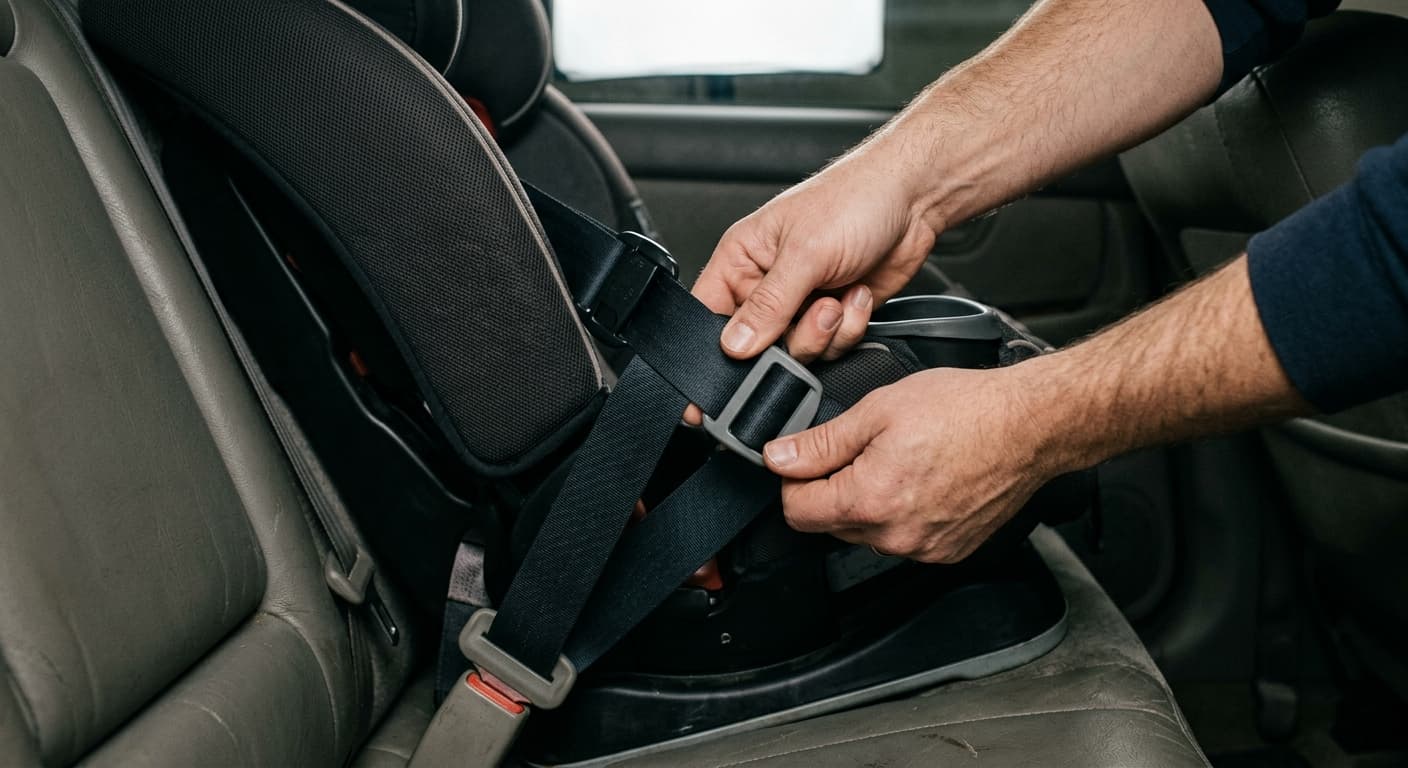
Ohio requires children under 8 years old and shorter than 4 feet 9 inches to ride in a booster seat under Ohio Revised Code Section 4511.81. Younger children must ride in a child restraint system if they are under 4 years old or weigh less than 40 pounds, with the manufacturer's instructions determining whether the seat is rear-facing or forward-facing, and the driver is responsible for compliance.
Understanding Ohio Car Seat Laws
Ohio's child passenger safety law is governed by Ohio Revised Code Section 4511.81. The law was most recently amended by Senate Bill 196 in March 2025, which updated several provisions to reflect current safety standards. Ohio sets specific age, weight, and height requirements for each type of child restraint, and the driver is responsible for making sure all child passengers are properly secured.
This guide covers every stage of Ohio's car seat requirements, from rear-facing infant seats through the transition to standard seat belts, including penalties, exemptions, and resources for Ohio families.
Rear-Facing Car Seat Requirements in Ohio
Ohio law requires any child who is less than 4 years of age or who weighs less than 40 pounds to be secured in a child restraint system that meets federal safety standards, installed according to the manufacturer's instructions. The statute does not set a separate rear-facing threshold. Whether the seat is used rear-facing or forward-facing is determined by the seat manufacturer's instructions, not by a specific age or weight in Ohio Revised Code Section 4511.81.
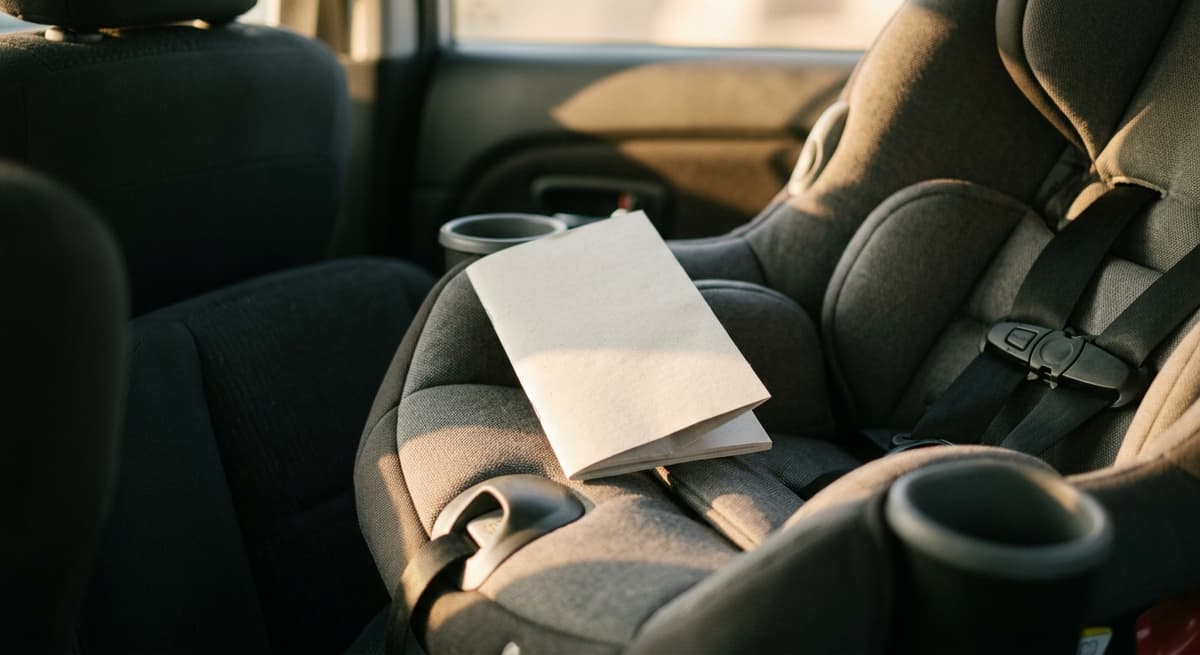
Rear-Facing Requirements Summary
| Requirement | Detail |
|---|---|
| Age | Under 4 years old |
| Weight | Under 40 pounds |
| Rule type | Either trigger requires a child restraint system; the manufacturer's instructions, not Ohio law, decide rear-facing vs. forward-facing use |
| Seat position | Not specified by statute; the back seat is strongly recommended for safety |
| Federal standards | Must meet FMVSS 213 |
Why Rear-Facing Is the Safest Position
The rear-facing position provides the best crash protection for infants and young toddlers. According to the NHTSA, rear-facing seats distribute crash forces across the child's entire back, head, and neck. This is especially important because infants have proportionally large heads and underdeveloped neck muscles and vertebrae.
The AAP recommends keeping children rear-facing until at least age 2, or until they reach the maximum height or weight limit of their rear-facing seat. Many modern convertible seats accommodate rear-facing children up to 40 or 50 pounds, allowing children to remain in this position well past the point most families switch to forward-facing.
Choosing Between Infant-Only and Convertible Seats
| Seat Type | Weight Range | Best For |
|---|---|---|
| Infant-only seat | Up to 30 to 35 lbs | Newborns; includes detachable carrier |
| Convertible seat | Up to 40 to 50 lbs rear-facing | Long-term use; converts to forward-facing |
Newborns typically start in an infant-only carrier seat. Once the child outgrows it (usually around 12 months), families can switch to a larger convertible seat that continues to allow rear-facing use.
Installation Guidelines
Place the rear-facing seat in the back seat of the vehicle. Ohio Revised Code Section 4511.81 does not contain a seat-position requirement, but NHTSA and the Ohio Department of Health recommend placing all child restraints in the back seat whenever the vehicle has one. The seat should be at the correct recline angle. Harness straps should sit at or below the child's shoulders and lie flat without twisting. The chest clip should rest at armpit level.
Forward-Facing Car Seat Requirements in Ohio
Ohio law does not set a separate forward-facing age or weight range. The same child restraint system requirement applies through age 4 or 40 pounds: once a child outgrows the rear-facing limits set by the seat manufacturer, the seat is turned to face forward while the child still falls under Section 4511.81's age or weight threshold, and a harness continues to be required.
Forward-Facing Requirements Summary
| Requirement | Detail |
|---|---|
| Age range | Under 4 years old |
| Weight range | Under 40 pounds |
| Harness | Required (5-point harness recommended) |
| Seat position | Not specified by statute; the back seat is strongly recommended for safety |
| Tether | Top tether should always be used |
Installation Methods
Forward-facing car seats can be secured using one of three methods:
- Lap-and-shoulder belt: Thread the vehicle belt through the designated belt path on the car seat.
- Lap belt only: Use the lap-only belt path if no shoulder belt is available.
- LATCH system: Use the lower anchors and top tether built into the vehicle and car seat.
Regardless of the installation method, always attach the top tether. The tether limits forward movement of the car seat during a crash and reduces the distance the child's head travels by several inches.
Keeping Children in the Harness Longer
Most forward-facing car seats have harness weight limits of 65 pounds or higher. The Ohio Department of Health recommends keeping children in a harnessed car seat as long as the seat allows before transitioning to a booster. The harness provides superior crash protection compared to a booster because it distributes forces across the shoulders, chest, and hips.
Booster Seat Requirements in Ohio
Ohio law requires children who are less than 8 years old and less than 4 feet 9 inches tall to ride in a booster seat. Both conditions must apply. A child who is under 8 but over 4 feet 9 inches may transition to a standard seat belt. Similarly, a child who is 8 or older but under 4 feet 9 inches may legally use a seat belt, though a booster is still recommended.
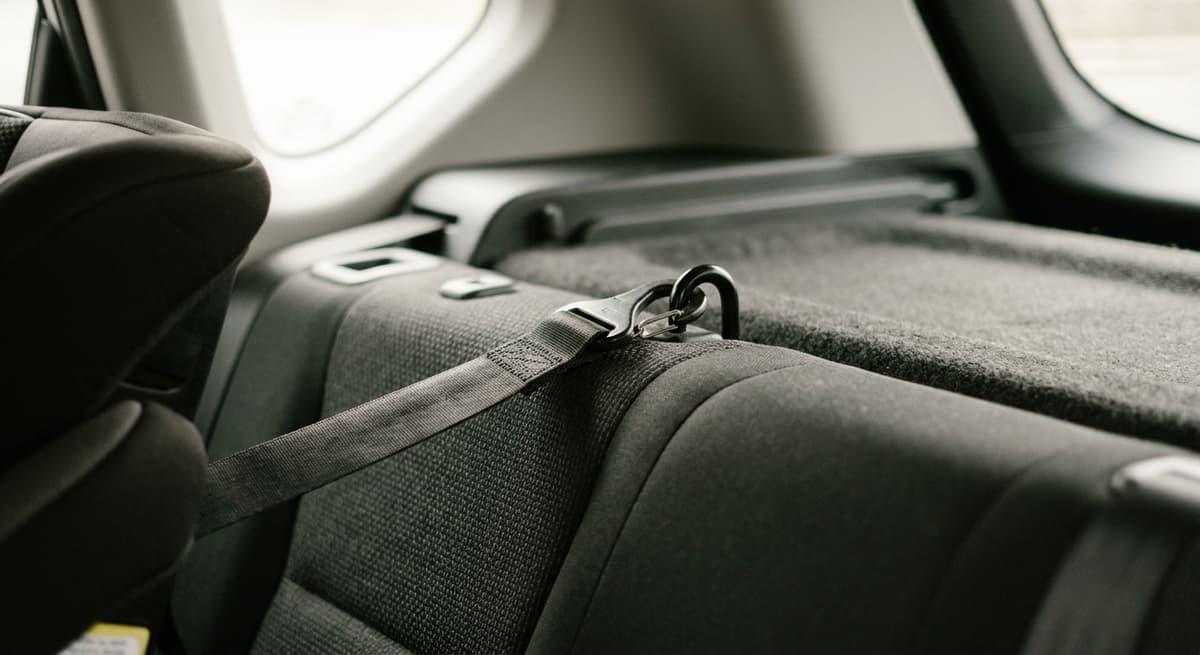
Booster Seat Requirements Summary
| Requirement | Detail |
|---|---|
| Age | Under 8 years old |
| Height | Under 4 feet 9 inches |
| Rule type | Both age AND height triggers apply |
| Belt type | Lap-and-shoulder belt required with booster |
| Seat position | Not specified by statute; the back seat is strongly recommended for safety |
Types of Booster Seats
| Type | Best For | Notes |
|---|---|---|
| High-back booster | Vehicles without headrests | Provides head and neck support |
| Backless booster | Vehicles with adjustable headrests | Lightweight and portable |
| Combination seat | Children transitioning from harness | Converts from harnessed to belt-positioning mode |
A booster seat raises the child so the vehicle's lap and shoulder belt fits correctly. The shoulder belt should cross the middle of the chest and shoulder (not the neck or face). The lap belt should sit low and snug across the upper thighs (not the stomach).
The Ohio Department of Health recommends that booster seats always be used with lap-and-shoulder belts. Using a lap belt only with a booster is not recommended because it does not provide adequate upper-body restraint.
The Seat Belt Fit Test
Before moving a child out of the booster, check that all five conditions are met:
- The child sits all the way back against the vehicle seat.
- The knees bend comfortably at the edge of the seat.
- The shoulder belt crosses the middle of the chest and shoulder.
- The lap belt sits low and snug across the upper thighs.
- The child can maintain this position for the entire ride without slouching.
Seat Belt Requirements for Children Ages 8 to 15
Ohio law requires children at least 8 years old but not older than 15 to be properly restrained in a seat belt that includes both a lap belt and a shoulder belt. If the vehicle is equipped with both, the child must use both components.
If the child is under 4 feet 9 inches, the seat belt may not fit properly. In this case, continuing to use a booster seat is the safer choice, even though it may not be legally required for children 8 and older.
Front Seat Rules in Ohio
Ohio Revised Code Section 4511.81 does not contain a seat-position requirement for child restraint devices or boosters. NHTSA and the Ohio Department of Health recommend placing car seats and booster seats in the back seat of any vehicle that has one, and this recommendation should be followed even though it is not itself a legal mandate.
Once a child graduates to a standard seat belt (at age 8 and 4 feet 9 inches or taller), there is no specific law prohibiting front seat use. However, the Ohio Department of Health recommends that children ride in the back seat until age 13. Front passenger airbags are designed for adult-sized occupants and can pose a serious risk to children.
Penalties for Violating Ohio Car Seat Laws
Ohio imposes escalating penalties for child restraint violations under Section 4511.81.
Penalty Schedule
| Offense | Classification | Fine |
|---|---|---|
| First violation | Minor misdemeanor | $25 to $75 |
| Repeat violation | Fourth-degree misdemeanor | Up to $250 plus possible jail time |
A fourth-degree misdemeanor in Ohio can carry up to 30 days in jail in addition to the fine. This escalation makes Ohio one of the stricter states for repeat car seat offenders.
Enforcement depends on which provision is violated. Under division (E) of Section 4511.81, officers may not stop a vehicle solely to check for a booster seat violation (division (C)) or a seat belt violation for children ages 8 to 15 (division (D)); those are secondary-enforcement only. The child restraint system requirement for children under 4 or under 40 pounds (divisions (A) and (B)) carries no such carve-out and can be enforced as a primary offense.
Points and Insurance
A car seat violation in Ohio does not add points to the driver's license. However, the violation does go on the driver's record, and insurance companies may consider it when setting rates.
Leaving a Child Unattended in a Vehicle in Ohio
Ohio does not have a specific statute addressing leaving children unattended in motor vehicles. However, if a child is injured or endangered as a result of being left in a vehicle, the responsible adult could face charges under Ohio's child endangering law (ORC Section 2919.22), which carries significant penalties.
The safest approach is to never leave a child unattended in a vehicle for any length of time. Vehicle interiors can reach dangerous temperatures in a matter of minutes, even on mild days.
Smoking in a Vehicle with a Child in Ohio
As of 2026, Ohio does not have a law specifically prohibiting smoking in a vehicle with child passengers. Legislation has been introduced in past sessions but has not been enacted. Regardless of the legal status, medical professionals strongly recommend against smoking in an enclosed space with children present due to the well-documented health risks of secondhand smoke exposure.
Exemptions to Ohio Car Seat Laws
Ohio law provides limited exemptions to the child restraint requirements:
- Taxis: Taxicabs are exempt from Ohio's car seat law.
- Commercial child transport: Cars for hire, leased vehicles, and vehicles owned by nursery schools or day-care centers are required to comply with the law. This is a notable distinction from some other states.
- Medical exemptions: A physician can provide written documentation if a standard child restraint is medically inadvisable.
Rideshare vehicles are not specifically exempt. If you plan to travel with a child in an Uber, Lyft, or similar service, you should bring and install an appropriate car seat.
Car Seat Replacement Guidelines
Ohio does not have a specific law requiring car seat replacement after a crash. However, the NHTSA recommends replacing a car seat after any moderate or severe crash. In a minor crash (where the vehicle was drivable, the door nearest the car seat was not damaged, no airbags deployed, and there were no injuries), some manufacturers allow continued use. Always check the manufacturer's specific guidance.
Additionally, all car seats have expiration dates, typically 6 to 10 years from the date of manufacture. Using an expired car seat is not recommended because the plastic and other materials can degrade over time, reducing the seat's ability to protect in a crash.
Free Car Seat Resources in Ohio
Ohio offers several programs to help families:
- Safe Kids Ohio: Local Safe Kids coalitions host car seat check events across the state where certified technicians inspect installations at no cost.
- Ohio Department of Health: The department provides educational materials and connects families with local child passenger safety resources.
- Fire departments and law enforcement: Many local fire departments and police stations in Ohio have certified car seat technicians who can help with installation.
Getting a professional check is highly recommended. The NHTSA estimates that nearly 46% of car seats are installed incorrectly, which can significantly reduce their effectiveness.
Ohio Car Seat Law Quick Reference Chart
| Age / Size | Required Restraint | Seat Position (Recommended) |
|---|---|---|
| Under 4 years old or under 40 lbs | Child restraint system (rear- or forward-facing per manufacturer instructions) | Back seat recommended, not a legal requirement |
| Under 8 years old and under 4'9", not otherwise covered above | Booster seat | Back seat recommended, not a legal requirement |
| 8 to 15 years, not otherwise covered above | Seat belt (lap and shoulder) | Front or back seat permitted |
Recent Changes to Ohio Car Seat Laws
Ohio's car seat law was amended by Senate Bill 196, effective March 2025. The amendment updated the language and provisions of Section 4511.81 to reflect current safety standards. The core age, weight, and height thresholds remain consistent with prior versions, but the updated law clarifies requirements and strengthens enforcement provisions.
Parents and caregivers should review the current text of Section 4511.81 to make sure they are in full compliance with the latest requirements.
More Ohio Laws
Frequently Asked Questions
At what age can a child stop using a car seat in Ohio?
Ohio law requires children under 8 years old and under 4 feet 9 inches tall to use a booster seat. Children 8 and older, or those who reach 4 feet 9 inches, may transition to a standard seat belt. Children ages 8 to 15 must still wear a seat belt at all times. Safety experts recommend using a booster until the child can pass the seat belt fit test.
What is the fine for a car seat violation in Ohio?
A first violation is a minor misdemeanor with a fine of $25 to $75. A repeat violation is upgraded to a fourth-degree misdemeanor, which can carry a fine of up to $250 and up to 30 days in jail. Enforcement depends on the provision: the child restraint system requirement for children under 4 or under 40 pounds can be enforced as a primary offense, but officers cannot stop a vehicle solely for a booster seat or seat belt (ages 8-15) violation, which are secondary enforcement only.
When can a child sit in the front seat in Ohio?
Ohio law does not require car seats and boosters to be placed in the rear seat, but NHTSA and the Ohio Department of Health strongly recommend it whenever the vehicle has one. Once a child transitions to a standard seat belt (typically at age 8 and 4 feet 9 inches), there is no specific law against front seat use. However, the Ohio Department of Health recommends children ride in the back until age 13.
Are taxis and rideshares exempt from Ohio car seat laws?
Taxis are exempt from Ohio's child restraint requirements. However, rideshare services like Uber and Lyft are not specifically exempt. If you travel with a child in a rideshare, you should bring and install an appropriate car seat. Notably, vehicles owned by nursery schools and day-care centers are required to comply with the law.
Do I need to replace a car seat after a crash in Ohio?
Ohio does not have a specific law requiring car seat replacement after a crash. However, NHTSA recommends replacing a car seat after any moderate or severe crash. After a minor crash, some manufacturers allow continued use. Always check the manufacturer's guidance and the car seat's expiration date, which is typically 6 to 10 years from manufacture.
Updates
Removed a fabricated claim that Ohio law requires car seats and boosters to be placed in the back seat; Ohio Revised Code Section 4511.81 sets no seat-position requirement at all, though the back seat remains strongly recommended for safety by NHTSA and the Ohio Department of Health.
Independently fact-checked against the cited primary sources; governing law re-checked for recent changes
Corrected the rear-facing/forward-facing age and weight thresholds throughout the page (Ohio Revised Code 4511.81 sets one unified child-restraint-system requirement for children under 4 or under 40 pounds, not separate 1-year/20-lb and 1-3-year/20-40-lb tiers) and clarified that primary enforcement applies only to that requirement, not to the booster seat or 8-15 seat belt requirements, which the statute makes secondary-enforcement only.
Governing law re-checked for recent changes
Reviewed and approved by an editor
The Law Behind This Article
This article rests on the statutory provisions below, held in our own legal record and retrieved from the official source. Tap a section to read the operative text.
Ohio Revised Code
§ 2919.22Endangering childrenIn force
(A) No person, who is the parent, guardian, custodian, person having custody or control, or person in loco parentis of a child under eighteen years of age or a child with a mental or physical disability under twenty-one years of age, shall create a substantial risk to the health or safety of the…
Official text (excerpt) · last checked 2026-07-31 · Read the full text in our law library · Verify at codes.ohio.gov
Cited in 1,470 court opinions in our collectionLatest citing opinion in our collection: 2026
Opinions citing this section in our collection:
- State v. Adams (Ohio Supreme Court 1980, 62 Ohio St. 2d 151)“…criminal liability under the endangering children statute (R. C. 2919.22). R. C. 2919.22(B)(2), 1 as submitte…”
- State v. Johnson (Ohio Supreme Court 2010, 128 Ohio St. 3d 153)“…R. 25: “Are the elements of child endangering [set forth in R.C. 2919.22(B)(1)] sufficiently similar to the elem…”
- State v. Homan (Ohio Supreme Court 2000, 89 Ohio St. 3d 421)“…the filing of the motion to suppress. We disagree. Under R.C. 2919.22, driving a motor vehicle while intoxica…”
Identified automatically from the court opinions citing this section — not a ranking of which case controls.
§ 4511.81Child restraint system - child highway safety fundIn force
(A) When any child who is in either or both of the following categories is being transported in a motor vehicle, other than a taxicab or public safety vehicle as defined in section 4511.01 of the Revised Code, that is required by the United States department of transportation to be equipped with…
Official text (excerpt) · last checked 2026-07-31 · Read the full text in our law library · Verify at codes.ohio.gov
Cited in 9 court opinions in our collectionLatest citing opinion in our collection: 2025
Opinions citing this section in our collection:
- State v. Donkers (Ohio Court of Appeals 2007, 170 Ohio App. 3d 509)“…or failux-e to use a child-restraint device in violation of R.C. 4511.81, a minor misdemeanor. The citation also…”
- State v. Haynes (Ohio Court of Appeals 2020, 2020 Ohio 6977)“…use child safety seats when transporting the children. See R.C. 4511.81 (“Certain children to be secured in chi…”
- State v. Petrovich (Ohio Court of Appeals 2019, 2019 Ohio 3547)“…ation, a misdemeanor of the fourth degree, in violation of R.C. 4511.81(C). {¶3} On October 29, 2018,…”
Identified automatically from the court opinions citing this section — not a ranking of which case controls.
Search our full record of US law — 2.1 million sections, every state + federal →
Sources and References
- Ohio Revised Code Section 4511.81 - Child Restraint System(codes.ohio.gov).gov
- Ohio Digest of Motor Vehicle Laws(dam.assets.ohio.gov).gov
- Ohio Legislative Service Commission - Child Restraint Analysis(legislature.ohio.gov).gov
- Ohio Revised Code Section 2919.22 - Endangering Children(codes.ohio.gov).gov
- NHTSA - Car Seats and Booster Seats(nhtsa.gov).gov
- GHSA - Child Passengers State Laws(ghsa.org)