
Missouri
Missouri E-Scooter Laws: Sidewalk, Helmet & Age Rules (2026)
Independently fact-checked against primary sources (last audited July 23, 2026). · Law checked current as of August 8, 2026. · 4 primary sources cited on this page. How we verify our legal content
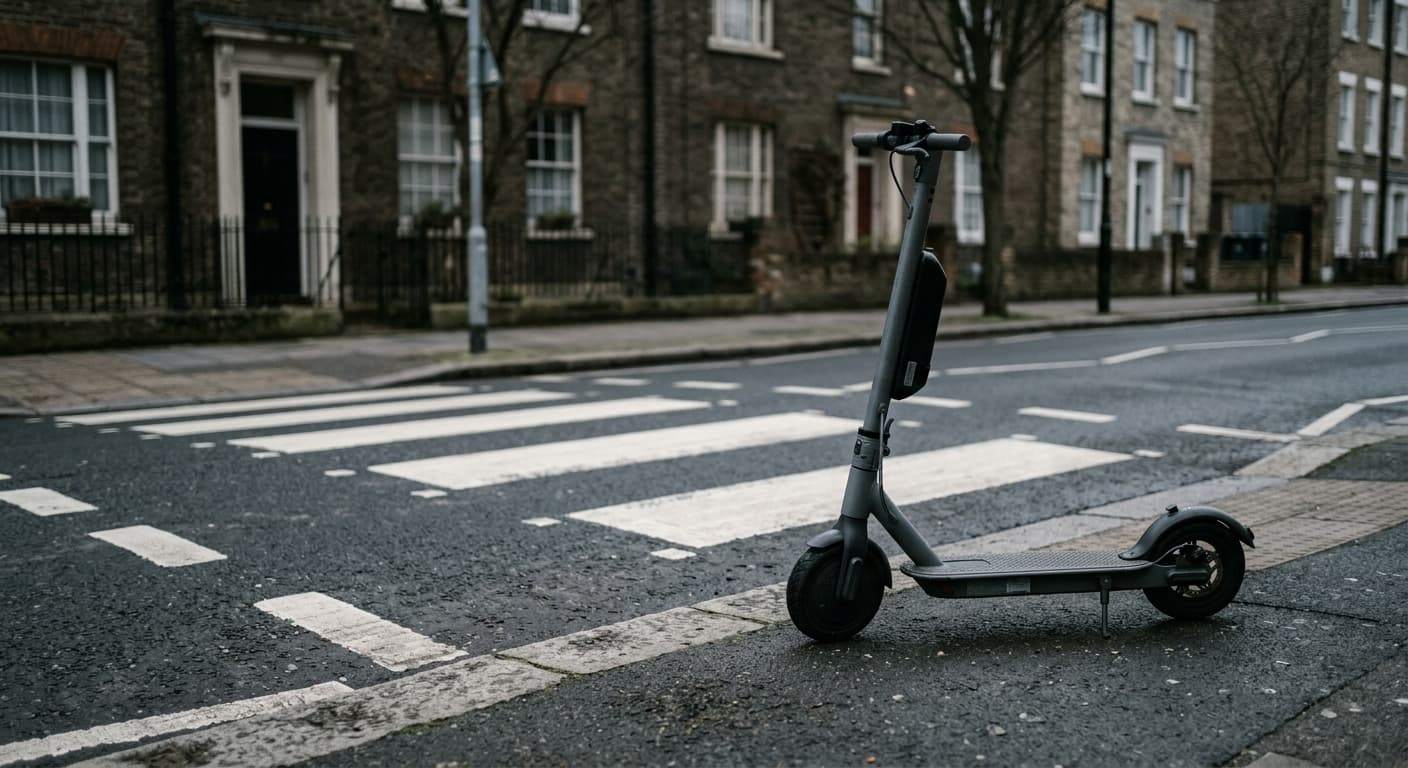
This article is general information about Missouri e-scooter laws and is not legal advice. It flags a genuinely unsettled classification question below rather than pretending it is resolved. If you plan to ride an electric scooter on a Missouri street, confirm the current treatment with the Missouri Department of Revenue, your local police department, or a Missouri attorney before assuming you may ride without a license. Information last verified on 7 September 2026.
Are e-scooters legal in Missouri?
Missouri's motor vehicle code does not contain a section that defines or regulates "electric scooters" by that name. What it does contain is RSMo § 307.180, which defines a "motorized bicycle" as "any two- or three-wheeled device having an automatic transmission and a motor with a cylinder capacity of not more than fifty cubic centimeters, which produces less than three gross brake horsepower, and is capable of propelling the device at a maximum speed of not more than thirty miles per hour on level ground, but excluding an electric bicycle, as defined in section 301.010."
The same section does use the word scooter, and the way it uses it is worth noticing. RSMo § 307.180(1) defines a "bicycle" as a human-powered vehicle on wheels more than fourteen inches in diameter, "except scooters and similar devices." The legislature knew the term and reached for it once, to push scooters out of a category rather than to place them in one. That cuts against any assumption that scooters were quietly folded into the neighboring "motorized bicycle" definition.
A common secondary-source claim is that a stand-up electric scooter falls inside that "motorized bicycle" definition anyway. Read closely, the definition is written in the language of a small internal-combustion engine, an automatic transmission and a cylinder capacity, which does not map cleanly onto an electric hub motor that has neither. The statute excludes electric bicycles specifically, but says nothing explicit about electric scooters one way or the other. Whether a throttle e-scooter counts as a "motorized bicycle" under this text is an inference, not something the statute states directly, and no Missouri Attorney General opinion, appellate decision, or Department of Revenue guidance classifying electric kick scooters was located in this research.
That classification question matters for several rules. It does not, however, decide the one most riders ask about first.
Why a driver's license is the likely answer on either reading
RSMo § 307.195 states plainly: "No person shall operate a motorized bicycle on any highway or street in this state unless the person has a valid license to operate a motor vehicle." Most discussion of Missouri scooters stops here and treats the unresolved classification as an open door: if a scooter is not a motorized bicycle, the thinking goes, no license is required.

Follow that alternative branch through the text and it closes. RSMo § 302.010(25) defines "vehicle" as "any mechanical device on wheels, designed primarily for use, or used on highways," and then lists the carve-outs: motorized bicycles, electric bicycles, vehicles propelled or drawn by horses or human power, vehicles used exclusively on fixed rails or tracks, cotton trailers, and motorized wheelchairs operated by handicapped persons. A stand-up electric scooter is a mechanical device on wheels used on highways, and it is not human-powered. So if it fails the motorized-bicycle test, the very exclusion that would have kept it out of the definition of "vehicle" falls away with it, and it lands in the residual definition instead.
RSMo § 302.020.1(1) then makes it unlawful for any person to "operate any vehicle upon any highway in this state unless the person has a valid license." "Highway" is defined in § 302.010 as "any public thoroughfare for vehicles, including state roads, county roads and public streets, avenues, boulevards, parkways, or alleys in any municipality," so this reaches ordinary city streets, not just state routes.
The result is a convergence rather than a fork. If an electric scooter is a motorized bicycle, § 307.195 requires a license. If it is not a motorized bicycle, § 302.020.1(1) requires one. Only the source section changes.
This is a reading of statutory text, not a resolved holding, and enforcement in practice may not track it. But a rider planning around "no license needed in Missouri" is planning around a conclusion the statutes do not obviously support on either branch.
What counts as an e-scooter in Missouri
Missouri's code names one device close to a scooter explicitly: the electric personal assistive mobility device (EPAMD) under RSMo § 307.205. The definition is narrow. Subsection 1 describes "a self-balancing, two nontandem wheeled device, designed to transport only one person, with an electric propulsion system with an average power of seven hundred fifty watts (one horsepower), whose maximum speed on a paved level surface, when powered solely by such a propulsion system while ridden by an operator who weighs one hundred seventy pounds, is less than twenty miles per hour."
The self-balancing requirement settles this one. That phrase describes the Segway-type machine the section was written for, a device that actively holds itself upright. A stand-up throttle kick scooter is balanced entirely by its rider and does nothing to keep itself standing. On the text of § 307.205.1, an ordinary electric kick scooter is not an EPAMD. This is a closed question, not an open one, and treating EPAMD status as a plausible fallback for kick scooters reads past the first four words of the definition.
That matters because the EPAMD category is the permissive one. Its sidewalk and bicycle-path allowance, and the pedestrian rights and duties § 307.205.2 grants its operators, are not available to a device that does not meet the definition. So the realistic candidates for a stand-up electric scooter are the "motorized bicycle" definition in § 307.180, or the residual "vehicle" definition in § 302.010(25) if it does not fit there.
What the 30 mph and 20 mph figures actually mean
Both numbers that circulate as Missouri scooter speed limits are something else. RSMo § 307.180 describes a motorized bicycle as a device "capable of propelling the device at a maximum speed of not more than thirty miles per hour on level ground." RSMo § 307.205.1 describes an EPAMD as a device whose "maximum speed on a paved level surface" is "less than twenty miles per hour."
Both sit inside definitions, and both are design-capability thresholds. They describe what the device is, not how fast its rider may travel. A machine capable of more than 30 mph is simply not a motorized bicycle; it drops out of the category rather than committing an offense by existing. Actual travel speed is governed by posted limits and the general traffic code, the same as for any other vehicle.
The one genuine roadway constraint in these sections is § 307.205.4, which provides that an EPAMD "shall be operated only on roadways with a speed limit of forty-five miles per hour or less." That is a limit on where the device may be ridden rather than how fast, and it applies to EPAMDs, which as explained above does not include a stand-up kick scooter.
Where you can ride
Because a stand-up kick scooter is not an EPAMD, the sidewalk and bicycle-path allowance in § 307.205.2 does not carry over to it.
If a scooter is treated as a motorized bicycle, the sidewalk question does have a written answer, though it sits in a chapter most riders would not think to check. RSMo § 300.347 provides that "no person shall ride a motorized bicycle upon a sidewalk." The prohibition is unqualified: the bicycle rule in the same section is limited to sidewalks "within a business district," while the motorized bicycle sentence carries no such limit.
Scope matters here. Chapter 300 is Missouri's Model Traffic Ordinance, and § 300.600 provides that it "shall become effective in any city of the state upon the adoption thereof by the legislative body of the city by an ordinance appropriately describing this ordinance or the part thereof adopted." So § 300.347 binds where a municipality has adopted the model ordinance, or written the same rule into its own code, rather than operating as a self-executing statewide ban.
The practical upshot is that riders should treat local ordinances, campus rules, and any rental operator's own terms as the operative guide to where they may actually ride in a specific Missouri location, and should not assume a sidewalk is open to them.
Rider rules
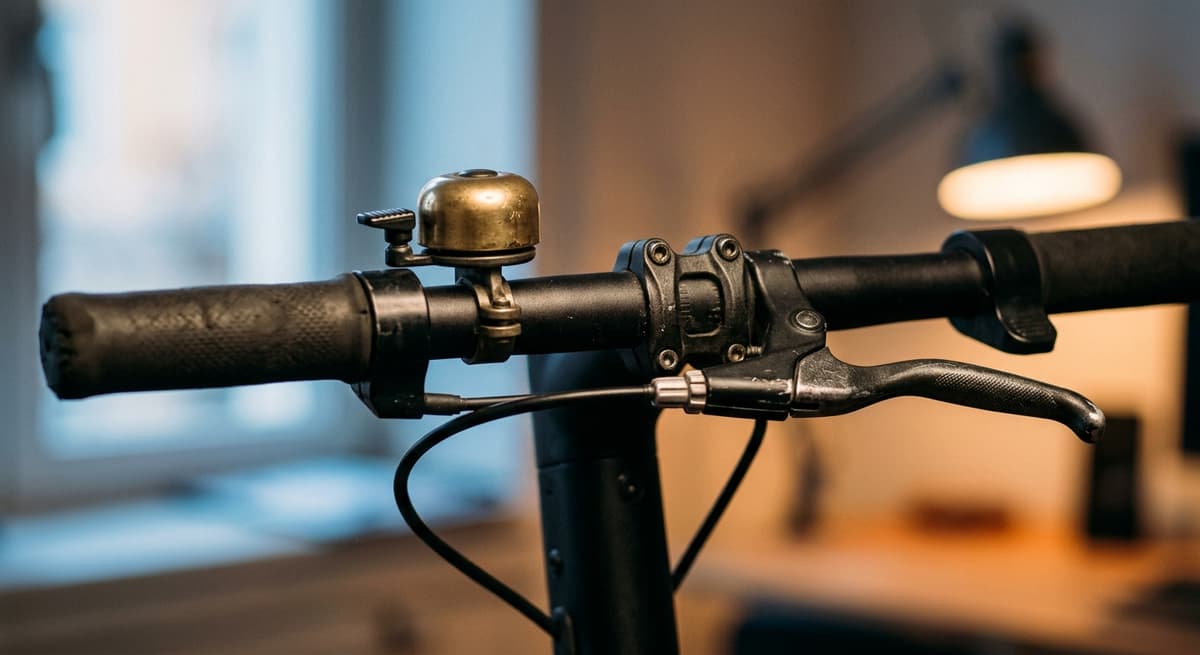
- License: Required on the text under either classification. If a scooter is a "motorized bicycle," § 307.195 requires a valid driver's license on any highway or street. If it is not, § 302.020.1(1) requires one to operate a "vehicle" on a highway. No case law or agency guidance confirming which section applies to kick scooters was located.
- Age: No minimum age specific to electric scooters was confirmed. The under-sixteen restriction in § 307.205 applies to EPAMDs, which does not reach a stand-up kick scooter. Where a license is required, Missouri's licensing rules set the practical floor.
- Sidewalks: Prohibited for motorized bicycles under § 300.347 in cities that have adopted the Model Traffic Ordinance. The EPAMD sidewalk allowance does not apply to kick scooters.
- Helmet, registration, insurance: No electric-scooter-specific requirements in these areas were confirmed in the sections researched for this page.
Penalties
If a scooter is treated as a motorized bicycle, § 307.195 supplies the penalty directly: violation of that section "shall be deemed a class C misdemeanor." The same section also bars operating a motorized bicycle on any public thoroughfare in Missouri designated as part of the federal interstate highway system.
If a scooter instead falls under the residual "vehicle" definition, the consequence for riding without a valid license comes from Missouri's general driver-licensing enforcement rather than from these sections, and no scooter-specific penalty figure was located for this page.
Enforcement in practice
No statewide enforcement data specific to electric scooters was located for this research. Enforcement patterns, wherever they exist locally, do not resolve the underlying classification question described above, and this page does not present an unverified enforcement figure as confirmed fact.
St. Louis and Kansas City e-scooter rules
St. Louis passed Ordinance 65138 in 2001, described as "establishing rules and regulations for the safe operation of motorized scooters upon the streets and alleys within the City of St. Louis," but its substantive text was not retrieved in this research, and its 2001 date predates the modern shared-scooter era, so it may or may not be the operative current rule for today's electric scooters. Kansas City has run a scooter and e-bike pilot program with multiple shared-fleet operators, referenced on the city's own site, but specific ordinance text was not retrieved for this page. Riders in either city should check the current municipal code or a rental operator's app directly.
If a scooter-related incident happens on a Missouri roadway, general Missouri DWI and negligence rules can still apply; see RecordingLaw's Missouri DUI Laws and Missouri Car Accident Laws pages, and RecordingLaw's E-Scooter Laws by State hub to compare Missouri's rules to other states.
Frequently Asked Questions
Do I need a driver's license to ride an e-scooter in Missouri?
On the statutory text, yes, under either classification. If an electric scooter is a "motorized bicycle," RSMo § 307.195 requires a valid driver's license to operate it on a highway or street. If it is not a motorized bicycle, then § 302.010(25) no longer excludes it from the definition of "vehicle," and § 302.020.1(1) makes it unlawful to operate any vehicle on a highway without a valid license. Which section applies has not been settled by a Missouri court or state agency, but both branches end at a license.
Is there a dedicated e-scooter law in Missouri?
No. Missouri's vehicle code has no section that names and regulates "electric scooters." The only place the word appears in the relevant sections is RSMo § 307.180(1), which carves "scooters and similar devices" out of the definition of "bicycle." A stand-up electric scooter is therefore governed either by the "motorized bicycle" definition or by the residual "vehicle" definition in § 302.010(25).
What is the speed cap for an e-scooter in Missouri?
Neither of the numbers commonly cited is a speed limit. The 30 mph figure in § 307.180 and the 20 mph figure in § 307.205.1 are design-capability thresholds inside definitions: they describe what the device is, not how fast a rider may go. A device capable of more than 30 mph is simply not a motorized bicycle. Actual travel speed is governed by posted limits and the general traffic code.
Can I ride an e-scooter on the sidewalk in Missouri?
Probably not, and you should not assume you may. The permissive sidewalk rule in § 307.205.2 applies to electric personal assistive mobility devices, which are defined as self-balancing devices, so it does not cover a stand-up kick scooter. If a scooter is treated as a motorized bicycle, RSMo § 300.347 says "no person shall ride a motorized bicycle upon a sidewalk," with no business-district limit. That section is part of Missouri's Model Traffic Ordinance, which under § 300.600 takes effect in a city once the city adopts it, so check the local code.
Is there a minimum age or helmet requirement for e-scooters in Missouri?
No electric-scooter-specific minimum age or helmet requirement was found in the state sections researched for this page. The under-sixteen restriction in § 307.205 applies to electric personal assistive mobility devices, which does not reach a stand-up kick scooter. Where a driver's license is required, Missouri's licensing rules set the practical age floor.
Are St. Louis or Kansas City e-scooter rules different from the rest of Missouri?
Both cities have scooter-related history (a 2001 St. Louis ordinance and a Kansas City shared-fleet pilot program), but current ordinance text was not independently confirmed for this page. Check the current municipal code or a rental operator's app directly.
Injured in Missouri? Get a free case review from a personal-injury attorney
If someone else's negligence caused your injury, you may be owed compensation for medical bills, lost wages, and pain and suffering. Get a free, no-obligation review from a Missouri personal-injury attorney. Most work on contingency, so there is no upfront cost.
Updates
Corrected the licensing analysis to show that Missouri law points to a driver’s license under either classification, closed out the electric personal assistive mobility device comparison that does not fit a stand-up kick scooter, added the statutory sidewalk rule for motorized bicycles, and clarified that the 30 mph and 20 mph figures are device-definition thresholds rather than speed limits.
Corrected the EPAMD age restriction (RSMo § 307.205(3) bars operation by persons under 16, except for those with a mobility-related disability) and removed an unsupported nighttime-lighting requirement that does not appear anywhere in § 307.205.
Governing law re-checked for recent changes
Independently fact-checked against the cited primary sources
The Law Behind This Article
This article rests on the statutory provisions below, held in our own legal record and retrieved from the official source. Tap a section to read the operative text.
Revised Statutes of Missouri, Title XIX (MOTOR VEHICLES, WATERCRAFT AND AVIATION), Chapter 307
§ 307.180Bicycle and motorized bicycle, defined.In force
As used in sections 307.180 to 307.193: (1) The word "bicycle" shall mean every vehicle propelled solely by human power upon which any person may ride, having two tandem wheels, or two parallel wheels and one or two forward or rear wheels, all of which are more than fourteen inches in diameter, except scooters and similar devices; (2) The term "motorized bicycle" shall mean any two- or three-wheeled device having an automatic transmission and a motor with a cylinder capacity of not more than fifty cubic centimeters, which produces less than three gross brake horsepower, and is capable of propelling the device at a maximum speed of not more than thirty miles per hour on level ground, but excluding an electric bicycle, as defined in section 301.010. A motorized bicycle shall be considered a motor vehicle for purposes of any homeowners' or renters' insurance policy.
Official text (excerpt) · last checked 2026-07-31 · Read the full text in our law library · Verify at revisor.mo.gov
Cited in 4 court opinions in our collectionLatest citing opinion in our collection: 2008
Opinions citing this section in our collection:
- Covert v. Fisher (Missouri Court of Appeals 2004, 151 S.W.3d 70)“…sively upon tracks except motorized bicycles, as defined in section 307.180, RSMo.” Because there is no dispute that the…”
- State v. LaPlante (Missouri Court of Appeals 2004, 148 S.W.3d 347)“…sively upon tracks except motorized bicycles, as defined in section 307.180, RSMo.” 2 Section 307.180(2) sub…”
- Meeks v. Berkbuegler (Missouri Court of Appeals 1982, 632 S.W.2d 24)“…hovels, well drillers and motorized bicycles, as defined in section 307.180, RSMo.), and every vehicle which is propelled…”
Identified automatically from the court opinions citing this section — not a ranking of which case controls.
§ 307.205Defined — requirements for operation.In force
1. For the purposes of sections 307.205 to 307.211, "electric personal assistive mobility device" (EPAMD) shall mean a self-balancing, two nontandem wheeled device, designed to transport only one person, with an electric propulsion system with an average power of seven hundred fifty watts (one horsepower), whose maximum speed on a paved level surface, when powered solely by such a propulsion system while ridden by an operator who weighs one hundred seventy pounds, is less than twenty miles per hour. 2. An electric personal assistive mobility device may be operated upon a street, highway, sidewalk, and bicycle path. Every person operating such a device shall be granted all of the rights and be subject to all of the duties applicable to a pedestrian pursuant to chapter 304. 3. Persons under sixteen years of age shall not operate an electric personal assistive mobility device, except for an operator with a mobility-related disability.
Official text (excerpt) · last checked 2026-07-31 · Read the full text in our law library · Verify at revisor.mo.gov
§ 307.195License required — operation on interstate highway prohibited — violation, penalty.In force
1. No person shall operate a motorized bicycle on any highway or street in this state unless the person has a valid license to operate a motor vehicle. 2. No motorized bicycle may be operated on any public thoroughfare located within this state which has been designated as part of the federal interstate highway system. 3. Violation of this section shall be deemed a class C misdemeanor.
Official text (excerpt) · last checked 2026-07-31 · Read the full text in our law library · Verify at revisor.mo.gov
Cited in 1 court opinions in our collectionLatest citing opinion in our collection: 2020
Opinions citing this section in our collection:
- T.K. v. Cleveland (District Court, W.D. Missouri 2020)“…hicle and stopped him for doing so.” Doc. 41, p. 16. See Mo. Rev. Stat. § 307.195(1) (“No person shall operate a motorize…”
Identified automatically from the court opinions citing this section — not a ranking of which case controls.
Search our full record of US law — 2.1 million sections, every state + federal →
Sources and References
- RSMo § 307.180 (Motorized bicycle definitions)(revisor.mo.gov).gov
- RSMo § 307.195 (Motorized bicycles, operator's license required)(revisor.mo.gov).gov
- RSMo § 307.205 (Electric personal assistive mobility devices)(revisor.mo.gov).gov
- City of St. Louis, Ordinance 65138 (motorized scooter operation rules)(stlouis-mo.gov).gov
- RecordingLaw.com, Missouri DUI Laws(recordinglaw.com)
- RecordingLaw.com, Missouri Car Accident Laws(recordinglaw.com)
- RSMo § 302.010(25) (Definitions, "vehicle" and "highway")(revisor.mo.gov)
- RSMo § 302.020 (Operation of vehicle without a valid license unlawful)(revisor.mo.gov)
- RSMo § 300.347 (Model Traffic Ordinance, riding bicycles and motorized bicycles on sidewalks)(revisor.mo.gov)
- RSMo § 300.600 (Cities may adopt the Model Traffic Ordinance by reference)(revisor.mo.gov)