
Wisconsin
Wisconsin OWI Laws: Penalties, BAC & License (2026)
Independently fact-checked against primary sources (last audited August 18, 2026). · Reviewed by the RecordingLaw editorial team. · Law checked current as of August 18, 2026. · 5 primary sources cited on this page. How we verify our legal content
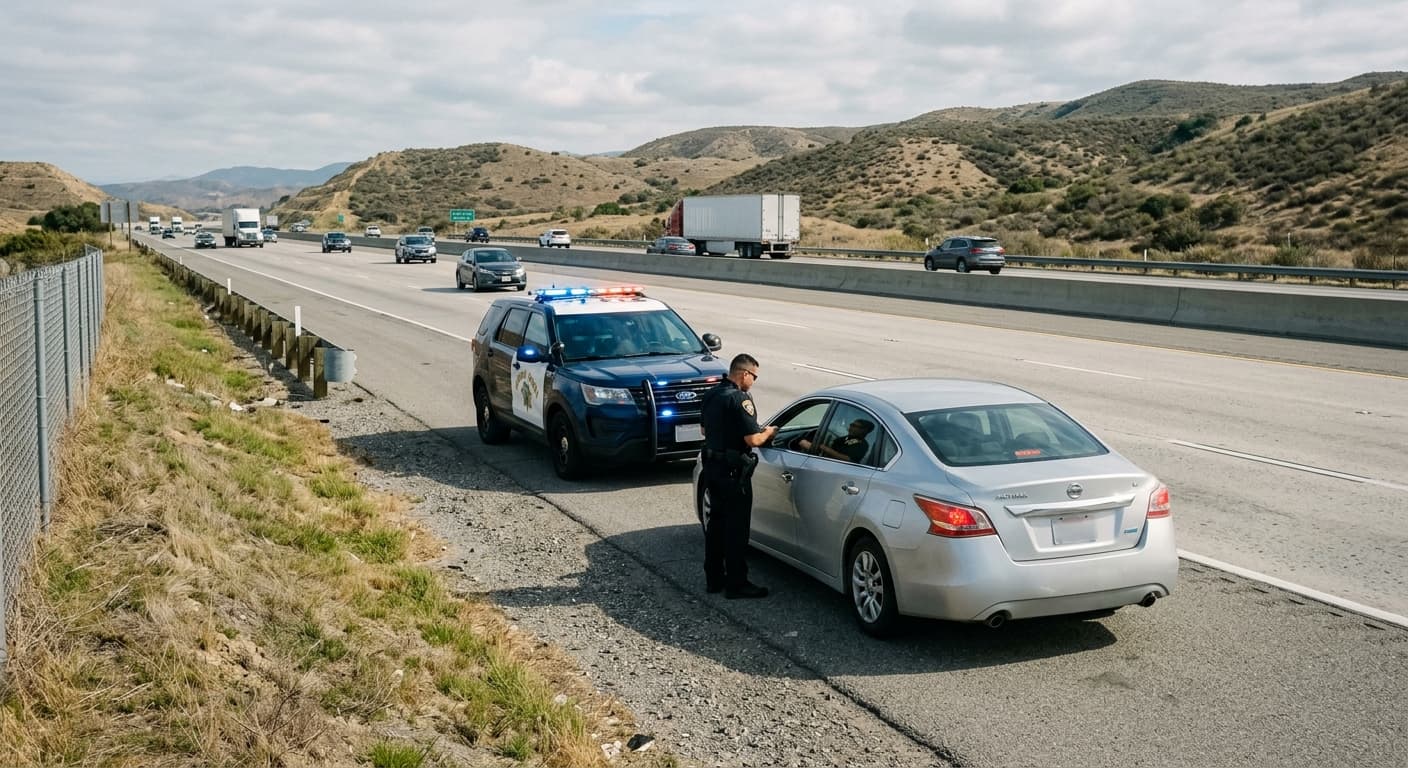
In Wisconsin the offense is called operating while intoxicated (OWI), and Wisconsin Statute 346.63 makes it unlawful to drive with a prohibited alcohol concentration. That concentration is 0.08 or more for most drivers, but only more than 0.02 for a driver with three or more prior countable offenses, under the definition at Statute 340.01(46m). Wisconsin is unusual: a first OWI is a civil, non-criminal violation with no jail, punished by a forfeiture of $150 to $300 and a six- to nine-month license revocation, according to the Wisconsin Department of Transportation.
This guide is part of our DUI Laws by State series.
What counts as an OWI in Wisconsin
Wisconsin charges the offense as operating while intoxicated under Statute 346.63. The law prohibits operating a vehicle while under the influence of an intoxicant to a degree that renders the driver incapable of safe driving, and separately under the per se rule with a prohibited alcohol concentration. Statute 346.63(1)(b) does not name a number of its own. The threshold comes from the definition at Statute 340.01(46m), which sets a prohibited alcohol concentration at 0.08 or more for a driver with two or fewer prior convictions, suspensions, or revocations counted under Statute 343.307(1), and at more than 0.02 for a driver with three or more of those priors or one subject to an order under Statute 343.301. A driver with that history is therefore already over the per se limit at 0.03. Because the impairment theory does not require a specific number, a driver under the applicable limit can still be charged if impaired. Commercial drivers face a 0.04 percent limit, and drivers under 21 fall under Wisconsin's absolute sobriety law, which bars driving with any alcohol concentration above 0.0. The 0.08 figure is the federal benchmark adopted by every state except Utah, which uses 0.05 percent, as the National Highway Traffic Safety Administration explains. Wisconsin is the only state where a first OWI is not a crime.
First-offense OWI penalties in Wisconsin (civil violation)
A first OWI in Wisconsin is a civil, non-criminal violation, which sets the state apart from every other state where a first DUI is a crime. According to the Wisconsin Department of Transportation, a first offense carries no jail time. The penalties are a forfeiture of $150 to $300 plus a substantial OWI surcharge and court costs, a driver license revocation of six to nine months, and a mandatory alcohol and other drug assessment (AODA). A first offender may apply for an occupational license to keep driving for work, school, and essential needs during the revocation. Because a first OWI is civil, it does not produce a criminal record, but it does appear on the driving record and counts as a prior if the driver is arrested again.

| First-offense item | Wisconsin rule (statute or agency) |
|---|---|
| Offense level | Civil, non-criminal (Statute 346.63) |
| Jail | None |
| Forfeiture (fine) | $150 to $300 plus surcharges (DOT) |
| License revocation | 6 to 9 months (DOT) |
| IID | Required 1 year if BAC 0.15%+ or refusal |
| Alcohol assessment | Mandatory (AODA) |
| Look-back (2nd offense) | 10 years |
Watch out: A first OWI is civil, but it is not minor. It still costs hundreds in forfeitures plus a large surcharge, takes your license for six to nine months, and counts as a prior, so a second arrest within 10 years becomes a criminal misdemeanor.
Ignition interlock requirements in Wisconsin
Wisconsin requires an ignition interlock device in more first-offense cases than its civil label suggests. According to the Wisconsin DOT, if a first-offense BAC was 0.15 percent or more, or the driver refused the chemical test, an interlock is required for one year after the driver obtains an occupational license or reinstates the regular license. For most second and later offenses, the interlock requirement is automatic regardless of BAC. The device requires a breath sample before the engine starts and at random intervals while driving, and it records every reading. A driver who would otherwise qualify may instead enter a 24/7 sobriety program in some counties. The interlock period runs from issuance of the occupational license or reinstatement, not from the date of arrest.
License revocation and the administrative process in Wisconsin
Wisconsin handles the OWI charge and the license action together for a first offense because the matter is civil, but a separate administrative suspension can apply at arrest. When a driver fails or refuses the chemical test, the officer can serve a notice of intent to suspend, and the Wisconsin DOT can impose an administrative suspension that runs alongside the court case. On conviction of a first OWI, the operating privilege is revoked for six to nine months. The driver may apply for an occupational license, subject to waiting periods and limits on hours and purposes of driving. Reinstatement requires completing the alcohol assessment and any recommended program, installing an interlock if required, paying reinstatement fees, and filing proof of insurance (an SR-22) where required.
Repeat offenses and the Wisconsin look-back period
Wisconsin escalates penalties sharply for repeat OWIs, and the counting rules are complex. A second OWI is a crime if the prior offense occurred within 10 years; under Statute 346.65, it is a misdemeanor carrying 5 days to 6 months in jail and a $350 to $1,100 fine plus surcharges, with license revocation set separately under Wisconsin's vehicle code. A third OWI is always a misdemeanor, and for a third or later offense Wisconsin counts all prior OWI convictions for life, not just those within 10 years. A fourth OWI is a felony, and a fifth or sixth OWI is a Class G felony carrying significant prison time and fines up to $25,000. Homicide by intoxicated use of a vehicle is always a felony. Wisconsin splits drunk-driving injury cases into two separate offenses, and the difference is the severity of the harm. Injury by intoxicated use of a vehicle, Statute 940.25, is a Class F felony on a first offense with no prior required whenever the driver causes great bodily harm. The lesser offense of causing injury under Statute 346.63(2) is a misdemeanor on a first offense, penalized under Statute 346.65(3m) by a fine of $300 to $2,000 and a jail term of not less than 30 days and not more than one year; it becomes a Class H felony under Statute 346.65(3p) if the driver has a prior OWI-related conviction, suspension, or revocation, and Statute 346.65(3m) also makes it a felony if there was a minor passenger under 16 in the vehicle. The felony line for repeat drinking-and-driving alone is therefore the fourth offense.
Watch out: Refusing the chemical test is its own violation in Wisconsin. A refusal triggers a one-year revocation and a mandatory interlock, separate from and often longer than the penalties for simply failing the test on a first offense.
Refusing a breath or blood test in Wisconsin
Wisconsin's implied consent law, in Statute 343.305, provides that by driving in the state you have agreed to a chemical test of breath, blood, or urine if lawfully arrested for OWI. Refusing the test is a separate civil violation with its own penalties. According to the Wisconsin DOT, a first refusal results in a one-year revocation and a mandatory one-year ignition interlock requirement. Refusal penalties escalate with prior offenses. Because the refusal revocation is a full year, longer than the six- to nine-month revocation for a first OWI, refusing usually makes the license consequences worse, and the refusal itself can be used as evidence in the OWI case. A driver may demand a refusal hearing within the short statutory window to contest it.
Can you expunge or seal an OWI in Wisconsin
Wisconsin's expungement statute, Statute 973.015, does not exclude OWI by name, but its eligibility rule is narrow enough that most OWI convictions never qualify. A court may order a record expunged only where the person was under 25 at the time of the offense and the maximum term of imprisonment for that offense is 6 years or less, and the statute bars expungement outright for certain Class H and Class I felonies, including where the person has a prior felony conviction or the offense was a violent one. That leaves a real but narrow path for a criminal OWI, meaning a second or third offense misdemeanor or a Class H fourth offense, and only for a driver young enough to meet the age condition.
Two limits matter even when an expungement is granted. Expungement does not clear the driving record, because Statute 973.015(1m)(a)1. expressly leaves in place the conviction information the Department of Transportation must keep under Statute 343.23(2)(a). And the Wisconsin Supreme Court held in 2018 that an expunged prior OWI still counts when grading penalties for a later OWI. A first OWI is civil, so it does not create a criminal record to expunge in the first place, though it still appears on the driving record and counts as a prior. The practical result is that OWI history follows a driver: a first offense within 10 years makes a second a crime, and Wisconsin counts all priors for life once a driver reaches a third offense.
What to do after an OWI arrest in Wisconsin
A Wisconsin OWI involves a court case and a license action through the DMV. The deadlines are short, especially the window to demand a refusal hearing if you refused the test, so a common first step is to read the paperwork the officer served and note every date. The court case proceeds on its own schedule, and even a first, civil offense carries real costs, a license revocation, and a mandatory alcohol assessment. General information cannot tell you how your case will come out, since the outcome depends on the specific facts, the evidence, and your record. Many people consult a licensed Wisconsin OWI attorney to understand the charge, the assessment, the interlock and occupational license rules, and the deadlines for both the court case and the license case. Keep the citation, the notice of suspension, and any test results in a safe place.
More Wisconsin Laws
Frequently Asked Questions
What is the BAC limit in Wisconsin?
Statute 346.63 bars driving with a prohibited alcohol concentration, and Statute 340.01(46m) defines that as 0.08 or more for a driver with two or fewer prior convictions, suspensions, or revocations counted under Statute 343.307(1), and as more than 0.02 for a driver with three or more of those priors or one subject to an order under Statute 343.301. Commercial drivers are limited to 0.04 percent, and drivers under 21 fall under Wisconsin's absolute sobriety law, which bars driving with any alcohol concentration above 0.0.
Is a first OWI a crime in Wisconsin?
No. Wisconsin is the only state where a first OWI is a civil, non-criminal violation with no jail. It is punished by a forfeiture of $150 to $300 plus surcharges and a six- to nine-month license revocation, and it does not create a criminal record, though it counts as a prior.
How long do you lose your license for a first OWI in Wisconsin?
A first OWI conviction carries a six- to nine-month driver license revocation. A driver may apply for an occupational license to keep driving for work, school, and essential needs during the revocation, subject to waiting periods and limits.
Is a second OWI a felony in Wisconsin?
No. A second OWI within 10 years is a criminal misdemeanor carrying 5 days to 6 months in jail. OWI becomes a felony at the fourth offense, and a fifth or sixth OWI is a Class G felony. Homicide by intoxicated use of a vehicle is a felony, and injury by intoxicated use of a vehicle under Statute 940.25 is a Class F felony on a first offense whenever the driver causes great bodily harm. The lesser offense of causing injury under Statute 346.63(2) is a misdemeanor on a first offense and becomes a felony when the driver has a prior OWI-related conviction, suspension, or revocation, or a passenger under 16.
Do you need an interlock for a first OWI in Wisconsin?
Only in some cases. An ignition interlock device is required for one year on a first offense if the BAC was 0.15 percent or higher or the driver refused the chemical test. For most second and later offenses, the interlock requirement is automatic.
What happens if you refuse a breathalyzer in Wisconsin?
Refusing the chemical test is a separate violation under implied consent. A first refusal triggers a one-year license revocation and a mandatory one-year ignition interlock requirement, longer than the revocation for a first OWI, and the refusal can be used as evidence.
Can you get an OWI expunged in Wisconsin?
Sometimes, but the path is narrow. Wisconsin's expungement statute, Statute 973.015, does not exclude OWI by name, but it reaches a conviction only where the person was under 25 at the time of the offense and the maximum term of imprisonment is 6 years or less, and it bars certain Class H and Class I felonies outright. A first OWI is civil and creates no criminal record to expunge. Expungement also does not clear the Department of Transportation driving record, and an expunged prior OWI still counts toward later penalties.
What is the look-back period for OWI in Wisconsin?
For a second offense, Wisconsin uses a 10-year look-back, so a prior within 10 years makes a second OWI a crime. For a third or later offense, Wisconsin counts all prior OWI convictions for life regardless of how long ago they occurred.
Facing a warrant, DUI, or criminal charge in Wisconsin? Get a free case review
An active warrant or a criminal charge like DUI puts your freedom, license, and record at risk, and deadlines to act, like challenging a license suspension or resolving a warrant before an arrest, can be just days away. Get a free, confidential review from a Wisconsin criminal defense attorney. Acting quickly protects your options.
Updates
Corrected the Wisconsin OWI page's expungement rule, added the 0.02 prohibited alcohol concentration that applies to repeat drivers, and separated the Class F felony of injury by intoxicated use of a vehicle from the lesser injury offense under Statute 346.63(2).
Fixed a dead citation link to Wisconsin Statute 346.65; the correct live URL is now used both in the citations list and inline in the article body.
Independently fact-checked against the cited primary sources; governing law re-checked for recent changes
Removed the license-revocation figure incorrectly attributed to Statute 346.65 (a fine/jail statute with no revocation language) in both the KeyTakeaways and the Repeat-offenses section, and corrected the claim that injury OWI is always a felony regardless of offense number -- it is a felony only with a prior conviction/suspension/revocation or a minor passenger under 16.
Corrected the FAQ so injury OWI's felony status reflects the conditions in Wis. Stat. 346.65(3m) and (3p).
Governing law re-checked for recent changes
Reviewed and approved by an editor
The Law Behind This Article
This article rests on the statutory provisions below, held in our own legal record and retrieved from the official source. Tap a section to read the operative text.
Wisconsin Statutes, Chapter 346: Rules Of The Road
§ 346.63Operating under influence of intoxicant or other drug.In force
(1) No person may drive or operate a motor vehicle while: (a) Under the influence of an intoxicant, a controlled substance, a controlled substance analog or any combination of an intoxicant, a controlled substance and a controlled substance analog, under the influence of any other drug to a degree which renders him or her incapable of safely driving, or under the combined influence of an intoxicant and any other drug to a degree which renders him or her incapable of safely driving; or (am) The person has a detectable amount of a restricted controlled substance in his or her blood. (b) The person has a prohibited alcohol concentration. (c) A person may be charged with and a prosecutor may proceed upon a complaint based upon a violation of any combination of par. (a), (am), or (b) for acts arising out of the same incident or occurrence. If the person is charged with violating any combination of par. (a), (am), or (b), the offenses shall be joined. If the person is found guilty of any combination of par.
Official text (excerpt) · last checked 2026-09-05 · Read the full text in our law library · Verify at docs.legis.wisconsin.gov
Cited in 191 court opinions in our collectionLatest citing opinion in our collection: 2025
Opinions citing this section in our collection:
- State v. Michael R. Tullberg (Wisconsin Supreme Court 2014, 359 Wis. 2d 421)“…Contrary to Wis. Stat. § 940.06 (1). Contrary to Wis. Stat. § 346.63 (2)(a)l. One count was for injuring A.M…”
- County of Jefferson v. Renz (Wisconsin Supreme Court 1999, 231 Wis. 2d 293)“…olation of Jefferson County ordinance 83.16, [4] adopting Wis. Stat. § 346.63 (1)(a). In addition, after blood tests…”
- State v. Dean M. Blatterman (Wisconsin Supreme Court 2015, 362 Wis. 2d 138)“…at. § 340.01(1v)(a), (b). 3 Contrary to Wis. Stat. §§ 346.63(1)(b) and 340.01(46m)(c).…”
Identified automatically from the court opinions citing this section — not a ranking of which case controls.
§ 346.65Penalty for violating sections 346.62 to 346.64.In force
(1) Except as provided in sub. (5m), any person who violates s. 346.62 (2): (a) May be required to forfeit not less than $50 nor more than $400, except as provided in par. (b). (b) May be fined not less than $100 nor more than $1,000 or imprisoned for not more than one year in the county jail or both for a 2nd or subsequent violation. (2) (am) Any person violating s. 346.63 (1): 1. Shall forfeit not less than $150 nor more than $300, except as provided in subds. 2. to 7. and par. (f). 2. Except as provided in pars. (bm) and (f), shall be fined not less than $350 nor more than $1,100 and imprisoned for not less than 5 days nor more than 6 months if the number of convictions under ss. 940.09 (1) and 940.25 in the person’s lifetime, plus the total number of suspensions, revocations, and other convictions counted under s. 343.307 (1) within a 10-year period, equals 2, except that suspensions, revocations, or convictions arising out of the same incident or occurrence shall be counted as one. 3. Except as provided in pars.
Official text (excerpt) · last checked 2026-07-29 · Read the full text in our law library · Verify at docs.legis.wisconsin.gov
Cited in 77 court opinions in our collectionLatest citing opinion in our collection: 2022
Opinions citing this section in our collection:
- State v. Patrick H. Dalton (Wisconsin Supreme Court 2018, 383 Wis. 2d 147)“…uired a criminal penalty. See Wis. Stat. § 346.65(2)(am)2. Birchfield's expans…”
- State v. Michael R. Luedtke (Wisconsin Supreme Court 2015)“…rd offense can result in up to one year in jail. Wis. Stat. § 346.65(2)(am)2-3. A fourth o…”
- State v. Delaney (Wisconsin Supreme Court 2003, 259 Wis. 2d 77)“…properly applied to his already enhanced OWI offense under Wis. Stat. § 346.65 (2)(c), based on the existence of a pas…”
Identified automatically from the court opinions citing this section — not a ranking of which case controls.
Search our full record of US law — 2.1 million sections, every state + federal →
Sources and References
- Wisconsin Statute 346.63, operating while intoxicated (OWI), 0.08% per se limit and commercial/under-21 rules(docs.legis.wisconsin.gov).gov
- Wisconsin Statute 346.65, OWI penalties (first civil offense, second misdemeanor, fifth/sixth Class G felony)(docs.legis.wisconsin.gov).gov
- Wisconsin DOT, first OWI offense (forfeiture, 6-9 month revocation, interlock at 0.15% or refusal)(wisconsindot.gov).gov
- Wisconsin DOT, OWI and related alcohol and drug offense penalty chart(wisconsindot.gov).gov
- NHTSA, drunk driving and the 0.08% federal BAC standard(nhtsa.gov).gov
- Wisconsin Statute 340.01(46m), definition of prohibited alcohol concentration (0.08 with 2 or fewer priors; more than 0.02 with 3 or more priors or under a s. 343.301 order)(docs.legis.wisconsin.gov)
- Wisconsin Statute 973.015, expungement of records (under 25 at the offense, maximum term 6 years or less; DOT record under s. 343.23(2)(a) not expunged)(docs.legis.wisconsin.gov)
- Wisconsin Statute 940.25, injury by intoxicated use of a vehicle, a Class F felony on a first offense causing great bodily harm(docs.legis.wisconsin.gov)