
United Kingdom
Miranda Rights UK: What the PACE Caution Actually Says
Independently fact-checked against primary sources (last audited August 20, 2026). · 4 primary sources cited on this page. How we verify our legal content
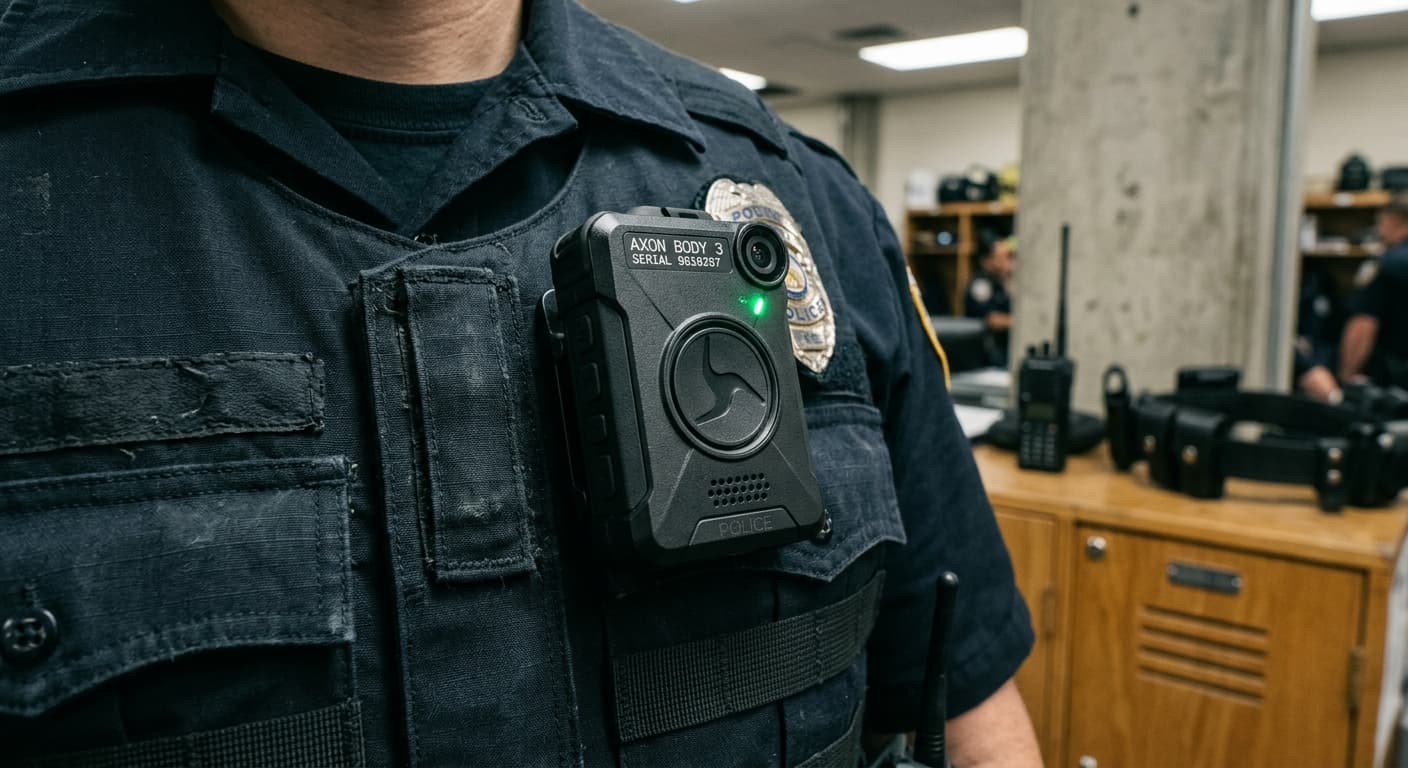
There is no such thing as "Miranda rights" in the UK. Police in England and Wales are not required to recite a fixed list of rights before questioning a suspect. The nearest equivalent is the police caution, and how it works, and what happens if you stay silent, differs from the US position in three ways that actually matter. This guide covers England and Wales; Scotland runs a separate detention and questioning framework under the Criminal Justice (Scotland) Act 2016, and Northern Ireland has its own system too.
There Is No Miranda Warning, But There Is a Caution
Police in England and Wales must give a caution at defined points, including on arrest and before a formal interview, and again when a person is charged. The wording, set out in PACE Code C paragraph 10.5, is:
"You do not have to say anything. But it may harm your defence if you do not mention when questioned something which you later rely on in Court. Anything you do say may be given in evidence."
The version given on charge, at paragraph 16.2, is near identical, using "now" instead of "when questioned." Under paragraph 10.7, officers do not have to recite the caution word for word; minor deviations are fine as long as the sense is preserved, which is itself a contrast with the precise scripted warning US officers give.
Code C also sets out a different, shorter caution for use where the adverse-inference rules below do not currently apply, such as when a suspect has not yet had the chance to speak to a solicitor. It drops the "may harm your defence" warning. This guide does not reproduce that alternative wording; the point to take from it is that the caution given can change depending on your situation, and it is not one fixed script.
For the full detail on the caution and what happens at each stage of an arrest, see our guides to police caution and being arrested.
The Real Difference: Silence Can Be Held Against You
This is the sharpest contrast with the US position. Under the Fifth Amendment, a US suspect's post-Miranda silence generally cannot be used against them by the prosecution. In England and Wales, it can, within limits, under sections 34, 36 and 37 of the Criminal Justice and Public Order Act 1994.

Section 34 allows a court or jury to draw "such inferences as appear proper" where a suspect, when questioned under caution or charged, fails to mention a fact they later rely on in their defence at trial. Sections 36 and 37 work the same way for failing to account for an object, substance or mark found on arrest, or for a suspect's presence at a particular place, but only after a constable has first explained, in ordinary language, what happens if the suspect stays silent.
None of this makes an inference automatic or unconditional. Section 34(2A) blocks the inference entirely if the suspect was at an authorised place of detention and had not been given the opportunity to consult a solicitor before being questioned or charged. In other words, staying silent after getting legal advice can count against you; staying silent because you were denied a solicitor cannot. For more on how these inference rules work, see our guide to the right to remain silent.
The Right to Free Legal Advice at the Police Station
The US right to counsel has a UK equivalent, delivered differently. PACE Code C paragraph 6.1 requires every detainee to be told they can consult a solicitor privately at any time, and specifically "that free independent legal advice is available." Officers must not do or say anything to discourage someone from getting it (paragraph 6.4), and access can only be delayed in narrow, senior-officer-authorised circumstances; otherwise the custody officer must arrange it without delay once requested (paragraph 6.5).

The mechanism is different from the US system of court-appointed counsel. In England and Wales, a duty solicitor is available at the police station itself, free of charge, regardless of income, before any interview takes place. Whether you already have your own solicitor or use the duty scheme, eligibility for ongoing free representation once a case goes further is covered in our guide to legal aid eligibility.
US Miranda Warning vs UK Caution, at a Glance
| US Miranda warning | UK caution (England and Wales) | |
|---|---|---|
| Effect of silence | Generally cannot be used against you by the prosecution | Can support a "proper" inference under s.34, subject to conditions |
| Right to a lawyer | Court-appointed counsel if you cannot afford one | Free duty solicitor at the police station under PACE Code C |
| When given | Before custodial interrogation | On arrest or before interview (para 10.5), and again on charge (para 16.2) |
| Exact wording | Must be recited in full | Officers need not recite it word for word (para 10.7) |
This is a general comparison, not legal advice for a specific case. Anyone facing UK police questioning should get advice from a duty solicitor at the station rather than relying on assumptions carried over from US procedure. For the wider picture on arrest and detention, see the UK Criminal Law hub.
Frequently Asked Questions
Does the UK have Miranda rights?
No. There is no UK equivalent called 'Miranda rights.' In England and Wales, police give a caution under PACE Code C instead, and unlike the US position, staying silent can, in limited circumstances, count against a suspect at trial.
What happens if I stay silent when questioned by UK police?
Staying silent is still a right, but under section 34 of the Criminal Justice and Public Order Act 1994, a court or jury may draw a proper inference from failing to mention, when questioned, a fact you later rely on at trial. This does not apply if you had not yet been allowed to consult a solicitor.
Is legal advice free at a UK police station?
Yes. PACE Code C paragraph 6.1 entitles everyone in police custody in England and Wales to free, independent legal advice from a duty solicitor, regardless of income, before questioning.
What is the exact wording of the UK police caution?
The standard caution under PACE Code C paragraph 10.5 is: 'You do not have to say anything. But it may harm your defence if you do not mention when questioned something which you later rely on in Court. Anything you do say may be given in evidence.' Officers do not have to recite it word for word under paragraph 10.7.
Does Scotland use the same caution and silence rules as England and Wales?
No. Scotland operates its own detention and questioning framework under the Criminal Justice (Scotland) Act 2016, which is not covered in detail on this page. Northern Ireland also has its own separate system.
Updates
Independently fact-checked against the cited primary sources
Sources and References
- PACE Code C 2023 (Codes of Practice), section 10 (Cautions) and section 6 (Right to legal advice)(gov.uk).gov
- Criminal Justice and Public Order Act 1994, section 34 (Effect of accused's failure to mention facts when questioned or charged)(legislation.gov.uk).gov
- Criminal Justice and Public Order Act 1994, section 36 (Effect of accused's failure or refusal to account for objects, substances or marks)(legislation.gov.uk).gov
- Criminal Justice and Public Order Act 1994, section 37 (Effect of accused's failure or refusal to account for presence at a particular place)(legislation.gov.uk).gov