Right of First Refusal Manitoba
Independently fact-checked against primary sources (last audited August 5, 2026). · 5 primary sources cited on this page. How we verify our legal content

In Manitoba, a right of first refusal is an optional clause parents may add to a parenting agreement or parenting order. It requires the parent scheduled to have the child to offer that time to the other parent before arranging a babysitter or leaving the child with a third party, including grandparents.
A right of first refusal is optional protection that separating or divorcing parents may build into their parenting arrangement. A court may include it in a parenting order where doing so fits the child's best interests.
The clause applies whenever the parent scheduled to have the child cannot provide that care, whether because of work, illness, travel or any other reason. That parent must first offer the time to the child's other parent. Only if the other parent declines or cannot take the time does a babysitter, grandparent, step-parent or other third party come next.
Quick take: Manitoba right of first refusal clause explained
-
A right of first refusal is not a mandatory term in Manitoba parenting agreements or parenting orders.
-
If your parenting arrangement includes the clause, you must offer the time to the other parent before leaving the child with a third party.
-
If the other parent cannot take the time, you may then hire a babysitter or leave the child with a family member.
-
A written parenting plan agreement must be incorporated into a parenting or contact order unless the court finds that is not in the child's best interests. Once incorporated, its terms have the force of a court order.
-
Failing to obey a court order may lead to contempt proceedings, a fine and possible jail time.
-
Unlawfully withholding a child from a person entitled to custody or access breaches a court order.
-
If you are denied your court-ordered time with your child, you may apply to the court, and in the situations listed in section 9(1) a court may direct police to locate and deliver the child.
-
Where there is a genuine safety concern, apply to the court promptly rather than simply withholding the child on your own.
What is the meaning of Right of First Refusal in Manitoba?
Manitoba's Family Law Act took effect on July 1, 2023. Section 124 repealed The Family Maintenance Act except Part VI, its part on enforcement of maintenance orders, and the new Act adopts the terms "parenting time" and "decision-making responsibility" in place of "custody" and "access." Support enforcement moved at the same time to The Family Support Enforcement Act, C.C.S.M. c. F26, which also came into force on July 1, 2023 and whose section 104 repealed that remaining Part VI. For details on calculating payments, see our guide to Manitoba child support laws.
Parents can settle parenting arrangements between themselves, and the Act gives a written agreement real weight. Under section 44(1), the court must incorporate a written parenting plan agreement between the parties into a parenting order or contact order unless it considers that doing so is not in the child's best interests, in which case it may make any modifications to the agreement in the order that it considers appropriate. Section 44(2) defines a parenting plan agreement as a document, or part of one, containing the elements relating to parenting time, decision-making responsibility or contact that the parties agree on. Section 92 separately allows the court to incorporate all or part of any written agreement between the parties into an order made under the Act; unless the court orders otherwise, the order replaces the incorporated part and the rest of the agreement remains in effect.
A right of first refusal is one term parents may negotiate into that agreement. Manitoba law does not require it, and it is not one of the standard clauses the Court of King's Bench publishes for orders in family proceedings, so parents who want one draft the wording themselves.
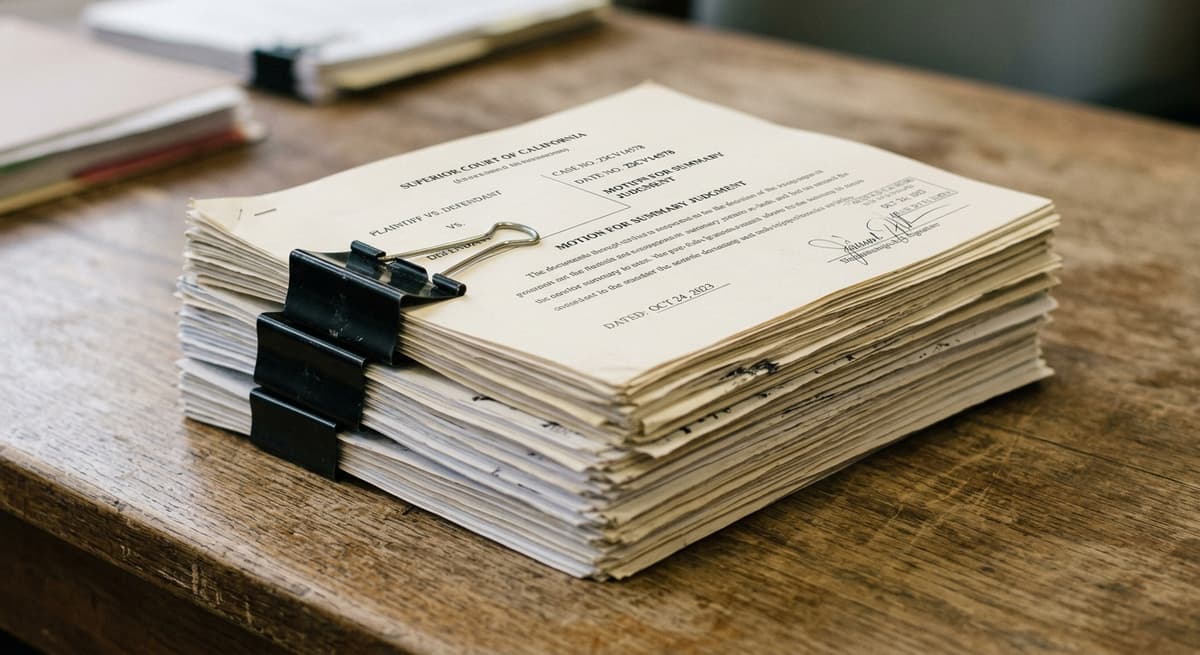
Because the clause is negotiated rather than standard, its reach depends entirely on how it is written. Questions worth settling with your lawyer include how long an absence has to be before the clause applies, who counts as a third party, and how the offer has to be made. Vague wording is the usual source of later disputes.
A note on vocabulary. The Family Law Act uses "parenting time" and "decision-making responsibility." The Child Custody Enforcement Act, which supplies the enforcement powers discussed below, still uses the older words "custody" and "access." The gap is bridged in the enforcement statute itself: section 1 of The Child Custody Enforcement Act, amended when The Family Law Act came into force, defines a "custody order" to include a parenting order made under The Family Law Act or the Divorce Act (Canada), and defines "access" to include contact with a child. So the provisions quoted below reach a modern parenting order even though they are written in the older words.
Can a parenting order contain a Right of First Refusal?
Yes, where the court is satisfied the clause serves the child's best interests. Section 35 of the Family Law Act sets out the best interests test the court applies to parenting arrangements.
Your parenting agreement should also set out a dispute resolution process. If the other parent does not follow the clause, that process gives you a step to take before going back to court.
A right of first refusal works better when the agreement also answers the obvious follow-up question: what happens when the other parent cannot take the offered time. Saying so in writing removes the most common argument the clause creates.
How to enforce a parenting agreement in Manitoba
Section 9(3) of the Child Custody Enforcement Act, headed "Duty to act," states:
"A peace officer, police force or an agency directed to act by an order under subsection (1) shall do all things reasonably able to be done to locate, apprehend and deliver the child in accordance with the order."
That power flows from a court order, not from a phone call. If a parent disobeys an order, the other parent applies to the court, and the court decides what enforcement step follows.
When can the court issue an order to locate and take a child in Manitoba?
Section 9(1) lets a court act where it is satisfied there are reasonable and probable grounds for believing that:
-
any person is unlawfully withholding a child from a person entitled to custody of or access to the child;
-
a person who is prohibited by court order, family arbitration award or separation agreement from removing a child from Manitoba proposes to remove the child or have the child removed from Manitoba; or
-
a person entitled to access to a child proposes to remove the child or have the child removed from Manitoba and the child is not likely to return.
Where one of those grounds is made out, the court may authorize the applicant to apprehend the child, direct a peace officer, police force or agency to locate, apprehend and deliver the child, or do both.
Section 9 is not the only route. Under section 47 of The Family Law Act, on an application for a parenting order or contact order, or a comparable order under the Divorce Act (Canada), the court may authorize the applicant, or someone acting on their behalf, to locate and apprehend the child, in which case section 9 of The Child Custody Enforcement Act applies with necessary changes, and it may also order a person, the government or another entity to disclose an address held in its records. On timing, section 9(7) of The Child Custody Enforcement Act allows a section 9(1) application to be brought within a custody or access application under The Family Law Act at any time.
What happens when access to a child is wrongfully denied in Manitoba?
Section 14(1) of the Child Custody Enforcement Act, headed "Contempt of court orders," states:
"Every court may punish any contempt of or resistance to its process or orders in respect of custody or of access to a child by a fine of not more than $500. or imprisonment for not more than six months or both."
Section 14(2) adds that an order for imprisonment under subsection (1) may be made conditional upon default in the performance of a condition set out in the order, and may provide for the imprisonment to be served intermittently.
Contempt is the court's last resort. Section 14.1 supplies the more common remedies, and it has preconditions. Section 14.1(1) applies where a person holding an order for access to a child at specific times or on specific days has been wrongfully denied that access by a person holding a custody order. Taking the child's best interests into account, the court may make one or both of the following orders: require the respondent to reimburse the applicant for reasonable expenses actually incurred as a result of the denial, or require that the access be supervised where a person or agency is willing and able to provide proper supervision. Section 14.1(2) provides the same two remedies where a person has wrongfully failed to exercise access or to return the child as the order requires. An order that sets only a general or flexible schedule, with no specific times or days, may not support a section 14.1 application, which is one more reason to write a precise schedule.
Can my partner stop me from having access to my children in Manitoba?
A parent cannot lawfully rewrite an order on their own. Withholding a child without a court order is the conduct sections 14(1) and 14.1 are aimed at, so acting unilaterally carries real exposure to an order reimbursing the other parent's expenses, supervised access, or a contempt finding.
Safety is the exception that matters. Where there is a genuine concern, such as domestic abuse, substance abuse, criminal activity in the home, or behaviour that puts the child at risk, apply to the court to vary or restrict the other parent's time, and do it promptly. A parent who keeps the child back in an emergency and then goes to court is in a very different position from one who simply stops complying and waits.
Should you include a Right of First Refusal in your parenting agreement?
The clause suits parents who live close to each other and communicate reasonably well. It gives the child more time with a parent instead of a sitter, at the cost of more contact between the parents.
Where the relationship is strained, a detailed parenting schedule can cause less friction than a right of first refusal, because it settles in advance who has the child and when, rather than creating a new negotiation every time plans change.
If you are working out the arrangement, consider these practical steps:
-
Keep an open line of communication with the other parent.
-
Put the child's best interests first. If an arrangement is causing the child problems, revisit it.
-
Include a dispute resolution process in the agreement.
-
Keep the wording simple, specific and measurable, including any time threshold.
-
Put every agreement and every change in writing.
-
Do not stop following a court order without applying to the court.
At what age can a child make the decision not to see a parent in Manitoba?
Manitoba's Family Law Act does not set an age at which a child chooses where to live or whom to see. The court decides parenting time and decision-making responsibility on the child's best interests.
The child's voice is part of that test. Section 35(3)(e) requires the court to consider the child's views and preferences, giving due weight to the child's age and maturity, unless they cannot be ascertained.
Two practical points follow:
-
Section 35(3)(e) does not prescribe how a child's views are to be gathered. Ask a lawyer licensed in Manitoba what method the court will expect in your case.
-
A person attains the age of majority in Manitoba at 18, under section 1 of The Age of Majority Act, C.C.S.M. c. A7.
What happens if a child does not want to visit the other parent in Manitoba?
A parenting order stays in force until a court varies it, so a child's reluctance does not on its own excuse missed visits. Simply letting them stop puts you at risk of the remedies in sections 14(1) and 14.1.
If the refusal is rooted in a safety issue such as violence or abuse, speak with a lawyer and apply to the court to vary the parenting arrangement rather than letting the order lapse in practice.
If you are the parent being denied time, your route is an application to the court under the Child Custody Enforcement Act. Where your order sets your time at specific times or on specific days, the court can order reimbursement of your reasonable expenses or supervised access under section 14.1, and it can treat the denial as contempt under section 14(1).
How to get out of a Right of First Refusal clause in Manitoba
You cannot remove the clause on your own once it is part of an order. You may apply to the court to vary the order, or you and the other parent may agree on a change through mediation or negotiation and ask the court to incorporate the new terms under section 92.
Speak with a lawyer licensed in Manitoba before you act if your agreement or order contains a right of first refusal and it is no longer working.
Related Canadian Guides
Frequently Asked Questions
Is a Right of First Refusal mandatory in Manitoba parenting orders?
No. It is an optional clause parents can include in a parenting agreement, or that a court can include in a parenting order under Manitoba's Family Law Act where it fits the child's best interests. No Manitoba statute requires it, and it is not one of the standard clauses the Court of King's Bench publishes for family orders.
What replaced Manitoba's Family Maintenance Act?
The Family Law Act, C.C.S.M. c. F20, and The Family Support Enforcement Act, C.C.S.M. c. F26, both of which came into force on July 1, 2023. Section 124 of the Family Law Act repealed The Family Maintenance Act except its Part VI on enforcement of maintenance orders, which section 104 of The Family Support Enforcement Act repealed at the same time. The Family Law Act uses the terms 'parenting time' and 'decision-making responsibility' instead of the older terms 'custody' and 'access.'
What happens if a parent breaks a Right of First Refusal clause in Manitoba?
If the clause sits in a parenting order, or in a written agreement whose terms a court has incorporated into an order under section 44 or section 92 of the Family Law Act, breaking it breaches a court order. Under section 14(1) of The Child Custody Enforcement Act a court may punish contempt with a fine of not more than $500, imprisonment of not more than six months, or both.
How do I enforce my parenting time if the other parent denies it?
Apply to the court under The Child Custody Enforcement Act. If your order gives you access at specific times or on specific days, section 14.1 lets the court, taking the child's best interests into account, make one or both of two orders: reimbursement of your reasonable expenses actually incurred, and supervised access. Section 14(1) allows a contempt finding. In the situations set out in section 9(1), the court may also direct police to locate, apprehend and deliver the child.
Can a parent deny access over a Right of First Refusal disagreement?
No. A disagreement about the clause does not authorize withholding the child, and doing so can trigger the remedies in sections 14(1) and 14.1 of The Child Custody Enforcement Act. Where there is a genuine safety concern such as abuse or substance abuse, apply to the court to vary or restrict the other parent's time rather than acting on your own.
Does a Right of First Refusal clause cover grandparents and step-parents?
That depends on how the clause is drafted, since it is a negotiated term rather than a standard one. Clauses are commonly written so the other parent must be offered the time before any third party is asked, including grandparents, step-parents or a babysitter. Name the third parties and any time threshold expressly in the wording.
Updates
Corrected this guide to remove an alternate clause name that could not be traced to any Manitoba court or government source, and replaced an unverified 'Order to Show Cause' enforcement step with the actual remedies in section 14.1 of The Child Custody Enforcement Act. Also updated the wording throughout to the Family Law Act's 'parenting time' terminology and added citations to the Family Support Enforcement Act and the Age of Majority Act. A follow-up review strengthened the statutory detail: under section 44 of The Family Law Act the court must incorporate a written parenting plan agreement into a parenting or contact order unless that would not be in the child's best interests, the section 14.1 remedies in The Child Custody Enforcement Act require an access order set at specific times or on specific days, and section 47 of The Family Law Act provides its own locate-and-apprehend route.
Independently fact-checked against the cited primary sources
Refreshed for accuracy: corrected statute citations to Manitoba's Family Law Act, which replaced the Family Maintenance Act on July 1, 2023, repaired seven broken links, added a FAQ section, and swapped generic related-guide links for Manitoba-specific pages.
Independently fact-checked against the cited primary sources
Sources and References
- The Family Law Act, C.C.S.M. c. F20 (in force July 1, 2023), ss. 35 (best interests), 44 (mandatory incorporation of a written parenting plan agreement, subject to best interests), 47 (order to locate and apprehend a child), 92 (incorporating terms of agreement), 124 (repeal of The Family Maintenance Act except Part VI)(web2.gov.mb.ca).gov
- The Child Custody Enforcement Act, C.C.S.M. c. C360, ss. 1 (definitions: 'custody order' includes a parenting order under The Family Law Act or the Divorce Act (Canada); 'access' includes contact with a child), 9(1), 9(3) and 9(7) (order to locate and apprehend a child; duty to act; timing of application), 14(1) and 14(2) (contempt; conditions of imprisonment), 14.1 (remedies where access at specific times or on specific days is wrongfully denied or not exercised)(web2.gov.mb.ca).gov
- The Family Support Enforcement Act, C.C.S.M. c. F26 (in force July 1, 2023), the support-enforcement statute enacted alongside The Family Law Act; s. 104 repealed Part VI (Enforcement of Maintenance Orders) of The Family Maintenance Act(web2.gov.mb.ca).gov
- The Age of Majority Act, C.C.S.M. c. A7, s. 1 (age of majority is 18 in Manitoba)(web2.gov.mb.ca).gov
- Court of King's Bench of Manitoba, Standard Clauses for Orders in Family Proceedings, Version 7(manitobacourts.mb.ca).gov