
Australia
Miranda Rights in Australia: What the Law Actually Says
Independently fact-checked against primary sources (last audited August 17, 2026). · 7 primary sources cited on this page. How we verify our legal content
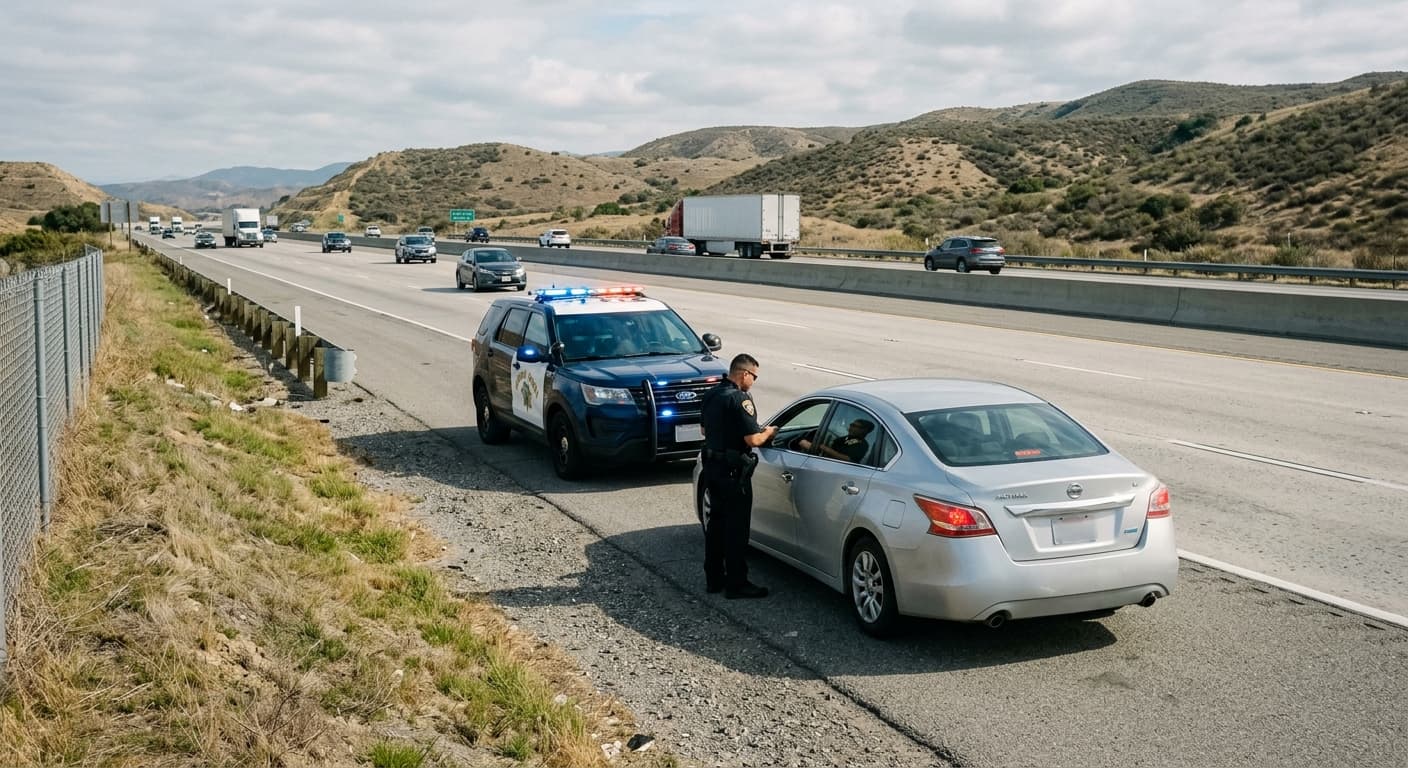
Australia has no Miranda warning: there is no single national script police must read on arrest, no automatic rule excluding evidence gathered without one, and the rights that do exist, most importantly the right to silence and a limited right to contact a lawyer, work differently and vary from state to state.
Australia Has No Miranda Warning
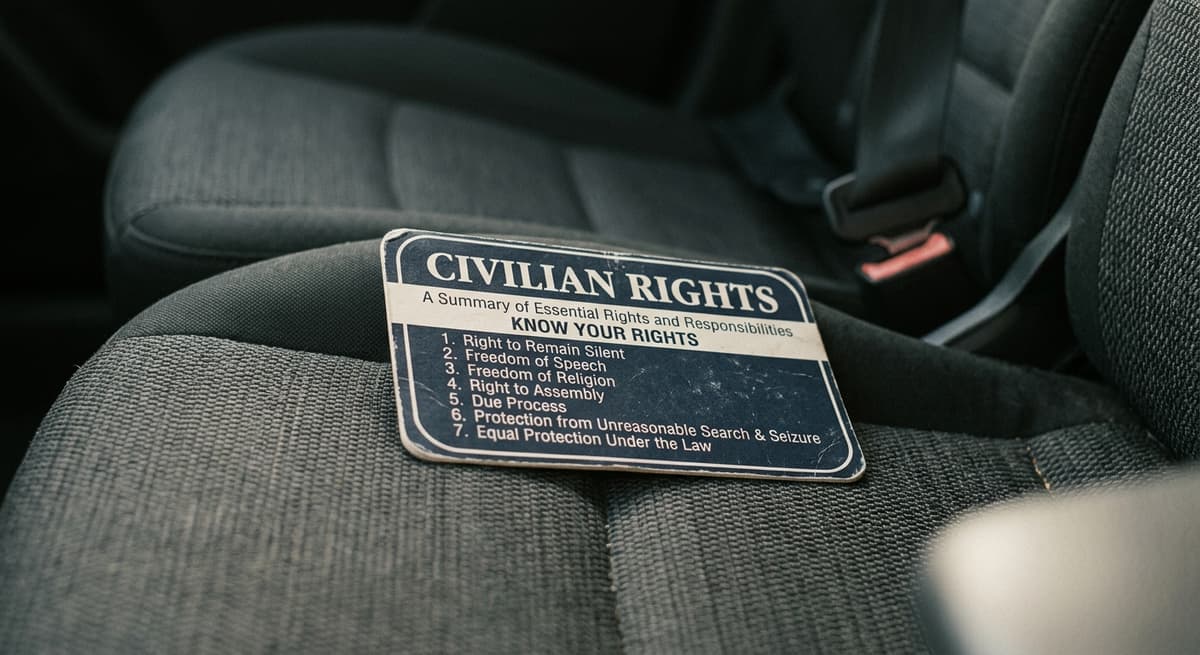
There is no Australian equivalent of the US Miranda warning: no single script police must read on arrest, and no automatic rule that throws out evidence just because a caution was not given properly. What exists instead is a right to silence, a caution with different wording to the US version, a state-specific special caution in New South Wales, a right to attempt to contact a lawyer that varies from state to state, and a discretionary test for excluding improperly obtained evidence rather than an automatic bar. Each of those works differently to its US counterpart, and in some cases differently again from one Australian state to the next.
The Right to Silence, and the Caution Police Actually Give
The line most people know from television, "you have the right to remain silent, anything you say can and will be used against you," is the US Miranda formula. It is not what Australian police say. Under the Commonwealth's Evidence Act 1995, section 139(1)(c), a person being questioned in custody must be cautioned that they do not have to say or do anything, but that anything they do say or do may be used in evidence. The wording gap matters: the Australian caution says a statement "may be used in evidence," not "used against you." In the jurisdictions that use this uniform Evidence Act framework, the caution is not really a free-standing right so much as a precondition. If police question someone in custody without giving it, the resulting statement is treated as improperly obtained, which feeds into the discretionary exclusion test covered below, rather than being automatically thrown out.

New South Wales' Special Caution: Section 89A
New South Wales has a mechanism most other states do not. Under section 89A of the Evidence Act 1995 (NSW), for offences carrying a maximum penalty of life imprisonment or 5 or more years, a court can draw an unfavourable inference against a defendant who relies at trial on a fact that was not mentioned during questioning, if the defendant could reasonably have been expected to mention it at the time. Two conditions apply before that inference is available: police must have given a special caution, on top of the standard one, and the defendant must have been provided with legal assistance in relation to that caution. Defendants under 18 are excluded from the section entirely.
This detail comes from the NSW Judicial Commission's official Criminal Trial Courts Bench Book rather than the raw statute text, since the primary NSW legislation portal could not be accessed during research for this page. The bench book's own wording, "legal assistance in respect of the caution," does not spell out whether that requires a lawyer physically present or can be satisfied by phone advice, so this page does not state a stronger version of that condition than the source supports. As far as this research could confirm, section 89A is a New South Wales-specific mechanism; other states were not checked for an equivalent provision.
The Right to a Lawyer in Custody Is Not the Same in Every State
This is the point most likely to catch someone out who assumes US-style parity. It genuinely varies by state, and only two states' laws were independently verified for this page.
In Queensland, under sections 418 and 419 of the Police Powers and Responsibilities Act 2000, before questioning someone in custody for an indictable offence, police must tell them they may phone a lawyer, and must arrange, or attempt to arrange, for that lawyer to be present during the questioning. Police must delay questioning for a reasonable time, and the Act gives a specific guideline: a delay of more than 2 hours may be unreasonable. Section 419(4) carves Aboriginal, Torres Strait Islander and child suspects out of this particular section, since they receive separate, generally stronger, protections under sections 420 and 421 that are not covered on this page.
In Victoria, under section 464C of the Crimes Act 1958, the right is narrower on its face: only to communicate, or attempt to communicate, with a legal practitioner, with questioning deferred for a time that is reasonable in the circumstances. Victoria's text does not explicitly guarantee the lawyer's physical presence during questioning the way Queensland's does. A Queensland suspect has a stronger textual right than a Victorian one.
New South Wales has its own right-to-contact-a-lawyer provisions, in Part 9 Division 2 of the Law Enforcement (Powers and Responsibilities) Act 2002, but this page could not independently verify their exact wording, since the relevant legislation portals were inaccessible during research. Readers should not assume the Queensland or Victorian rules above apply the same way in New South Wales or in any other state not covered here.
Why There's No Automatic Exclusionary Rule
In the US, evidence obtained in violation of Miranda is presumptively excluded. Australia does not have that rule. Under section 138(1) of the uniform Evidence Act 1995, evidence obtained improperly or illegally is not to be admitted unless a court decides the desirability of admitting it outweighs the undesirability of how it was obtained, a discretionary balancing test a court can and does decide either way, not an automatic bar.
Not every state even uses that test. The uniform Evidence Act applies in the Commonwealth, New South Wales, Victoria, Tasmania, the ACT and the Northern Territory. Victoria joined the scheme through its Evidence Act 2008 and the Northern Territory through its Evidence (National Uniform Legislation) Act 2011, both after the Australian Law Reform Commission report that describes the scheme's spread. Queensland, South Australia and Western Australia have not adopted it; each relies on its own Evidence Act and the common law. That split comes from the Law Reform Commission's own summary rather than from independently reading each of those three states' Evidence Acts directly.
What This Means If You're Actually Being Questioned
This page is general legal information, for anyone curious how Australian law compares to what they have seen on US television as much as for someone who has actually been arrested. It is not a script for what to say to police, and the exact procedure that applies depends on which state or territory you are in and what you are being questioned about. The right to legal advice before questioning generally has to be actively invoked; the law does not require police to offer a lawyer unprompted the way the Miranda warning is read aloud in the United States.
Related Reading
For how these rules interact with recording a police interaction, see Australia's recording laws. For what a background check or a national police check can show, see the national police check in Australia and spent convictions in Australia. For a related police power that raises similar US-comparison questions, see police wanding powers in Australia.
Frequently Asked Questions
Does Australia have Miranda rights?
No. Australia has a right to silence and a caution police must give before questioning someone in custody, but the wording is different, there is no automatic rule excluding evidence gathered without one, and some of the specific protections vary from state to state.
What do Australian police say instead of 'you have the right to remain silent'?
Under the Commonwealth's uniform Evidence Act, the required caution tells a person they do not have to say or do anything, but that anything they do say or do may be used in evidence. It is a similar idea to the US Miranda warning, with different wording, and it does not include the US phrase 'used against you'.
Can I refuse to answer police questions in Australia?
Generally yes, there is a right to silence, though it can interact with New South Wales' section 89A special caution, which lets a court draw an inference in some serious cases against a defendant who stays silent on a fact during questioning and only raises it later at trial.
What is section 89A in New South Wales?
It is a provision of the Evidence Act 1995 (NSW) that lets a court draw an unfavourable inference against a defendant, for offences carrying 5 or more years' imprisonment or life, if they did not mention a fact during questioning that they later rely on at trial, provided a special caution was given and they had legal assistance in relation to it.
Can I call a lawyer if I'm arrested in Australia?
It depends on the state. Queensland's law requires police to try to arrange for a lawyer to be present during questioning. Victoria's law only requires police to let the person attempt to contact a lawyer and to defer questioning for a reasonable time. Other states were not independently verified for this page.
Can evidence be thrown out if police don't caution me?
It can be, but it is not automatic the way it is in the US. Under section 138 of the uniform Evidence Act, a court weighs the desirability of admitting improperly obtained evidence against the undesirability of how it was obtained, and can decide either way. Queensland, South Australia and Western Australia do not even use that specific test; they rely on their own Evidence Acts and the common law instead.
Updates
Independently fact-checked against the cited primary sources
Sources and References
- Evidence Act 1995 (Cth), sections 138 and 139, exclusion discretion and caution requirements(legislation.gov.au).gov
- NSW Judicial Commission, Criminal Trial Courts Bench Book, Evidence of silence(judcom.nsw.gov.au).gov
- Police Powers and Responsibilities Act 2000 (Qld), consolidated PDF(legislation.qld.gov.au).gov
- Crimes Act 1958 (Vic), section 464C, authorised PDF(content.legislation.vic.gov.au).gov
- Australian Law Reform Commission, Uniform Evidence Law, ALRC Report 102(alrc.gov.au).gov
- Evidence Act 2008 (Vic), current consolidation(legislation.vic.gov.au).gov
- Evidence (National Uniform Legislation) Act 2011 (NT), as in force(legislation.nt.gov.au).gov