Arizona Child Support Laws: Guidelines and Calculations

Quick Summary: Arizona Child Support at a Glance
| Category | Details |
|---|---|
| Calculation Method | Income Shares Model |
| Governing Law | ARS 25-320 and Arizona Child Support Guidelines |
| Current Guidelines | Effective January 1, 2022 (next review: 2026) |
| Age of Termination | 18 (or up to 19 if still in high school) |
| Enforcement Agency | Division of Child Support Services (DCSS) within DES |
| Interest on Arrears | 10% simple interest per year (ARS 25-510) |
| Criminal Penalty | Class 6 felony for willful non-payment (ARS 25-511) |
Arizona child support law exists to make sure children receive financial support from both parents, regardless of the parents' living situation. The Division of Child Support Services (DCSS) within the Arizona Department of Economic Security (DES) administers and enforces child support orders throughout the state.
This guide covers how Arizona calculates child support, how to request modifications, what enforcement tools the state uses, and when support obligations end.
How Is Child Support Calculated in Arizona?
Arizona uses the Income Shares Model to calculate child support. This model was developed by the Child Support Guidelines Project of the National Center for State Courts. It estimates the total amount parents would have spent on their children if the family stayed together, then splits that amount between the parents based on each parent's share of their combined income.
The Arizona Supreme Court adopts the child support guidelines through Administrative Orders. Both state and federal law require the state to review these guidelines every four years. The current guidelines took effect on January 1, 2022, and the next quadrennial review began in 2026.
Factors Used in the Calculation
The following factors determine how much child support a parent will owe:
- Both parents' gross incomes from all sources
- The number of children covered by the order
- Parenting time (the number of days each parent has with the child)
- Cost of health insurance for the children
- Childcare costs (such as daycare or after-school care)
- Extraordinary expenses (special needs, education costs)
- An older child adjustment that adds 10% to the basic support obligation for children over age 12
The Arizona Courts website provides an official child support calculator to help parents estimate their obligations.
What Counts as Gross Income?
Under the Arizona Child Support Guidelines, "gross income" includes income from any source. Examples include:
- Wages, salaries, and commissions
- Self-employment income
- Bonuses and overtime pay
- Severance pay
- Pensions and retirement benefits
- Social Security benefits
- Unemployment and workers' compensation benefits
- Spousal maintenance (alimony) received
- Interest, dividends, and rental income
- Trust income
Certain deductions are subtracted from gross income to arrive at "adjusted gross income." These include spousal maintenance paid to a former spouse and support obligations for other children.
Step-by-Step Calculation Process
Here is how Arizona courts calculate child support:
- Determine each parent's adjusted gross income.
- Combine both incomes to find the total family income.
- Look up the Basic Child Support Obligation on the Schedule of Basic Support Obligations based on combined income and the number of children.
- Divide the obligation between parents based on each parent's percentage of combined income.
- Add each parent's share of health insurance and childcare costs.
- Adjust for parenting time if applicable.
Example: If combined adjusted gross income is $6,000 per month for two children, the Basic Child Support Obligation from the schedule is approximately $1,429. If Parent A earns 60% of the combined income, Parent A's share would be about $857 per month before adjustments.
Minimum Wage Presumption
Under ARS 25-320, the court presumes that a parent is capable of full-time employment at least at the applicable state or federal adult minimum wage, whichever is higher. This presumption does not apply to non-custodial parents who are under 18 and still attending high school.
If a parent is voluntarily unemployed or underemployed, the court may impute income based on what that parent could reasonably earn.
How to Apply for Child Support Services in Arizona
The Division of Child Support Services (DCSS) helps parents establish and enforce child support orders. DCSS services include:
- Locating non-custodial parents
- Establishing paternity
- Establishing, modifying, and enforcing child support orders
- Collecting and distributing child support payments
To open a case, submit Form CSE-0167A (Division of Child Support Services Request for Title IV-D Services) to DCSS. You can also contact DCSS by phone at (602) 252-4045 or toll-free at 1-800-882-4151.
Under ARS 23-722.01, Arizona employers must report new hires within 20 days. DES uses this information to locate parents and enforce child support obligations.
How to Modify Child Support in Arizona
Arizona law allows modifications to existing child support orders, but only under specific conditions. Under ARS 25-503, a parent must demonstrate "a substantial and continuing change in circumstances."
Valid Grounds for Modification
Examples of changes that may qualify include:
- Involuntary job loss or significant income reduction
- Disability that affects earning capacity
- Significant increase in either parent's income
- Changes to health insurance costs or availability
- Change in parenting time arrangements
- Change in the children's needs (such as developing a medical condition)
- Addition of a new child to either parent's household
Title IV-D Cases: Three-Year Review
In Title IV-D cases (cases managed by DCSS), either party may request a review and adjustment every three years without showing a change in circumstances. If a party requests a review sooner than three years, they must demonstrate a substantial and continuing change.
How to File for a Modification
To request a modification through DCSS, complete and submit Form CSE-1178A (Child Support Modification Packet). You can also file a motion to modify directly with the court.
Key rules about modifications:
- Modifications take effect on the first day of the month following notice of the petition, unless the court orders a different date.
- The effective date cannot be earlier than the date the petition was filed.
- Modifications never apply retroactively to amounts already owed.
- Remarriage alone is generally not sufficient grounds for modification.
If your circumstances change, file for modification as soon as possible. Waiting only increases the amount you owe under the existing order.

Arizona Child Support Enforcement
Arizona takes child support enforcement seriously. The Division of Child Support Services uses a wide range of tools to collect unpaid support from parents who fall behind.
Administrative Enforcement Actions
DCSS can pursue the following remedies without going to court:
- Income withholding: Automatic deduction from wages, unemployment benefits, retirement accounts, and other income sources. Employers who receive an Income Withholding Order must comply.
- Tax refund interception: Both state and federal tax refunds can be seized to pay child support arrears.
- Lottery interception: Any lottery winnings above $600 are subject to seizure.
- Bank account levies: Funds can be seized from bank accounts when arrears exceed 12 months.
- Credit bureau reporting: Delinquent child support is reported to credit agencies under ARS 25-512, affecting the parent's credit score and ability to obtain loans.
- Property liens: Under ARS 25-516, liens can be placed on vehicles, real estate, and other property.
- Passport denial: The federal government may deny or revoke passports for parents owing $2,500 or more in arrears.
License Suspension
Under ARS 25-517, if an obligor is at least six months behind on child support, DCSS may issue a notice that the obligor's professional or occupational license may be suspended. The obligor has 15 days to request a written administrative review.
Under ARS 25-518, the court may also order suspension of driver's licenses and recreational licenses. If the court finds the obligor has willfully failed to pay and continues to do so, it sends a certificate of noncompliance to the licensing agency.
To get a suspended license reinstated, the obligor must petition the court and demonstrate compliance with the support order or a court-ordered payment plan.
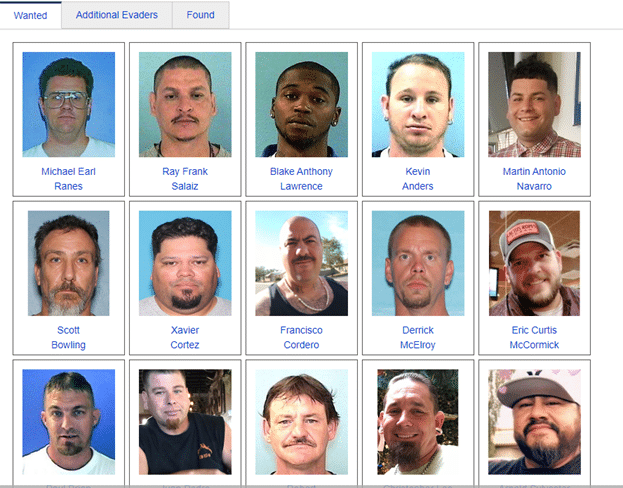
The "Most Wanted" List
Arizona uses public accountability as an enforcement tactic. The DES website maintains a "Most Wanted" list of parents who meet all of the following criteria:
- Owe more than $5,000 in child support
- Their location is unknown
- Have arrears of at least 12 months
- Have not made payments in the last six months
Parents involved in active bankruptcy proceedings or receiving welfare benefits will not be placed on this list.
Criminal Penalties for Non-Payment
Under ARS 25-511, any parent who knowingly fails to provide reasonable support for their minor child is guilty of a Class 6 felony. This is the most serious classification for child support non-payment in Arizona.
When determining whether a parent has failed to provide reasonable support, the court considers:
- All assets, earnings, and entitlements of the parent
- Whether the parent made all reasonable efforts to obtain the necessary funds
- Previous employment history
- Whether any physical or mental disability prevents employment
If the parent has a history of employment and no disability that prevents working, the court may presume the parent is capable of full-time employment at least at the federal adult minimum wage.
Penalties for a Class 6 felony in Arizona include:
- Up to 1.5 years in prison for a first offense
- Fines and restitution
- Probation with conditions, which may include mandatory employment
Beyond criminal charges, a parent who fails to pay may also be held in contempt of court, which carries separate penalties including fines and jail time.
Interest on Unpaid Support
Under ARS 25-510, unpaid child support accrues interest at 10% simple interest per year. Interest begins at the end of the month following the month the payment was due. Interest accrues only on the principal, not on previously accumulated interest.
This means falling behind on payments gets expensive quickly. A parent who owes $10,000 in arrears would accumulate an additional $1,000 in interest each year.
Retroactive Child Support in Arizona
Arizona allows retroactive (back) child support under certain circumstances. Under ARS 25-320, if no child support order exists and the court determines support is appropriate, it may apply the child support guidelines retroactively to the date the dissolution, legal separation, maintenance, or child support proceeding was filed.
Key rules about retroactive support:
- Retroactive support only applies when there is no existing child support order.
- The retroactive period cannot exceed three years before the filing date.
- Retroactive support is not automatic. The custodial parent must specifically request it.
- The court must determine the amount is appropriate based on the circumstances.
For non-custodial parents: while retroactive support can be ordered when no prior order exists, modifications to existing orders cannot be applied retroactively. If your financial circumstances change, file for modification immediately to limit future obligations.
When Does Child Support End in Arizona?
Child support in Arizona typically ends when the child turns 18. However, ARS 25-320 and ARS 25-501 provide several exceptions.
Support Continues Past 18 If:
- Still in high school: If the child reaches 18 while attending high school or a certified high school equivalency program, support continues until graduation or age 19, whichever comes first.
- Disability: If the child has a physical or mental disability that prevents self-support, the court may order support to continue indefinitely.
Support May End Before 18 If:
- The child gets married.
- The child joins the military.
- The child becomes legally emancipated.
- The child dies.
Emancipation Requirements (Age 16+)
Arizona minors age 16 or older may petition for emancipation. Requirements include:
- Financial self-sufficiency
- Proof of living independently for at least six months
- Demonstration that the home environment is unsafe, or notarized parental consent
Important: Support Does Not Stop Automatically
Your child support order will include a termination date, but you must file a petition to stop wage garnishment and officially terminate the order. If you continue to pay after the obligation ends, consult with an attorney about recovering overpayments.
Arizona does not require parents to pay for college expenses unless they voluntarily agreed to do so in a written agreement.

Health Insurance and Medical Support
Under ARS 25-320, every child support order must assign responsibility for providing health insurance for the child. The order must also assign responsibility for paying medical costs not covered by insurance.
The Arizona Child Support Guidelines account for health insurance premiums in the calculation. The parent who provides coverage receives a credit that reduces their share of the basic support obligation.
If neither parent has access to affordable health insurance through their employer, the court may order the parents to apply for the Arizona Health Care Cost Containment System (AHCCCS), the state's Medicaid program, on behalf of the child.
2026 Legislative Update: HB 2144
Arizona House Bill 2144, prefiled on January 7, 2026, proposes amendments to ARS 25-320 regarding child support for "preborn children." If enacted, the bill would:
- Allow courts to order child support for medical and pregnancy-related expenses before the child is born
- Limit such support to direct medical and pregnancy-related expenses of the mother
- Calculate support from the date of a positive pregnancy test confirmed by a licensed health care professional
- Exclude expenses related to elective abortion
This bill was still under consideration as of early 2026. Check the Arizona Legislature website for the latest status.
Additional Resources
Arizona Division of Child Support Services (DCSS)
- Website: des.az.gov/dcss
- Phone: (602) 252-4045 or 1-800-882-4151
Official Guidelines and Forms:
- Arizona Child Support Guidelines (AZ Courts)
- Child Support Calculator
- Modification Request Form (CSE-1178A)
- 2022 Arizona Child Support Guidelines (Full Document)
Key Statutes:
- ARS 25-320: Child Support; Factors; Methods of Payment
- ARS 25-501: Duties of Support
- ARS 25-503: Order for Support; Modification; Termination
- ARS 25-510: Arrearages; Interest
- ARS 25-511: Failure to Provide for Child; Classification
For personalized legal advice about your Arizona child support case, consult with a family law attorney.
More Arizona Laws
Sources and References
- ARS 25-320: Child Support; Factors; Methods of Payment(azleg.gov).gov
- ARS 25-501: Duties of Support; Exemption(azleg.gov).gov
- ARS 25-503: Order for Support; Modification; Termination(azleg.gov).gov
- ARS 25-510: Arrearages; Interest(azleg.gov).gov
- ARS 25-511: Failure to Provide for Child; Classification(azleg.gov).gov
- ARS 25-512: Consumer Credit Reports; Child Support(azleg.gov).gov
- ARS 25-516: Lien; Priority; Recording(azleg.gov).gov
- ARS 25-517: License Suspension; Notice(azleg.gov).gov
- ARS 25-518: Child Support Arrearage; License Suspension; Hearing(azleg.gov).gov
- ARS 23-722.01: New Hire Reporting(azleg.gov).gov
- Arizona Division of Child Support Services (DCSS)(des.az.gov).gov
- DCSS Modification Request Form (CSE-1178A)(des.az.gov).gov
- DCSS Title IV-D Application (CSE-0167A)(des.az.gov).gov
- Arizona Child Support Guidelines (AZ Courts)(azcourts.gov).gov
- Arizona Child Support Calculator(azcourts.gov).gov
- 2022 Arizona Child Support Guidelines (Full Document)(superiorcourt.maricopa.gov).gov
- HB 2144: Child Support; Preborn Children (2026)(azleg.gov).gov
- Arizona Health Care Cost Containment System (AHCCCS)(azahcccs.gov).gov