Hawaii Dog Bite Laws: Liability and Victim Rights

Understanding Hawaii Dog Bite Laws
Hawaii's dog bite laws create a framework that holds dog owners accountable when their animals injure someone. The primary statute governing animal owner liability is HRS 663-9, which eliminates the need for a victim to prove the owner knew the dog was dangerous.
In 2024, Hawaii significantly strengthened its dangerous dog laws through Act 224 (HB 2058), which created new criminal penalties for owners who fail to control dangerous dogs. These changes took effect in two phases during 2024 and 2025.
This guide covers everything you need to know about Hawaii's dog bite liability rules, owner responsibilities, victim rights, criminal penalties, and how to file a claim.
How Liability Works Under HRS 663-9
Many sources describe Hawaii as a "strict liability" state for dog bites, but that label is misleading. The Hawaii Court of Appeals clarified the law in Hubbell v. Iseke, 727 P.2d 1131 (Haw. App. 1986).
The court held that HRS 663-9 does not create true strict liability for dog bite injuries. Instead, it removes the scienter requirement from negligence claims. This means a victim does not need to prove the owner knew the dog was vicious or dangerous, but the victim still needs to show the owner acted unreasonably.
What the Statute Actually Says
HRS 663-9 contains two subsections with different liability standards:
| Subsection | Applies To | Liability Standard |
|---|---|---|
| 663-9(a) | Any animal owner or harborer | Liable for damages regardless of lack of knowledge about vicious propensities |
| 663-9(b) | Owners of animals known to be dangerous, wild, or vicious by species or nature | Absolutely liable for damages |
Under subsection (a), a dog bite victim can pursue a negligence claim without proving the owner had prior knowledge of the dog's dangerous tendencies. Under subsection (b), owners of animals known to be inherently dangerous face absolute liability.
What Victims Must Prove
To recover damages in a Hawaii dog bite case, the victim generally needs to establish:
- The defendant owned or harbored the dog
- The dog caused the victim's injuries
- The owner's conduct was unreasonable under the circumstances
- The victim was lawfully present where the bite occurred
The victim does not need to show that the owner knew the dog had bitten someone before or that the dog had a history of aggression.
Statutory Exceptions Under HRS 663-9.1
HRS 663-9.1 provides specific exceptions where a dog owner is not liable for civil damages.
Trespasser Exception
An owner or harborer is not liable if the injured person entered or remained on the premises unlawfully. A person "enters or remains unlawfully" when they are not licensed, invited, or otherwise privileged to be on the property.
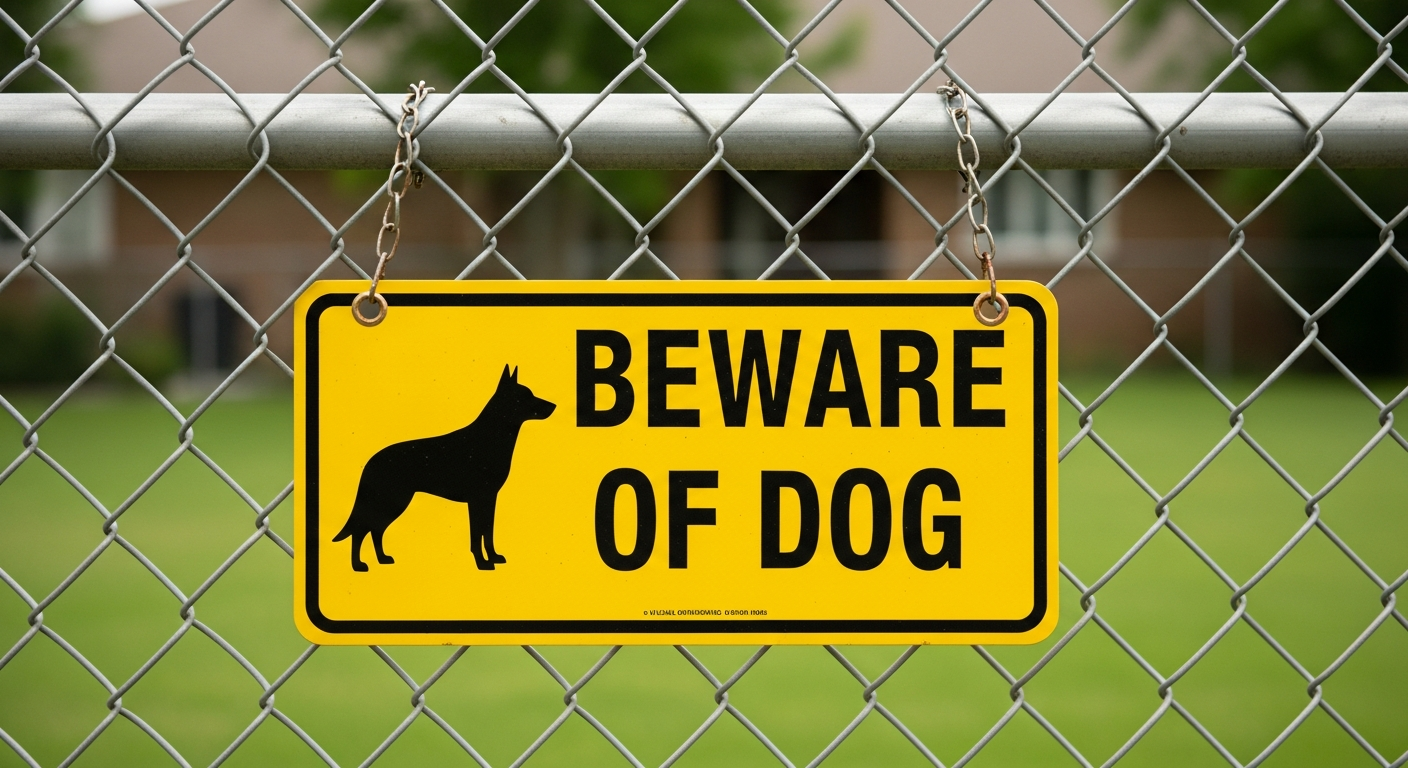
Posting warnings that are "reasonably adequate" to alert others about an animal on the premises can help establish that a visitor was not privileged to enter.
For unimproved and apparently unused land that is not fenced or enclosed, a person is considered to have a license to enter unless notice against trespass has been personally communicated or posted in a conspicuous manner.
Provocation Exception
An owner is not liable when the dog caused damage "as a proximate result of being teased, tormented, or otherwise abused" without the negligence, direction, or involvement of the owner or harborer.
The provocation must be sufficient to cause a normally calm dog to react. Minor or accidental contact with a dog typically does not qualify as provocation.
Justified Use Exception
No liability attaches when the use of an animal to cause damage was justified under HRS Chapter 703, Hawaii's general provisions on justification.
Dog Owner Responsibilities in Hawaii
Hawaii law imposes several duties on dog owners to protect the public.

Duty After a Bite (HRS 142-75)
Under HRS 142-75, the owner of any dog that has bitten a human being must take "such reasonable steps as are necessary to prevent the recurrence of such incident." This creates an ongoing legal duty once a bite has occurred.
County-Level Regulations
HRS 142-75 also authorizes each county to enact and enforce ordinances regulating dog owners whose dogs have bitten, injured, or maimed a person. Hawaii's four counties each have their own animal control ordinances:
- Honolulu (City and County): Chapter 12 of the Revised Ordinances of Honolulu governs dangerous dog complaints, enforced by the Honolulu Police Department
- Hawaii County (Big Island): Chapter 4 of the Hawaii County Code includes Division 3 on Dangerous Dogs
- Maui County: Title 6 of the Maui County Code addresses animal regulations
- Kauai County: Local ordinances regulate dangerous dogs and animal control
General Owner Obligations
- Leash laws: Most Hawaii counties require dogs to be leashed in public areas
- Confinement: Dogs must be securely confined on the owner's property
- Rabies vaccination: Required by Hawaii law for all dogs
- Licensing: Most jurisdictions require dogs to be licensed and registered
- Warning signs: Owners of known dangerous dogs may need to post visible warnings
Violating these requirements can strengthen a victim's negligence claim and may result in additional penalties.
Act 224: Hawaii's 2024 Dangerous Dog Law
In 2024, Governor Josh Green signed Act 224 (HB 2058) into law, significantly expanding criminal penalties for dangerous dog owners. The law was prompted in part by fatal dog attacks on Hawaii Island, including the death of Bob Northrop in Ocean View.

Definition of Dangerous Dog
Under Act 224, a "dangerous dog" is any dog that, without provocation, causes a bite injury to a person or another animal. A dog's breed cannot be considered in determining whether it is dangerous.
Criminal Penalty Tiers
Act 224 creates a tiered system of criminal penalties for negligent failure to control a dangerous dog:
| Offense Level | Trigger | Maximum Penalty |
|---|---|---|
| Misdemeanor | Dog causes bodily injury to a person or kills/maims another animal | Up to 1 year in jail and fines |
| Class C Felony | Dog causes substantial injury, serious bodily injury, or death to a person | Up to 5 years in prison |
Before Act 224, the maximum penalty for negligent dog control in Hawaii was a petty misdemeanor.
Dangerous Dog Owner Requirements
Provisions that took effect on July 1, 2025 establish:
- A legal process for declaring dogs "dangerous"
- Requirements for owners of designated dangerous dogs
- Parameters for rescinding a dangerous dog designation
- Authority for law enforcement to inspect homes of dangerous dog owners when there is probable cause of an imminent threat
Impoundment Rules
Law enforcement can seize and impound a dog if there is probable cause to consider it an imminent threat. If the owner does not claim the dog within five days, it may be considered abandoned. Animal control may choose to euthanize a dangerous or suffering dog impounded through this process.
Comparative Negligence in Hawaii
Hawaii follows a modified comparative negligence system under HRS 663-31. This rule directly affects dog bite claims.
If the victim was partially at fault for the incident, their damages award is reduced by their percentage of fault. However, if the victim's share of fault reaches 51% or more, they are barred from recovering any damages.

How Comparative Negligence Applies to Dog Bites
Examples of victim behavior that might reduce a damage award:
- Ignoring posted warning signs about a dog on the property
- Reaching through a fence to pet an unfamiliar dog
- Approaching a dog that was showing signs of agitation
- Failing to follow the owner's instructions about interacting with the dog
A jury determines the percentage of fault assigned to each party and adjusts the damages accordingly.
Victim Rights and Compensation
Dog bite victims in Hawaii may recover several categories of damages.
Economic Damages
- Medical expenses, including emergency care, surgery, and rehabilitation
- Future medical costs for ongoing treatment
- Lost wages and loss of earning capacity
- Property damage
Non-Economic Damages
- Pain and suffering
- Emotional distress and psychological trauma
- Scarring and disfigurement
- Loss of enjoyment of life
Hawaii does not impose a statutory cap on damages in dog bite cases. Both economic and non-economic damages are available without a preset limit.

Statute of Limitations
Under HRS 657-7, a dog bite victim must file a lawsuit within 2 years from the date of the injury. Missing this deadline almost always results in the court dismissing the case.
Key Details About the Filing Deadline
- The clock starts on the date of the bite
- The first day (date of injury) is excluded from the count, so filing on the second anniversary is timely
- Claims against government entities may have shorter notice requirements
Tolling for Minors and Persons with Disabilities
HRS 657-13 pauses (tolls) the statute of limitations for persons under a legal disability, including minors. A child injured by a dog bite may bring a claim after they turn 18, within the time limits specified by law.
Persons who are mentally incapacitated at the time of the injury also receive tolling protections under this statute.
Breed-Specific Legislation in Hawaii
Hawaii prohibits breed-specific bans at the state level. Under HRS 46-15.6, counties and cities cannot enact or enforce any law that deems a dog "dangerous or vicious" based solely on its breed.
This means no county in Hawaii can impose a complete ban on any breed, including pit bulls, Rottweilers, or German Shepherds.
Act 224 reinforces this principle by specifying that a dog's breed shall not be considered when determining whether it is dangerous.
Some counties do have additional requirements for certain breeds. Maui County, for example, requires pit bulls to be spayed or neutered and microchipped. These regulations fall short of an outright ban but impose extra responsibilities on owners of specific breeds.
Landlord Liability for Dog Bites
Landlords in Hawaii may face liability for injuries caused by a tenant's dog under certain circumstances. Because HRS 663-9 applies to both owners and "harborers" of animals, a landlord who allows a tenant to keep a known dangerous dog could potentially be considered a harborer.
A landlord may be liable when:
- The landlord knew or should have known the tenant's dog was dangerous
- The landlord had the ability to require removal of the dog
- The landlord failed to take reasonable action to protect others on the premises
Landlords should include clear pet policies in lease agreements and consider requiring tenants with dogs to carry renter's insurance with adequate liability coverage.
How to File a Dog Bite Claim in Hawaii
If you have been bitten by a dog in Hawaii, these steps can help protect your legal rights:
- Get medical treatment immediately. Keep all records of treatment, prescriptions, and follow-up care.
- Report the incident. File a report with your county's animal control agency and local police.
- Document the scene and injuries. Take photos of bite wounds, the location, and the dog if it is safe to do so.
- Collect the owner's information. Get the dog owner's name, address, phone number, and homeowner's or renter's insurance details.
- Identify witnesses. Record the names and contact information of anyone who saw the attack.
- Preserve physical evidence. Keep torn or bloodied clothing in a sealed bag.
- Track your expenses. Maintain a record of all medical bills, lost wages, and other costs.
- Consult a personal injury attorney. An attorney can evaluate your case and handle negotiations with the dog owner's insurance company.
Remember that the 2-year statute of limitations under HRS 657-7 begins on the date of the bite. Acting promptly gives you the strongest position.
Dangerous Dog Designation Process
Under Act 224 and county ordinances, a dog may be officially designated as "dangerous" if it has, without provocation:
- Bitten a person
- Killed or seriously injured another domestic animal
- Been previously identified as potentially dangerous and continued to exhibit threatening behavior
Requirements for Owners of Dangerous Dogs
Once a dog receives a dangerous designation, the owner must typically comply with:
- Maintaining liability insurance (often $100,000 or more, depending on the county)
- Keeping the dog in a secure, locked enclosure meeting specific size requirements
- Using a muzzle and leash when the dog is in public
- Having the dog under the control of a person 18 years or older when outdoors
- Microchipping the dog
- Posting visible warning signs on the property
Failure to comply with these requirements can result in criminal charges under Act 224.

More Hawaii Laws
Sources and References
- HRS 663-9: Liability of Animal Owners(capitol.hawaii.gov).gov
- HRS 663-9.1: Exception of Animal Owners to Civil Liability(law.justia.com)
- HRS 142-75: Human Bitten by Dog; Duty of Dog Owners(capitol.hawaii.gov).gov
- Act 224 (HB 2058): Relating to Dangerous Dogs (2024)(data.capitol.hawaii.gov).gov
- HRS 657-7: Damage to Persons or Property (Statute of Limitations)(capitol.hawaii.gov).gov
- HRS 663-31: Comparative Negligence(capitol.hawaii.gov).gov
- HRS 657-13: Tolling for Minors and Persons with Disabilities(capitol.hawaii.gov).gov
- Honolulu Police Department: Animal Nuisance and Dangerous Dog Complaints(honolulupd.org).gov
- Hawaii County Code Chapter 4: Animals(hawaiicounty.gov).gov
- Maui County Code Title 6: Animals(library.municode.com)