Alaska Lemon Law: Your Complete Legal Guide

Understanding Alaska's Lemon Law
Alaska's lemon law, found in Alaska Statutes § 45.45.300 through § 45.45.360, provides important consumer protections for buyers and lessees of new motor vehicles that fail to conform to the manufacturer's warranty. The law establishes clear standards for when a vehicle qualifies as a "lemon" and outlines the remedies available to affected consumers.
Alaska's lemon law is notable for giving consumers the choice between a replacement vehicle and a full refund, rather than leaving that decision to the manufacturer. This consumer-friendly approach ensures that buyers who are dissatisfied with a defective vehicle can obtain their preferred remedy.
The law applies to defects that substantially impair the use, market value, or safety of the vehicle. Minor issues or defects that do not significantly affect the vehicle's functionality typically do not qualify for lemon law protection. However, recurring problems that create safety concerns or prevent normal use of the vehicle are clearly covered.
What Vehicles Are Covered
Alaska's lemon law covers specific types of vehicles purchased or leased in the state. Understanding coverage requirements is essential before pursuing a claim.
Covered Vehicle Types
- New passenger vehicles: Cars, sedans, coupes, and similar automobiles
- Trucks: Pickup trucks and light-duty trucks
- Vans and SUVs: Sport utility vehicles and passenger vans
- Leased vehicles: New vehicles obtained through lease agreements
- Demonstrator vehicles: Demo vehicles sold as new with warranty
Vehicles Not Covered
- Used vehicles
- Motorcycles
- Motor homes (living portion)
- Off-road vehicles not designed for highway use
- Vehicles used primarily for commercial purposes
- Vehicles with a gross vehicle weight rating over 10,000 pounds
Alaska's Lemon Law Presumption
Under Alaska law, a rebuttable presumption exists that a reasonable number of repair attempts have been made if certain conditions are met. This presumption shifts the burden to the manufacturer to prove the vehicle does not qualify as a lemon.
The Lemon Law Presumption Applies When:
| Condition | Requirement | Details |
|---|---|---|
| Repair Attempts (Same Problem) | 3 or more attempts | Same nonconformity must substantially impair use, value, or safety |
| Days Out of Service | 30 or more business days | Vehicle unavailable due to repair of one or more nonconformities |
| Timeframe | Within warranty term or 1 year | Whichever comes first from date of original delivery |
Note: Alaska uses business days rather than calendar days for the out-of-service calculation, which can extend the actual time period before the presumption applies.
What Qualifies as a "Nonconformity"?
A nonconformity is any defect or condition that substantially impairs the use, market value, or safety of the motor vehicle. Examples include:
- Engine failures or persistent misfiring
- Transmission problems affecting drivability
- Brake system malfunctions
- Steering defects creating safety hazards
- Electrical failures affecting critical systems
- Heating system failures (particularly important in Alaska's climate)
- Defrost and defroster malfunctions
- Four-wheel drive system failures

Consumer Remedies: Refund vs. Replacement
When a vehicle qualifies as a lemon under Alaska law, the consumer has the right to choose between a replacement vehicle and a full refund.
Option 1: Replacement Vehicle
If the consumer chooses replacement, the manufacturer must provide:
- A comparable new motor vehicle of equal value
- All applicable express warranties
- Reimbursement for incidental costs
Option 2: Refund (Buyback)
If the consumer chooses a refund, the manufacturer must provide:
- Full purchase price: Including sales tax
- License and registration fees: All DMV costs
- Collateral charges: Dealer preparation fees and similar costs
- Finance charges: Interest and loan fees
- Incidental damages: Towing, rental car expenses, and related costs
Usage Deduction: The manufacturer may deduct a reasonable allowance for use based on miles driven before the first repair attempt. The formula used is:
Usage Deduction = (Purchase Price x Miles at First Repair) / 100,000
How to File a Lemon Law Claim in Alaska
Filing a successful lemon law claim in Alaska requires proper documentation and adherence to specific procedures.
Step 1: Document Everything
- Keep all repair orders and invoices
- Record dates your vehicle entered and left the shop
- Document the specific problems you experienced
- Save all correspondence with the dealer and manufacturer
- Photograph or video defects when safe to do so
- Keep records of rental car expenses and towing costs
Step 2: Allow Reasonable Repair Attempts
Give the manufacturer or its authorized dealer adequate opportunity to repair the vehicle. You need at least three attempts for the same problem or 30 business days out of service to invoke the presumption.
Step 3: Provide Written Notice to Manufacturer
Before seeking remedies, send written notice to the manufacturer that includes:
- Your name and contact information
- Vehicle information (year, make, model, VIN)
- Description of the nonconformity
- Repair history summary
- Your requested remedy (replacement or refund)
Step 4: Consider Arbitration
Some manufacturers have informal dispute settlement procedures. While Alaska does not require participation in these programs, they may provide faster resolution. The decision is not binding on the consumer if they choose to proceed to court.
Step 5: File a Lawsuit if Necessary
If the manufacturer fails to provide an adequate remedy, you may file a lawsuit in Alaska state court. Prevailing consumers may recover attorney fees and costs.
Manufacturer Defenses
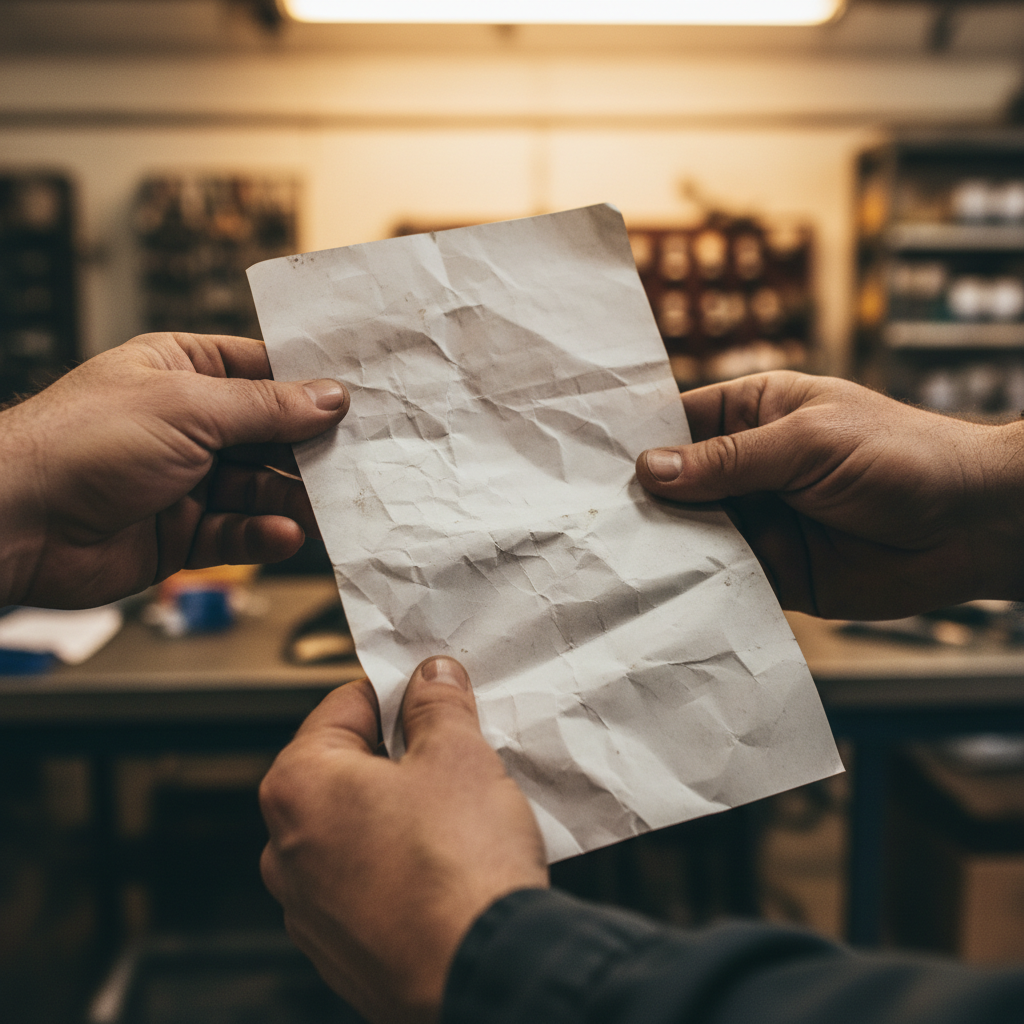
Manufacturers may raise several defenses to avoid lemon law liability in Alaska.
Common Manufacturer Defenses
| Defense | Manufacturer's Argument | Consumer's Counter |
|---|---|---|
| Consumer abuse or neglect | Defect caused by improper use or maintenance failure | Provide maintenance records and evidence of proper care |
| Unauthorized modifications | Aftermarket parts caused the problem | Show defect existed before modifications or is unrelated |
| Defect not substantial | Problem does not substantially impair use, value, or safety | Document impact on daily use and safety concerns |
| Insufficient repair opportunities | Manufacturer was not given adequate chance to repair | Provide complete repair history meeting presumption |
| Accident damage | Problem resulted from collision | Expert testimony showing defect is manufacturing related |
Used Vehicle Protections
Alaska's lemon law does not cover used vehicles. However, used car buyers have other potential protections:
Available Protections for Used Vehicles
- Remaining manufacturer warranty: Used vehicles still under warranty may have warranty claims
- Dealer warranties: Some dealers provide limited warranties on used vehicles
- Implied warranty of merchantability: Vehicles must be fit for ordinary use
- Federal Magnuson-Moss Warranty Act: Provides remedies for warranty breaches
- Alaska Unfair Trade Practices Act: Protects against dealer fraud and misrepresentation
Statute of Limitations
Alaska's lemon law has specific timeframes:
- Reporting period: Nonconformities must be reported within the warranty term or one year from delivery, whichever is earlier
- Repair period: The presumption conditions must be met within this same period
- Filing deadline: Claims should be pursued promptly after meeting the presumption requirements
More Alaska Laws
Sources and References
- Alaska Statutes Title 45, Chapter 45 (Lemon Law)(www.akleg.gov).gov
- Alaska Attorney General: Consumer Protection(law.alaska.gov).gov
- Alaska Division of Motor Vehicles(www.prior.dor.alaska.gov).gov