Ohio Child Support Laws: Guidelines and Calculations

How to Apply for Child Support in Ohio
The Ohio Department of Job and Family Services (ODJFS), through local Child Support Enforcement Agencies (CSEAs), provides services including support order establishment, parent location, paternity establishment, support enforcement, and termination services.
To apply for services:
-
Call 1-800-686-1556 Download the official Ohio child support app:
-
Schedule an appointment with your local CSEA office
What to remember:
- Ohio child support payments start on the date a court order is filed; the system does not allow retroactive collection
- You may represent yourself or hire a family law attorney
- Each county has its own CSEA office
Required Documents
When applying, gather:
- Photo ID and proof of residency
- Children's birth certificates
- Social Security cards for you and the children
- Last known whereabouts of your former partner
- Paternity test results (if available)
- Divorce records
- Income documentation
- Support history
- Property descriptions
- Health insurance information
Establishing Paternity in Ohio
Under Ohio child support guidelines, paternity can be established in three ways:
- Acknowledgment of Paternity Affidavit: Both parents sign a sworn statement
- Court Order: A judge determines paternity through legal proceedings
- Administrative Order of Paternity: A government agency conducts genetic testing and issues a paternity order
Benefits of establishing paternity:
- Fathers can pursue custody and visitation rights
- The child gains access to medical insurance, inheritance rights, veterans' benefits, and Social Security
- Fathers can claim the child as a dependent on tax returns
- The CSEA may pay for genetic testing and seek reimbursement from the father if the test is positive
How Is Child Support Calculated in Ohio?
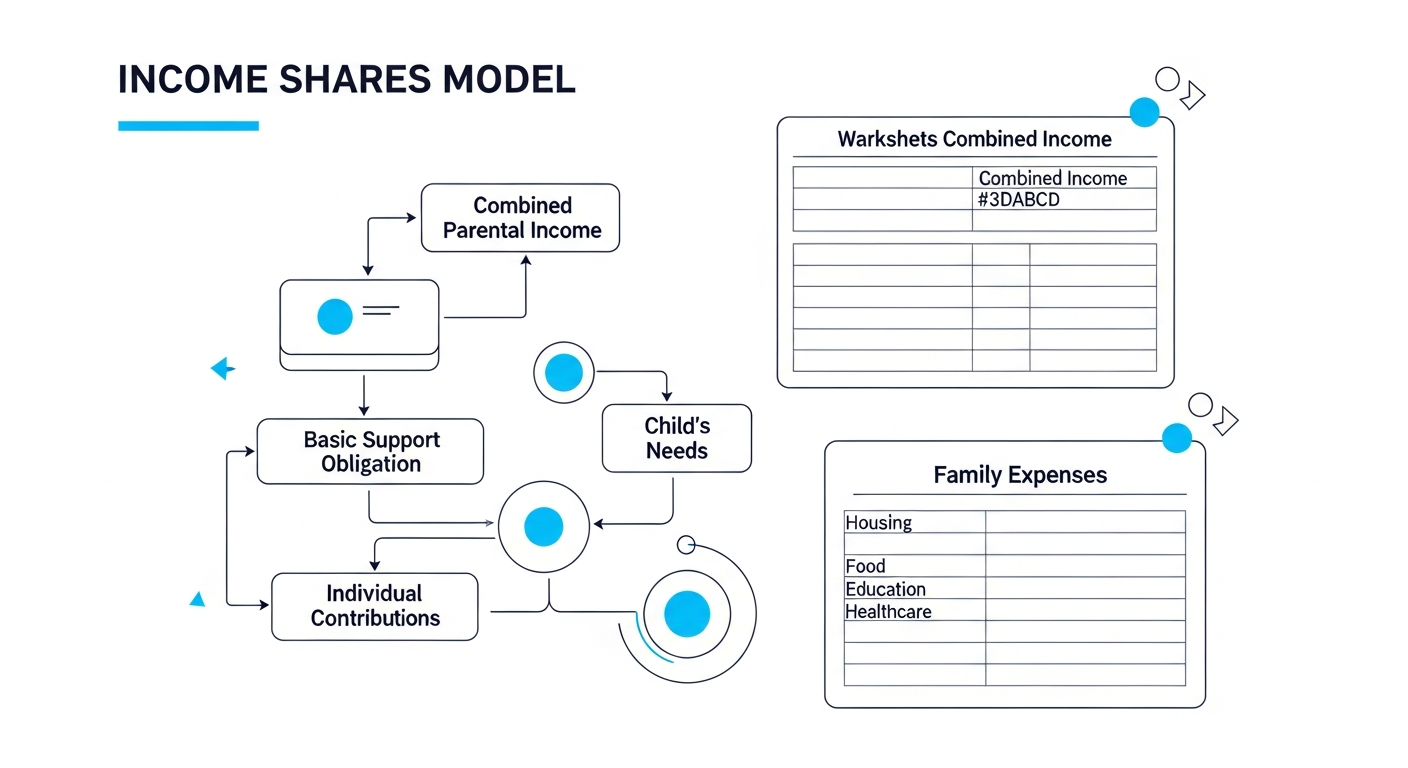
Ohio uses an income shares model under Ohio Revised Code Chapter 3119. The formula considers:
- Both parents' gross incomes
- Medical and dental insurance costs
- Child care expenses (including daycare)
- Parenting time
- Other factors specified in the guidelines
Parents can establish support through court proceedings or by agreement. Out-of-court agreements give the paying parent more control over the outcome, but the final agreement must serve the child's best interests.
Calculation Process
- Determine each parent's gross annual income
- Calculate the combined monthly gross income
- Use the Basic Child Support Schedule to find the base support amount
- Determine each parent's percentage of combined gross income
- Allocate the support obligation proportionally
- Adjust for health insurance, child care, and other factors
Calculation Tools:
 Note: If combined incomes exceed $336,000, contact your local CSEA or an attorney for guidance.

Ohio Child Support Worksheets
Ohio provides worksheets to help calculate support obligations:
- Sole/Shared Custody Worksheet: For most custody arrangements
- Split Custody Worksheet: For rare cases where each parent has custody of different children
- Guideline Manual (JFS 07766)
The higher-earning parent typically pays more, and accurate information is essential for proper calculation.
Recent Law Changes
Recent updates to Ohio child support law include:
- Low-Income Protection: Parents earning less than $14,000 per year have protections to ensure their support obligation does not exceed their income
- Parenting Time Credit: If parenting time exceeds 147 overnights annually, the court must reduce the support obligation or explain why reduction cannot occur
- Tax Deductions: The paying parent can deduct child support from yearly income
- Health Insurance: The receiving parent is directly responsible for the child's health insurance
- Automatic Reviews: The ODJFS reviews cases every 36 months

How to Modify Child Support in Ohio
Either parent can request modification when circumstances change. Under Ohio law, the CSEA reviews support orders every three years and may recommend changes.
Grounds for modification:
- Involuntary job loss for 30 or more consecutive days
- A 30% or greater change in income
- Mental or physical disability
- Incarceration with no assets or income
- Change in health insurance costs
- Active military duty
- Change in custody or parenting time
Ohio provides an Administrative Review and Adjustment Questionnaire to help determine if you qualify for modification.
To request modification:
- Complete Form JFS 01849 "Request for an Administrative Order Review"
- Contact the CSEA at 1-800-686-1556
What to remember:
- The court imputes income if a parent is voluntarily unemployed or underemployed
- The court may deviate from guidelines if the resulting amount is unjust or inappropriate
- Remarriage may impact support because household income needs change
- Parents representing themselves should review the Ohio Administrative Code Rules at codes.ohio.gov
What Happens If You Do Not Pay Child Support?
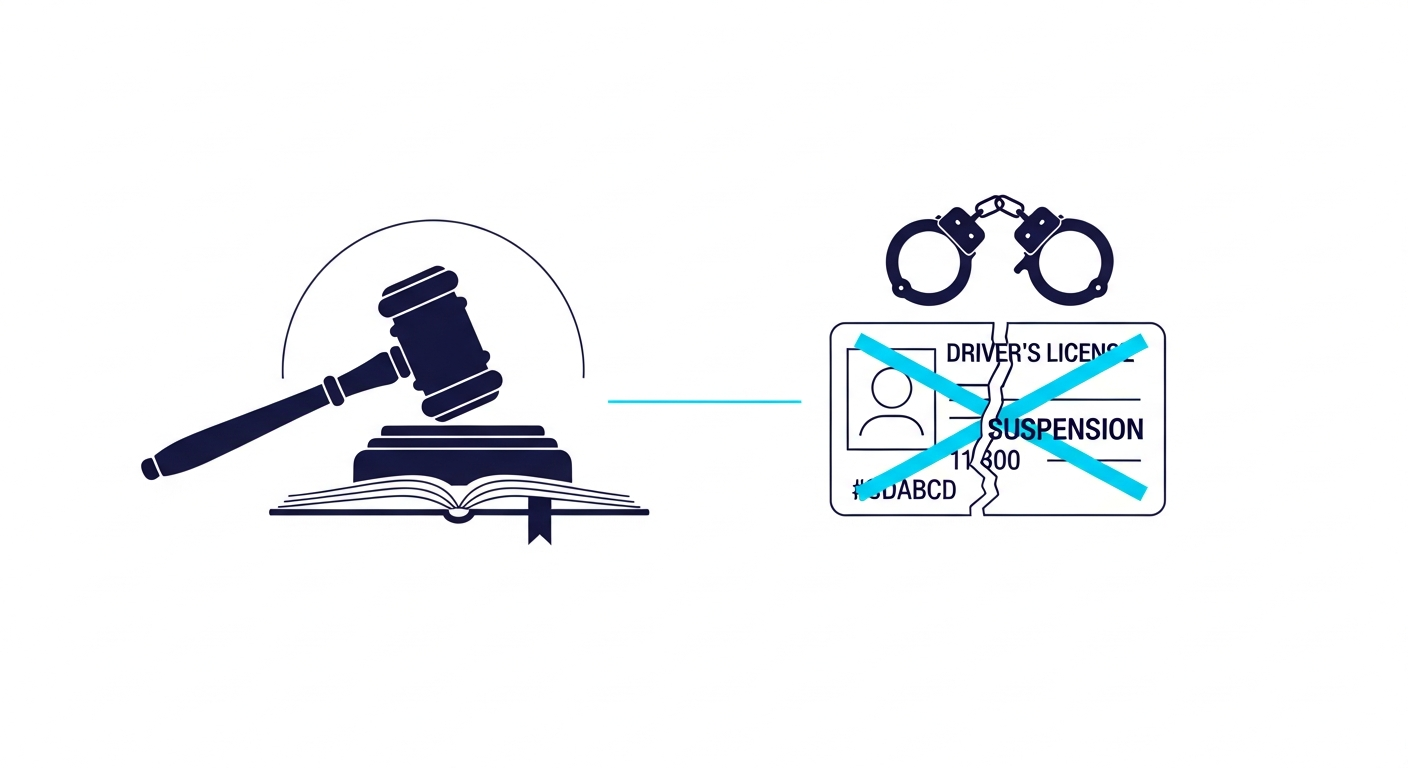 Under Ohio Revised Code Section 3121.01, failure to pay child support has serious consequences.
Enforcement Tools
- Bench Warrants: The court may issue warrants for the arrest of non-paying parents
- Income Withholding: Support is collected from wages, unemployment, veterans' disability, and other benefits
- License Suspension: Sporting, recreational, and occupational licenses may be suspended
- Passport Denial: If arrears exceed $2,500, passport applications may be denied
- Credit Bureau Reporting: Unpaid support is reported to credit agencies
- Tax Refund Garnishment: State, local, and federal tax refunds may be seized
- Property Liens: Liens may be placed on real estate and personal property
- Benefits Withholding: Various government benefits may be garnished
Contempt of Court
If a parent fails to pay, the receiving parent can petition the court for contempt. The judge may grant the accused time to explain, and depending on the outcome, may order jail time or community service.
Criminal Non-Support
Ohio punishes criminal non-support on two levels:
- Misdemeanor (first offense): Up to $1,000 fine and/or six months in jail
- Felony (fourth or fifth degree): For failure to pay for 26 or more consecutive weeks, or repeat offenders. Penalty: Up to $2,500 fine and/or five years in prison
When Does Child Support End in Ohio?
Under Ohio law, child support generally continues until the child turns 18. Exceptions include:
- If the child has not graduated high school by age 18, support continues until age 19 or graduation, whichever comes first
- If the support order requires college or university tuition, support continues per the agreement
- Support may continue indefinitely for children with disabilities
What to remember:
- The payor must notify the CSEA when termination is imminent; termination is not automatic
- Back support must be paid even after the order terminates
- Parents who overpay may receive a refund through the payee's state tax offset
Emancipation in Ohio
Ohio does not have a formal emancipation statute allowing minors to petition for emancipation. However, the court may appoint an attorney to represent a minor or allow them to file an emancipation petition in their name.
Emancipation grants the child the rights of an adult (such as signing contracts) without certain privileges (such as alcohol or tobacco use).
Consult with a family law attorney to determine if emancipation is possible in your situation.
More Ohio Laws
Sources and References
- Ohio State Legislature(state legislature).gov