Michigan Dog Bite Laws: Liability and Victim Rights
Overview of Michigan Dog Bite Laws
Michigan holds dog owners to one of the strongest liability standards in the country. Under the state's strict liability statute, a dog owner is responsible for injuries caused by a bite even if the dog has never shown aggression before. Michigan does not follow the "one free bite" rule that some states use.
The two primary statutes governing dog bite liability in Michigan are MCL 287.351 (the Dog Bite Statute) and Act 426 of 1988 (the Dangerous Animals Act, MCL 287.321 through 287.323). Together, these laws establish civil liability rules for dog owners and criminal penalties for owners of dangerous animals.
Michigan's Strict Liability Standard Under MCL 287.351
Michigan's dog bite statute, MCL 287.351, states that if a dog bites a person without provocation while the person is on public property or lawfully on private property (including the property of the dog's owner), the owner is liable for any damages the victim suffers. This applies regardless of the dog's history or the owner's knowledge of prior aggression.
To establish a claim under MCL 287.351, the victim must prove three elements:
- The defendant owned the dog.
- The dog bit the victim.
- The victim was lawfully present at the location where the bite occurred.
The victim does not need to show that the owner was careless or that the owner knew the dog was aggressive. This makes Michigan one of the most victim-friendly states for dog bite cases.
Strict Liability Applies Only to Bites
An important limitation of MCL 287.351 is that it covers only bite injuries. If a dog injures someone through other means, such as knocking them down, jumping on them, or causing a fall, the strict liability statute does not apply. In those situations, the victim must prove the owner was negligent or that the owner knew the animal was likely to cause harm.
The K-9 Exception
Michigan's strict liability rule does not apply to police or military dogs performing official duties. If a K-9 officer bites someone during the lawful execution of police work, the handler and government agency are generally shielded from strict liability claims.
Defenses Available to Dog Owners
Although Michigan imposes strict liability, the statute provides two key defenses that can eliminate or reduce an owner's responsibility.
Provocation
If the victim provoked the dog before the bite, the owner is not liable under MCL 287.351. Provocation includes teasing, tormenting, hitting, or otherwise antagonizing the dog in a way that would cause a normally calm animal to react. The provocation must be sufficient and direct. Accidentally startling a dog typically does not qualify.

Trespassing
Strict liability does not apply when the victim was trespassing at the time of the bite. A trespasser is someone who enters private property without permission and without a legal right to be there. Postal workers, delivery drivers, utility workers, and invited guests are all considered lawfully present.
Note that this defense may be limited when the trespasser is a young child who does not understand property boundaries.
Comparative Negligence and Dog Bite Claims
Michigan follows a modified comparative negligence system under MCL 600.2959. Under this rule, a plaintiff who is more than 50% at fault cannot recover non-economic damages.
However, courts have held that comparative negligence principles generally do not apply inside the strict liability dog bite statute. The statutory defenses of provocation and trespassing are the only recognized exceptions. If neither defense applies, the owner bears full liability for the bite. Comparative negligence may still be relevant in non-bite dog injury claims brought under a negligence theory.
Dog Owner Responsibilities Under Michigan Law
Michigan dog owners must follow several legal requirements designed to protect the public.
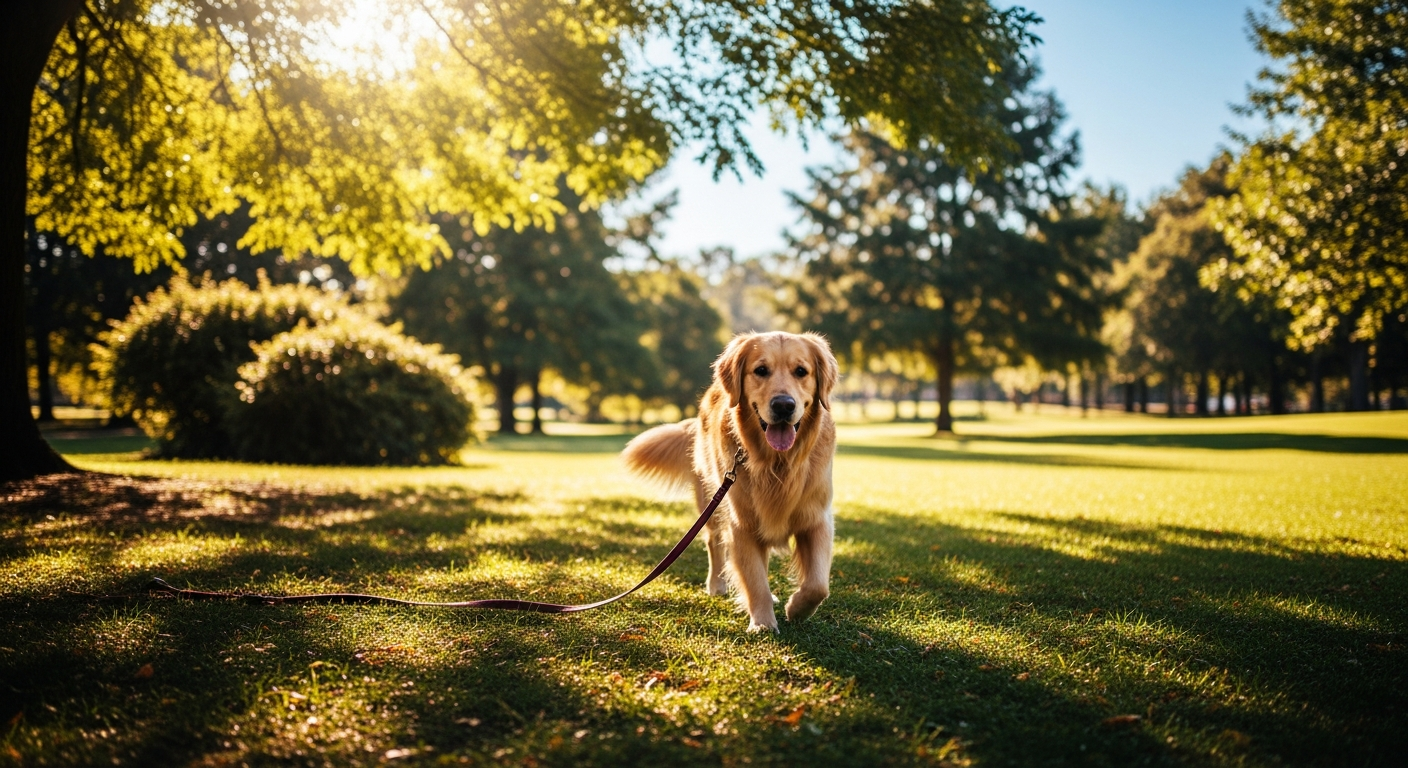
- Leash laws: Many Michigan cities and townships require dogs to be on a leash when off the owner's property. Leash requirements vary by municipality, so owners should check their local ordinances.
- Confinement: Dogs must be kept securely confined on the owner's property. Allowing a dog to roam freely can expose the owner to additional liability.
- Rabies vaccination: Michigan law requires dogs to receive rabies vaccinations. Failure to comply can result in fines and strengthen a victim's case.
- Licensing: Most Michigan jurisdictions require dog owners to register and license their dogs with the local clerk or animal control office.
- Dangerous dog requirements: Owners of dogs that have been designated as dangerous face additional obligations, including secure enclosures, muzzling in public, and liability insurance.
Violating any of these requirements can strengthen a victim's legal claim and may result in additional penalties.
The Dangerous Animals Act: MCL 287.321 Through 287.323
Michigan's Dangerous Animals Act (Act 426 of 1988) provides a framework for addressing dogs and other animals that have attacked people or other dogs.
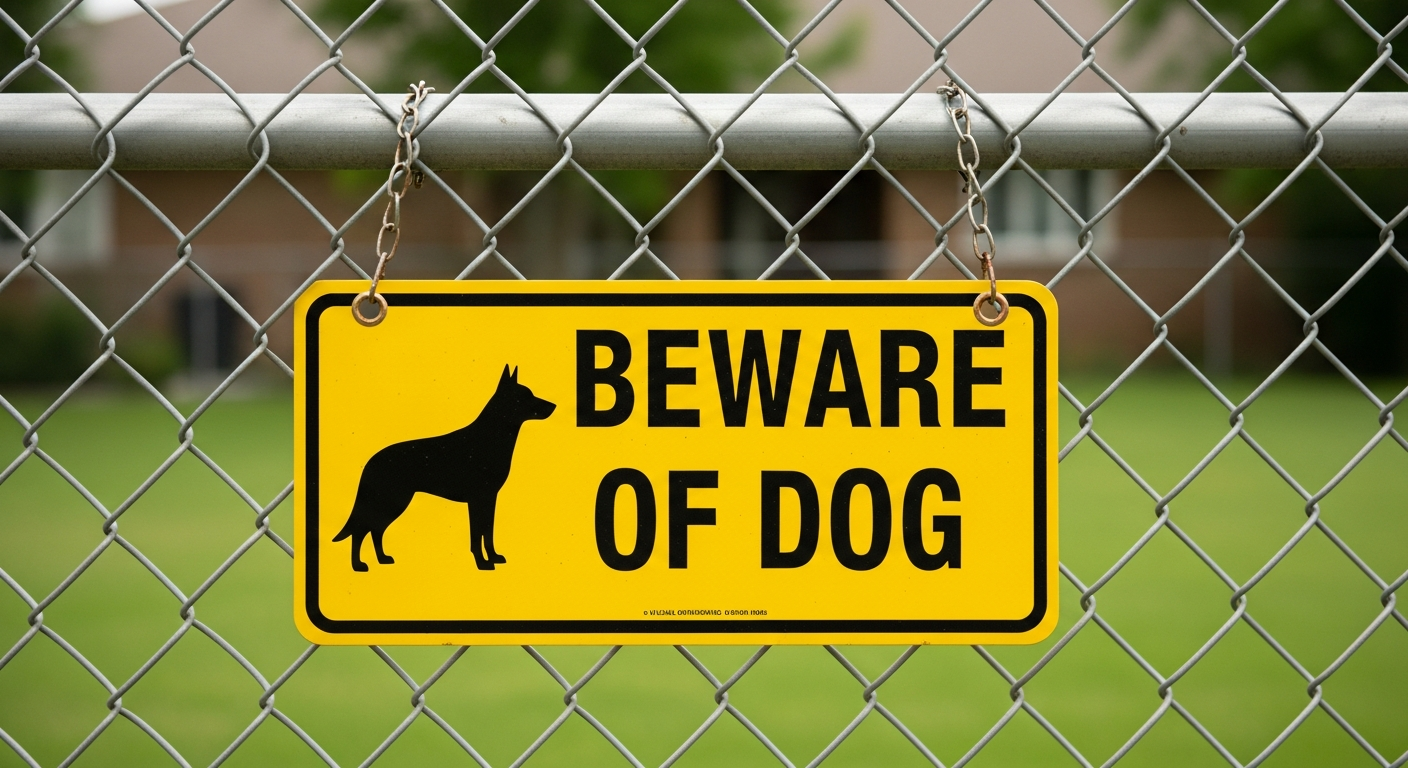
Definition of a Dangerous Animal
Under MCL 287.321, a "dangerous animal" is a dog or other animal that bites or attacks a person, or a dog that bites or attacks and causes serious injury or death to another dog while the other dog is on its owner's property or under its owner's control.
A dog is not considered dangerous if the person it bit was trespassing, provoked the animal, or if the dog was protecting a person engaged in lawful activity who was being assaulted.
Court Proceedings for Dangerous Animals
Under MCL 287.322, anyone can file a sworn complaint in district court alleging that an animal is dangerous and has caused serious injury or death. The court then issues a summons to the owner to appear and show cause why the animal should not be destroyed.
If the court determines the animal is dangerous, it can order the animal to be destroyed or impose conditions on the owner, including confinement and registration requirements.
Criminal Penalties Under the Dangerous Animals Act
The Dangerous Animals Act imposes significant criminal penalties on owners of animals that injure or kill people:
| Situation | Charge Level | Maximum Prison Sentence | Minimum Fine | Community Service |
|---|---|---|---|---|
| Dangerous animal causes non-serious injury (after prior adjudication) | Misdemeanor | 90 days | $250 to $500 | 240 hours minimum |
| Dangerous animal causes serious injury | Felony | 4 years | $2,000 | 500 hours minimum |
| Dangerous animal causes death | Involuntary manslaughter | Up to 15 years | Varies | Court discretion |
"Serious injury" under the act means permanent, serious disfigurement, serious impairment of health, or serious impairment of a bodily function.
Victim Rights and Recoverable Damages
Dog bite victims in Michigan can recover both economic and non-economic damages. Because Michigan uses strict liability for bite cases, victims do not need to prove the owner was at fault to collect compensation.

Economic Damages
Economic damages compensate victims for measurable financial losses:
- Emergency room visits, surgeries, and hospitalization costs
- Ongoing medical treatment and rehabilitation
- Prescription medications
- Lost wages and lost earning capacity
- Future medical expenses
- Property damage (such as damaged clothing or personal items)
Non-Economic Damages
Non-economic damages address the personal impact of the injury:
- Physical pain and suffering
- Emotional distress and psychological trauma
- Scarring and permanent disfigurement
- Loss of enjoyment of life
- Post-traumatic stress related to the attack
Michigan does not impose a cap on damages in dog bite cases. The amount a victim can recover depends on the severity of the injuries and the evidence presented.
Statute of Limitations for Dog Bite Claims
Under MCL 600.5805, Michigan's statute of limitations for personal injury claims is 3 years from the date of the injury. This deadline applies to dog bite lawsuits.
Key points about the filing deadline:
- The 3-year clock starts on the date of the bite.
- Minors may have extended deadlines. In Michigan, the statute of limitations is typically tolled (paused) until the minor turns 18, then the standard period begins.
- Claims against government entities (such as a city-owned dog or a government employee's dog) may require notice within a shorter timeframe, often 6 months.
- If a dog bite results in death, MCL 600.5805 provides 3 years for the wrongful death claim as well.
- Missing the deadline almost always bars the claim permanently.
Landlord Liability for Dog Bites in Michigan
Landlords are not considered "owners" of a tenant's dog under MCL 287.351, so strict liability does not automatically apply to them. Instead, landlord liability is governed by common law negligence principles.
A landlord may be held liable for a tenant's dog bite if all of the following conditions are met:
- The landlord knew the tenant's dog was dangerous (for example, the dog had previously attacked or threatened someone).
- The landlord had the authority to remove the dog or take corrective action.
- The landlord failed to act reasonably in response to the known danger.
- The bite occurred on or near the landlord's property.
The Michigan Court of Appeals addressed landlord liability in Szkodzinski v. Griffin, 171 Mich. App. 711 (1988), where a child was bitten by a tenant's dog. The court found that a landlord who knows about a dangerous dog on the property and fails to act can be held responsible.
Landlords should include pet policies in lease agreements and consider requiring tenants with dogs to carry renter's insurance that includes liability coverage.
Breed-Specific Legislation in Michigan
Michigan does not have a statewide ban on any particular dog breed, and the state has not enacted a preemption law that prevents local governments from passing breed-specific legislation (BSL).
As a result, individual cities and townships in Michigan are free to enact their own breed-specific rules. More than 30 Michigan communities have passed ordinances that regulate or restrict certain breeds, most commonly pit bulls and pit bull mixes. At least 14 of those communities have enacted outright bans on specific breeds.
Local breed-specific regulations may include:
- Mandatory spay or neuter requirements
- Mandatory muzzling in public
- Required liability insurance (often $100,000 or more)
- Secure enclosure requirements
- Breed-specific registration and microchipping
However, many Michigan communities have moved away from breed-based restrictions in favor of behavior-based dangerous dog ordinances. Dog owners should check their local municipal code for any breed-specific rules that may apply.
How to File a Dog Bite Claim in Michigan
If you are bitten by a dog in Michigan, take these steps to protect your legal rights:
- Get medical attention immediately. Even minor bites can cause infection. Keep all medical records and receipts.
- Report the bite to local animal control. Michigan animal control agencies investigate bites and can initiate dangerous animal proceedings.
- File a police report. A police report creates an official record of the incident.
- Document the scene and your injuries. Photograph bite wounds, torn clothing, the location, and the dog if possible.
- Identify the dog and its owner. Get the owner's name, address, phone number, and homeowner's or renter's insurance information.
- Collect witness information. Get names and contact details for anyone who saw the attack.
- Preserve physical evidence. Keep torn or bloodied clothing and any other evidence.
- Consult a personal injury attorney. A lawyer experienced in Michigan dog bite law can evaluate your claim, handle insurance negotiations, and file suit if needed.
Many personal injury attorneys handle dog bite cases on a contingency fee basis, meaning you pay legal fees only if you recover compensation.
More Michigan Laws
Sources and References
- MCL 287.351 - Dog Bite Strict Liability Statute(legislature.mi.gov).gov
- Act 426 of 1988 - Dangerous Animals Act(legislature.mi.gov).gov
- MCL 287.321 - Dangerous Animal Definitions(legislature.mi.gov).gov
- MCL 287.322 - Dangerous Animal Proceedings(legislature.mi.gov).gov
- MCL 600.5805 - Statute of Limitations for Personal Injury(legislature.mi.gov).gov
- MCL 600.2959 - Comparative Fault(legislature.mi.gov).gov