Arkansas Dog Bite Laws: Liability and Victim Rights

How Dog Bite Liability Works in Arkansas
Arkansas does not have a statewide civil statute that governs dog bite liability. Instead, victims must rely on common-law principles to hold dog owners responsible. The two primary legal theories are the one-bite rule (scienter) and ordinary negligence.
This means your path to compensation depends heavily on what the dog owner knew about the animal and what steps they took to prevent an attack.
The One-Bite Rule (Scienter)
Under Arkansas common law, a dog owner can be held liable if the victim proves the owner knew or had reason to know the dog had a propensity to bite, attack, or behave aggressively. This is sometimes called the "scienter" standard, from the Latin word meaning "knowingly."
To succeed under this theory, a victim must show:
- The dog had previously bitten someone or displayed aggressive behavior
- The owner was aware of this dangerous history
- The owner failed to take adequate precautions
- The failure to act caused the victim's injuries
A dog does not necessarily need to have bitten before. Lunging at people, growling threateningly, or escaping confinement repeatedly can all serve as evidence that the owner knew of a dangerous propensity.
Negligence as a Basis for Liability
Even without prior knowledge of dangerous behavior, a dog owner in Arkansas can be held liable through ordinary negligence. Under this theory, the victim must prove four elements:
- The owner owed a duty of care to the victim
- The owner breached that duty
- The breach was the direct cause of the injury
- The victim suffered actual damages
Common examples of negligence include allowing a dog to roam without a leash in violation of local ordinances, failing to secure a fence or gate, or leaving a known escape artist unsupervised.
Violating a local leash law or animal control ordinance counts as evidence of negligence in Arkansas courts.
Local Ordinances That Override the One-Bite Rule
While Arkansas follows the one-bite rule at the state level, some counties and cities have adopted strict liability ordinances that provide stronger protections for dog bite victims.
Benton County Strict Liability
Benton County enforces one of the most victim-friendly dog bite ordinances in the state. Under Benton County Code of Ordinances Section 10-2, the owner of any animal is liable for property damages and injuries caused by the animal while off the owner's property. This applies regardless of whether the owner knew about aggressive tendencies.
In Benton County, a victim does not need to prove the dog had a history of biting. The owner is automatically liable for injuries their dog causes off their own property.
Other Local Variations
Springdale and other Arkansas municipalities have enacted their own animal control ordinances. Some impose strict liability standards similar to Benton County, while others follow the state's one-bite approach. Always check the ordinances in the specific city or county where the bite occurred.
Criminal Penalties Under Arkansas Code 5-62-125
Arkansas does have one statewide statute that addresses dog attacks directly. Arkansas Code 5-62-125 creates the criminal offense of "unlawful dog attack."
A person commits this offense if:
- They own a dog they know or have reason to know has a propensity to attack or endanger others without provocation
- They negligently allow the dog to attack another person
- The attack causes serious physical injury or death

Penalties for Unlawful Dog Attack
Unlawful dog attack is classified as a Class A misdemeanor under Arkansas law. The penalties include:
| Penalty | Maximum |
|---|---|
| Jail time | Up to 1 year |
| Fine | Up to $2,500 |
| Restitution | Court may order payment of victim's medical bills |
Under Arkansas Code 5-4-205, the court or jury may also require the defendant to pay restitution for the victim's medical expenses resulting from the attack.
These criminal penalties exist alongside any civil liability. A dog owner can face both criminal prosecution and a civil lawsuit from the same incident.
Damages Dog Bite Victims Can Recover
Dog bite victims in Arkansas may pursue several categories of compensation through a civil lawsuit.

Economic Damages
These cover measurable financial losses:
- Emergency room visits, surgery, and hospitalization
- Ongoing medical treatment and rehabilitation
- Prescription medications
- Lost wages during recovery
- Reduced future earning capacity
- Property damage (clothing, personal items)
Non-Economic Damages
These compensate for subjective harm:
- Physical pain and suffering
- Emotional distress and anxiety
- Scarring and disfigurement
- Loss of enjoyment of life
- Post-traumatic stress, especially in children
How Comparative Fault Affects Your Claim
Arkansas uses a modified comparative fault system with a 50% bar. This means:
- If you are found less than 50% at fault for the incident, you can still recover damages, but your award is reduced by your percentage of fault
- If you are found 50% or more at fault, you are barred from recovering any compensation
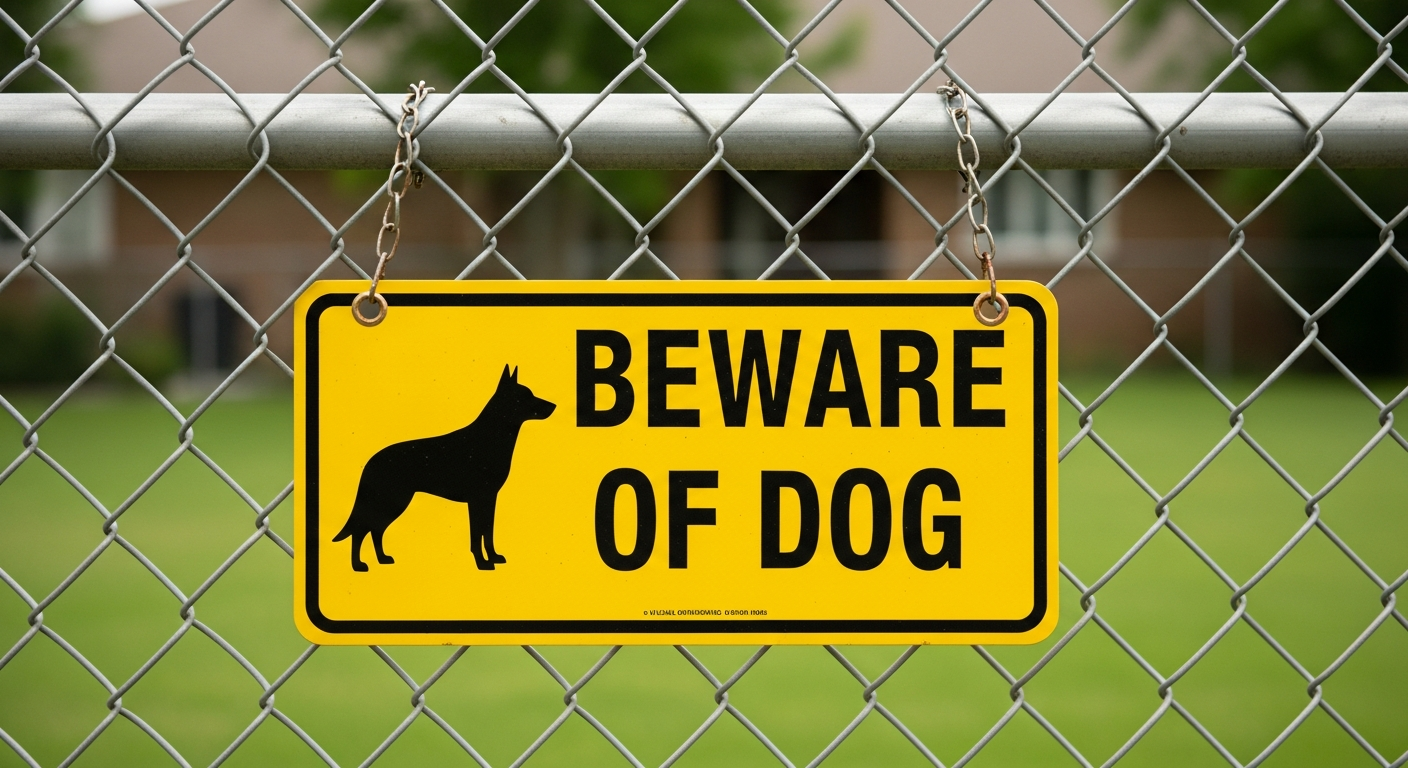
For example, if a jury awards $100,000 in damages but finds you were 20% at fault (perhaps you ignored a "Beware of Dog" sign), your recovery is reduced to $80,000.
Statute of Limitations
Under Arkansas Code 16-56-105, you have three years from the date of the dog bite to file a personal injury lawsuit.
Key details about the filing deadline:
- The clock starts on the date the bite occurs
- If the victim is a minor, the deadline is tolled (paused) until they turn 18, giving them until age 21 to file
- Arkansas recognizes a discovery rule: if the full extent of injuries was not immediately apparent, the deadline may start from the date you discovered or should have discovered the injury
- Claims against government entities (such as a dog owned by a city employee on duty) often have shorter notice requirements
Missing this deadline almost always results in the court dismissing your case, regardless of its merits.
Dog Owner Responsibilities
Arkansas dog owners must follow several legal requirements that vary by jurisdiction.
Rabies Vaccination
Under Arkansas Code 20-19-305, all dogs four months of age or older must be vaccinated against rabies by a licensed veterinarian. Dogs acquired or moved into the state must be vaccinated within 30 days of arrival.
Leash and Confinement Laws
Arkansas does not have a statewide leash law. However, most cities and counties have enacted their own leash ordinances. Common requirements include:
- Dogs must be on a leash when in public areas
- Dogs must be securely confined on the owner's property
- Owners of designated dangerous dogs must use a muzzle and leash in public
Licensing
Most Arkansas municipalities require dog owners to register and license their pets. Licensing requirements and fees vary by jurisdiction.
Legal Defenses Available to Dog Owners
Dog owners in Arkansas can raise several defenses to reduce or eliminate liability.
Provocation
If the victim provoked the dog through teasing, tormenting, hitting, or other aggressive behavior, the owner may avoid liability. The provocation must be severe enough that a normally calm dog would react aggressively.
Trespassing
Dog owners typically have reduced or no liability when a dog bites someone who is trespassing on the owner's property. However, this defense may not fully apply to children, who may not understand property boundaries.
Comparative Fault
As discussed above, if the victim shares blame for the incident, the owner can argue for a reduction in damages. If the victim is 50% or more at fault, the owner owes nothing.
Assumption of Risk
People who voluntarily accept the risk of working with dogs, such as veterinarians, groomers, or kennel workers, may have limited ability to recover damages if bitten while performing their professional duties.
Dangerous Dog Designations
Local animal control agencies in Arkansas may classify a dog as "dangerous" or "vicious" based on its behavior. A dog is typically designated dangerous if it has:
- Bitten a person without provocation
- Killed or seriously injured a domestic animal while off its owner's property
- Been previously designated as potentially dangerous and continues to exhibit threatening behavior
Owners of dogs classified as dangerous face additional requirements, which may include:
- Maintaining liability insurance of $100,000 or more
- Keeping the dog in a secure, escape-proof enclosure
- Using a muzzle and leash whenever the dog is in public
- Posting visible warning signs on the property
- Microchipping and registering the dog with animal control
Failure to comply with dangerous dog requirements can result in fines, seizure of the dog, or criminal charges.
Breed-Specific Legislation in Arkansas
Several Arkansas cities have enacted breed-specific legislation (BSL) that restricts or bans certain dog breeds.
Cities With Active Breed Bans
| City | Restricted Breeds | Key Requirements |
|---|---|---|
| North Little Rock | Pit bulls | Must be sterilized, vaccinated, confined; owner must be 21+; "Beware of Dog" sign required |
| Sherwood | Pit bulls | Ban upheld by city council in April 2025 |
| Maumelle | Pit bulls, American Bulldogs | Banned with limited exceptions (e.g., veterinary care) |
| Batesville | Pit bulls | Banned; exceptions only for dogs licensed before the ordinance |
Legislative Efforts to Preempt BSL
In 2023, HB 1519 sought to prohibit municipalities from enacting breed-specific regulations. The bill was defeated in the Arkansas House by a 34-45 vote. Advocacy groups have continued to push for similar legislation in subsequent sessions.
If you own a restricted breed, check the specific ordinances in your city before moving or traveling with your dog.
Landlord Liability for Dog Bites
Arkansas is one of the most landlord-friendly states regarding dog bite liability. Under Arkansas case law, including Bryant v. Putnam, 322 Ark. 284 (1995), landlords generally are not liable for injuries caused by a tenant's dog, even if the landlord knew the dog was dangerous.
Arkansas Code 18-16-110 limits landlord liability to situations where the landlord specifically agreed to maintain or repair the premises and failed to do so. Courts have not extended this to impose a duty on landlords to control tenants' animals.
Landlords can still protect themselves by:
- Including pet policies and breed restrictions in lease agreements
- Requiring tenants with dogs to carry renter's insurance with liability coverage
- Reserving the right to require removal of animals that pose a safety risk
Steps to Take After a Dog Bite in Arkansas
If you are bitten by a dog in Arkansas, taking these steps promptly protects both your health and your legal rights:
- Get medical treatment immediately. Dog bites carry risks of infection, nerve damage, and scarring. Keep all medical records and receipts.
- Report the bite to animal control. File a report with your local animal control agency and, if the injury is serious, with law enforcement.
- Document everything. Photograph your injuries, the location where the bite occurred, and the dog if you can do so safely.
- Collect the owner's information. Get the dog owner's name, address, phone number, and homeowner's or renter's insurance details.
- Find witnesses. Get contact information from anyone who saw the attack.
- Preserve evidence. Keep torn or bloodied clothing and any other physical evidence.
- Contact a personal injury attorney. An experienced lawyer can evaluate whether to pursue a claim under the one-bite rule, negligence, or a local strict liability ordinance.
More Arkansas Laws
Sources and References
- Arkansas Code 5-62-125 - Unlawful Dog Attack (2024)(law.justia.com)
- Arkansas Code 16-56-105 - Statute of Limitations (Three Years)(law.justia.com)
- Arkansas Code 20-19-305 - Rabies Vaccination Requirement(law.justia.com)
- Arkansas Code 18-16-110 - Landlord Liability Limitations(law.justia.com)
- Arkansas Code 5-4-205 - Restitution(law.justia.com)
- HB 1519 - Breed-Specific Legislation Preemption Bill (2023)(arkleg.state.ar.us).gov
- Arkansas Department of Health - Rabies Control Rules (2024)(healthy.arkansas.gov).gov
- North Little Rock - Banned Breeds Information(nlr.ar.gov).gov